
Squarebody Daily Use Guide for Real Trucks
Cold starts, bad cup holders, dim headlights, wandering steering - that’s where a real squarebody daily use guide starts. Not with trailer-queen talk, and not with some fantasy build that never sees rain. If you’re driving a 1973-1991 Chevy or GMC truck on actual roads, around town, to work, or out to the trail, the goal is simple: make the truck easier to live with without sanding all the character off it.
That means being honest about what these trucks do well and where they show their age. A Squarebody can absolutely handle daily duty, but it needs the right kind of attention. The best upgrades aren’t always the flashiest ones. Most of the time, they’re the parts and fixes that solve the stuff you deal with every single time you turn the key.
What daily-driving a Squarebody really asks for
A Squarebody doesn’t need to become a modern truck. It just needs to stop fighting you in the small ways. The trucks are simple, serviceable, and tough, which is exactly why so many owners keep using them. But the stock ergonomics, old wiring, weak lighting, vague steering, and limited storage can make regular use feel more old-fashioned than enjoyable.
The daily-driver sweet spot is different from a full restoration and different from a hard-core trail build. A truck that sees regular street miles needs reliability first, then comfort, then capability. If you get that order backward, you end up with a rig that looks right in photos but gets annoying fast.
Squarebody daily use guide: start with reliability
Before you spend money on stance, wheels, or cosmetic parts, handle the systems that strand people. Fuel delivery, ignition, charging, cooling, and brakes should all be sorted first. These trucks are old enough now that even a "pretty clean" one can hide brittle wiring, vacuum leaks, tired rubber lines, and connectors that have already had three questionable repairs.
If your truck still starts hard when warm, loads up with fuel, dies at stoplights, or runs hot in traffic, don’t ignore it because "that’s just old truck stuff." Usually it isn’t. Usually it’s a maintenance problem that got normalized. A dependable daily Squarebody should fire consistently, idle clean, charge properly, and hold temperature in summer traffic.
Brakes deserve the same mindset. A soft pedal, pull under braking, or long stopping distance is more than an annoyance in modern traffic. Daily use means sharing the road with drivers in vehicles that stop straighter and quicker than your truck did when it was new. Get the brake system healthy before you call the truck road-ready.
Fix the stuff you touch every day
This is where most owners either make the truck better or miss the whole point. Daily use is heavily shaped by little contact points - where you put your drink, where your phone ends up, how comfortable your arm rests, whether the stereo is usable, and whether the cab feels organized or like a moving toolbox explosion.
Squarebodies were built in a different era, and it shows inside. Factory storage is limited. Cup holders are either an afterthought or nonexistent. Speaker locations and audio options are dated. If you actually spend time in the truck, these aren’t luxury complaints. They’re quality-of-life issues that affect how often you want to drive it.
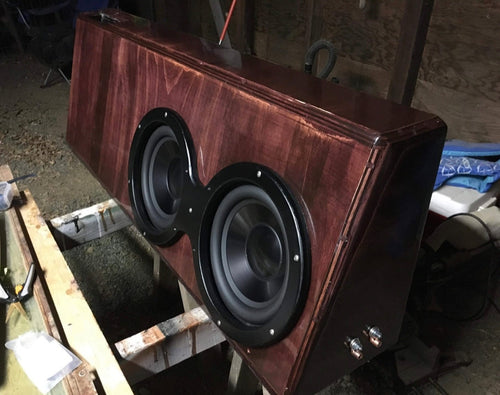
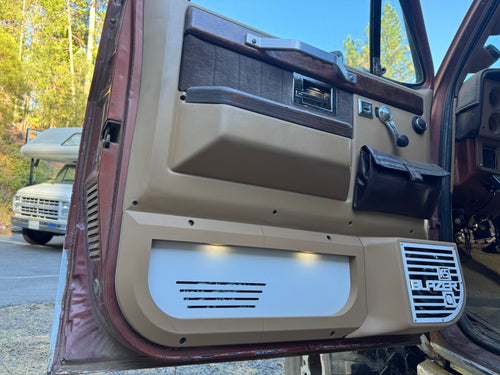
Platform-specific interior upgrades make a huge difference here because generic universal parts usually look wrong, fit wrong, or get in the way. A console setup that raises storage and gives you usable cup holders sounds simple, but on a daily-driven truck it changes the whole experience. Same deal with door speaker solutions that let you improve sound without making the interior feel hacked together.
That’s one area where a company like Blazin' Biddles Off-Road gets it right - solving Squarebody-specific problems instead of throwing one-size-fits-all parts at a truck that clearly isn’t one-size-fits-all.
Steering, suspension, and the daily-driver balance
A lot of Squarebodies have lived hard lives. Even trucks that look straight can have enough wear in the front end to make them tiring on the road. If the truck wanders, chases grooves, or needs constant correction, check the basics before blaming the design. Steering boxes, rag joints, tie rods, ball joints, bushings, alignment, wheel bearings, and worn springs all stack up.
For daily use, the right suspension setup depends on how honest you are about how the truck gets used. If it spends 90 percent of its time on pavement with the occasional dirt road, you want control and ride quality more than maximum articulation. If it sees regular trail time, then a little extra firmness or height may be worth it. It depends on tire size, weight, and how much highway driving you actually do.
This is where people overbuild. Huge lifts, aggressive mud tires, and ultra-stiff shocks look the part, but they can make a truck louder, less stable, and more annoying to drive every day. There’s nothing wrong with building for off-road use, but be realistic. A better daily Squarebody is usually the one with a well-sorted moderate setup, not the one with the most dramatic parts list.
Lighting matters more than people admit
Old sealed beams and tired wiring make nighttime driving a chore. You can get used to it, but that doesn’t mean it’s good. If you drive your truck at dawn, after work, in rain, or on back roads, improved lighting is one of the most practical upgrades you can make.
The trick is to do it cleanly. Better headlights, solid grounds, healthy connections, and properly aimed lights go a lot farther than just throwing brightness at the truck. Bad lighting upgrades can create glare, weird beam patterns, and a cheap look. Good ones make the truck safer without turning it into a rolling light bar commercial.
Auxiliary lighting can help too, especially if the truck sees rural roads or trail use, but for daily duty your headlight system should be the first priority. If the main lights are weak, adding more lights around them is just dodging the real issue.
Noise, heat, and the comfort side of the squarebody daily use guide
Comfort gets dismissed too often, usually by guys who only drive their truck for 20 minutes at a time. If you commute in a Squarebody, spend time in summer heat, or take longer trips, cab comfort matters. Road noise, exhaust drone, floor heat, cracked door seals, and worn-out bench foam wear on you more than most owners expect.
You don’t need to turn the truck into a luxury SUV. But sealing up drafts, reducing obvious heat soak, improving seating support, and making the interior more functional pays off every single drive. A truck that feels less chaotic inside gets used more. That’s just reality.
Even simple changes help. Better door seals keep out wind noise. A smarter center console layout cuts down on clutter. A usable audio setup makes road time better. None of that is glamorous, but all of it changes how the truck fits your actual life.
Tires and gearing can make or break the whole build
Few choices affect daily use as much as tires. Big, heavy tires can blunt acceleration, hurt braking, stress steering components, and make highway driving feel busier than it should. They also change how the truck rides and how the drivetrain feels, especially if the gearing no longer matches the setup.
That doesn’t mean stay stock. It means match the tire to the job. An all-terrain usually makes more sense for a daily-driven Squarebody than a loud, fast-wearing mud tire. If you want the aggressive look, understand the trade-off: more noise, more drag, and usually less road manners.
Gearing matters too. A truck with mismatched tire size and axle ratio can feel sluggish around town and wound out on the highway at the same time, which is a bad combo. If your Squarebody feels like it’s always working harder than it should, the answer may be in the overall setup, not just engine power.
Don’t ignore security and weather exposure
Daily use means parking lots, grocery runs, job sites, and bad weather. Old trucks get attention, and not all of it is the kind you want. Door locks, window seals, tailgate function, and basic security are worth checking. Water leaks and poor weather sealing turn into rust, mold, electrical gremlins, and ruined interiors faster than people think.
If the truck lives outside, this matters even more. A Squarebody can handle being used, but constant moisture intrusion will undo a lot of hard work. Keeping the cab dry is a lot cheaper than replacing what water damages over time.
Build for the way you actually drive
That’s really the backbone of any squarebody daily use guide. Be honest about the mission. If your truck is a commuter with occasional weekend trail use, build for that. If it hauls gear and sees back roads every week, build for that. If it’s mostly a town truck that needs to be comfortable, reliable, and easy to live with, there’s no prize for pretending it’s a desert race truck.
The best daily-driven Squarebodies are the ones that feel sorted. They start without drama, stop straight, track down the road without wandering, have enough light to drive at night, and have an interior that works for normal human life. That’s not boring. That’s what keeps an old truck in service instead of parked in the corner waiting for "someday."
Make the truck fit your use, not your ego. When a Squarebody is set up right, you stop making excuses for it and start reaching for the keys more often.
Shop the Part
A cup holder that actually holds a drink and a console that sits where you can use it are two of the easiest daily-use fixes:
Need The Parts For This Build?
We carry everything mentioned in this guide — picked and backed by real Squarebody owners.
0 Comments
Leave a Comment