Squarebody Stereo System Planning Guide for Trucks
Share
A Squarebody cab will tell on a bad stereo install fast. Thin old door panels rattle, decades-old wiring puts up a fight, and there is not much spare room once you keep the bench seat, factory-style interior, and the things that make these trucks cool. This Squarebody stereo system planning guide starts with the part that saves the most money and frustration: deciding what you want the system to do before buying a pile of gear.
A good system in a 1973-1991 Chevrolet or GMC truck does not need to be complicated. It needs to match the truck, the way you use it, and the amount of cutting you are willing to live with. A clean daily-driver setup, a loud show-truck build, and a trail rig with mud tires all need different answers.
Start With the Truck You Actually Have
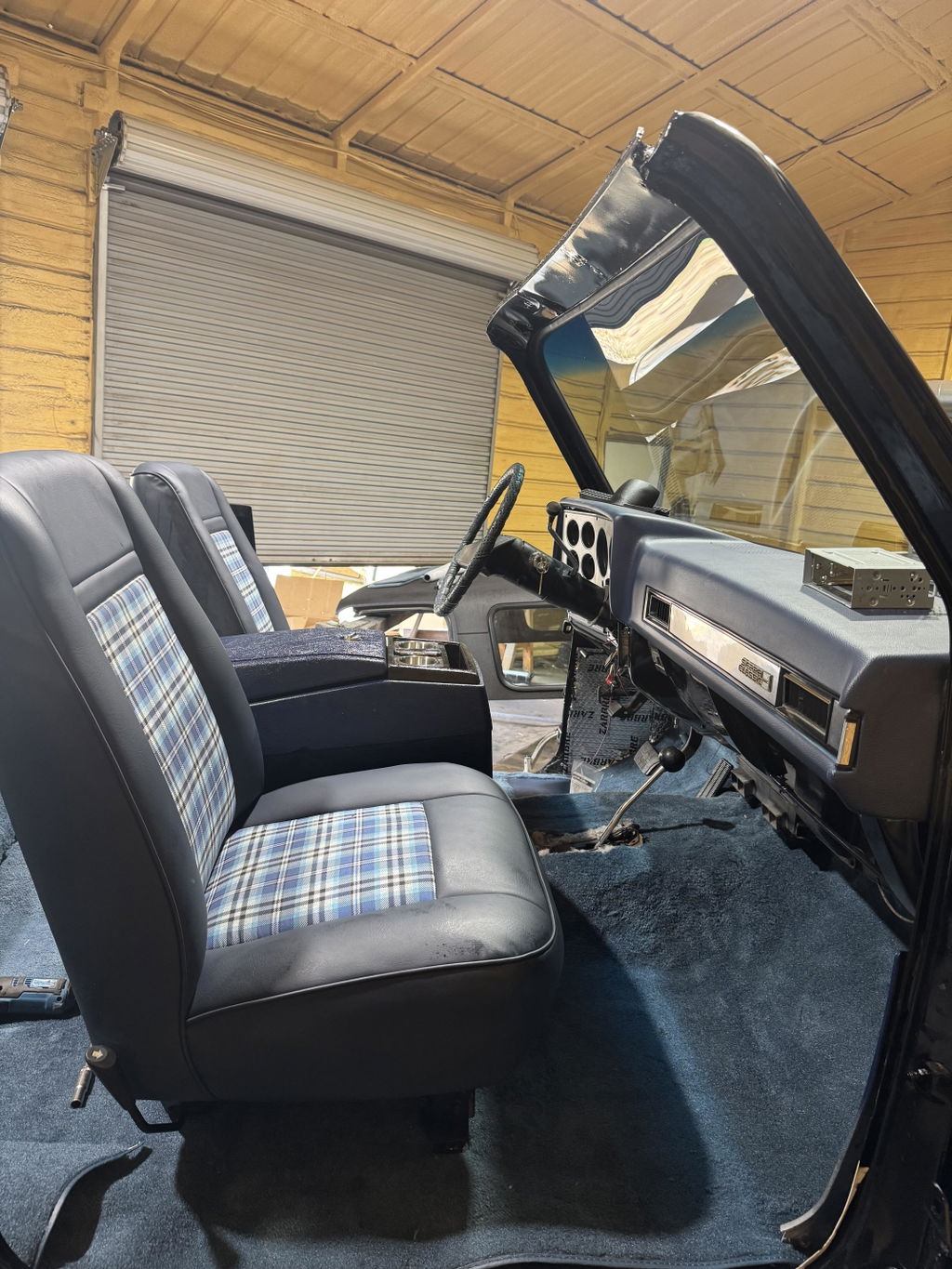
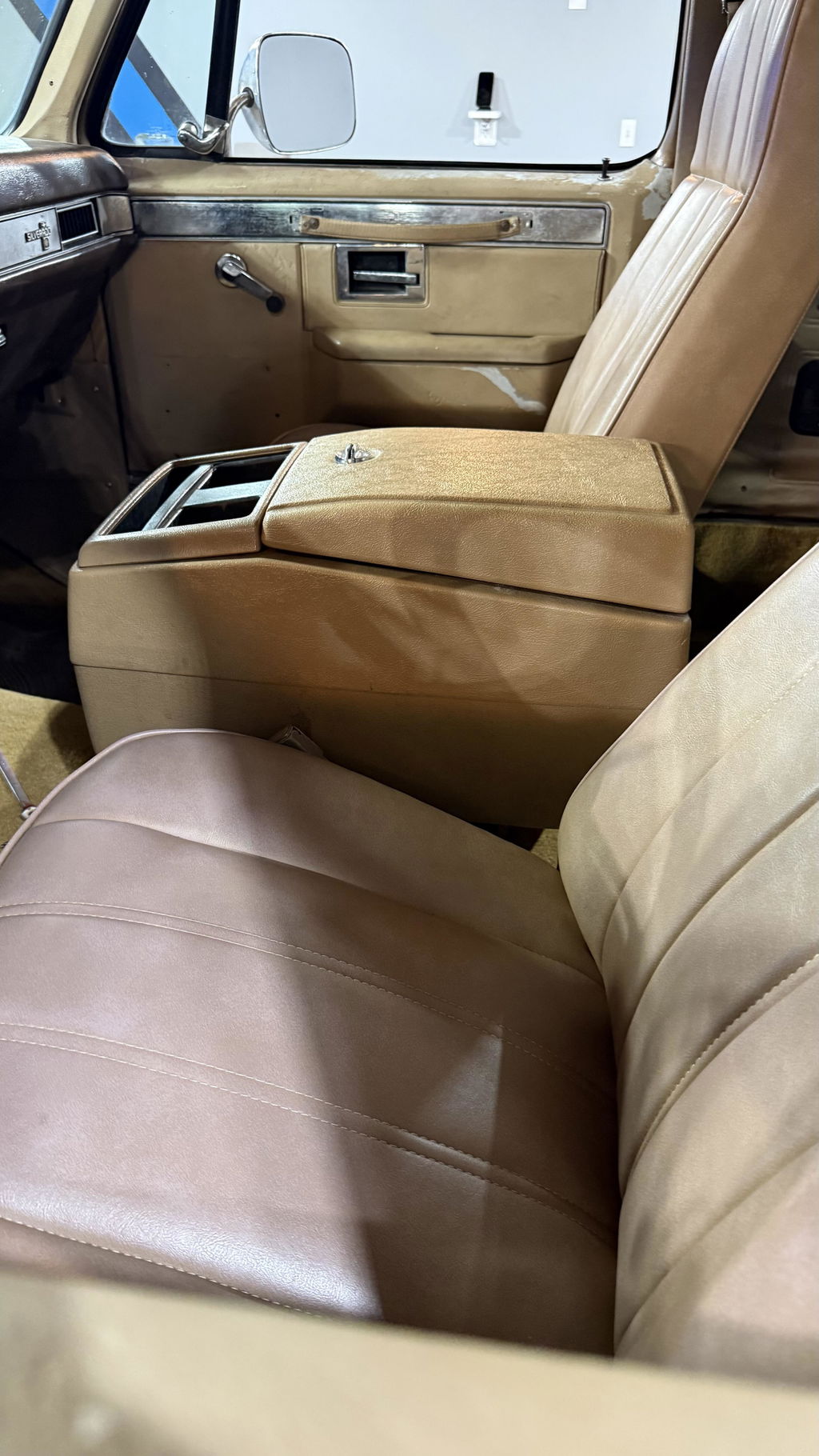
Before you pick speakers or amplifiers, look at the cab and be honest about its condition. A regular-cab C10 or K10 has far less room to work with than a K5 Blazer, GMC Jimmy, or Suburban. A truck with a restored interior may call for a no-cut approach. A work truck with worn panels may give you more freedom, but that does not mean cutting is automatically the right move.
Also consider how the truck is driven. A weekend cruiser running around town can sound great with modest speaker power and a small subwoofer. A truck that spends time on the highway, especially with louder exhaust or aggressive tires, needs more clean power and better noise control. An off-road rig adds another concern: equipment must be mounted securely, wiring must be protected, and loose panels will make themselves known on the first rough road.
The cab condition matters as much as the equipment. Fix loose window hardware, rattling trim, water leaks, and damaged door-panel clips before installing audio. A new speaker cannot overcome a door panel that is flapping around or a floorpan that lets road noise straight into the cab.
Set a Real Goal Before Picking Gear
Most Squarebody owners fall into one of three lanes. They want clear music for cruising, a balanced system with real low end, or a build that plays hard enough to be part of the truck's personality. None is wrong. Problems start when someone buys equipment for one goal and expects another result.
For clear cruising sound, put the money into good front speakers, a solid head unit, proper wiring, and basic sound treatment. Front speakers carry the soundstage. If vocals and guitars sound like they are coming from your feet or from somewhere behind your shoulder, the system will never feel quite right no matter how much bass you add.
For a balanced setup, add an amplifier to the front speakers and a properly sized subwoofer. This takes the low-frequency load off the smaller speakers, which lets them play cleaner at normal and higher volume. You do not need a giant enclosure to get useful bass in a Squarebody cab. In fact, taking up the whole cab usually gets old once you need a jacket, tools, or a passenger seat.
If the goal is serious output, plan the electrical system first. More amplifier power means more current draw. That can mean upgraded battery cables, proper charging-system health, dedicated power and ground wiring, secure fuse protection, and careful gain setting. Throwing big amplifiers at an old charging system is how a fun stereo project turns into dim lights, voltage drop, and damaged equipment.
Choose Speaker Locations Before Choosing Speakers
This is where Squarebody-specific planning pays off. The factory interior was not designed around modern speaker sizes, and universal solutions often leave you drilling holes, cutting original panels, or settling for a location that points sound in the wrong direction.
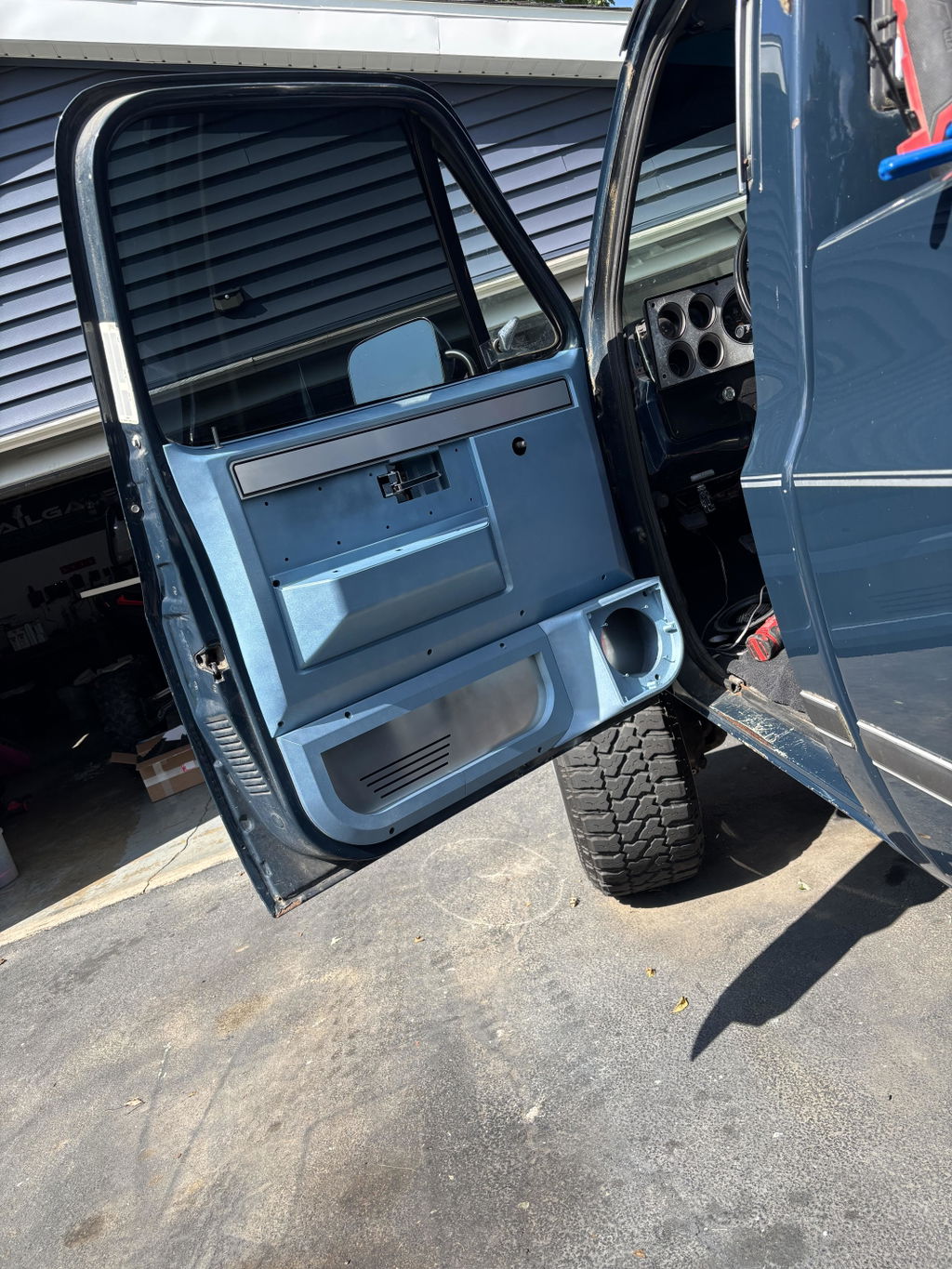
Front speaker placement should be your first concern. The goal is to get sound up and forward without making the interior look hacked together. Door-mounted speakers can work very well when the panel is built for the truck and the speaker is mounted solidly. A lower door location also keeps the dash cleaner and gives you room for a useful speaker size.
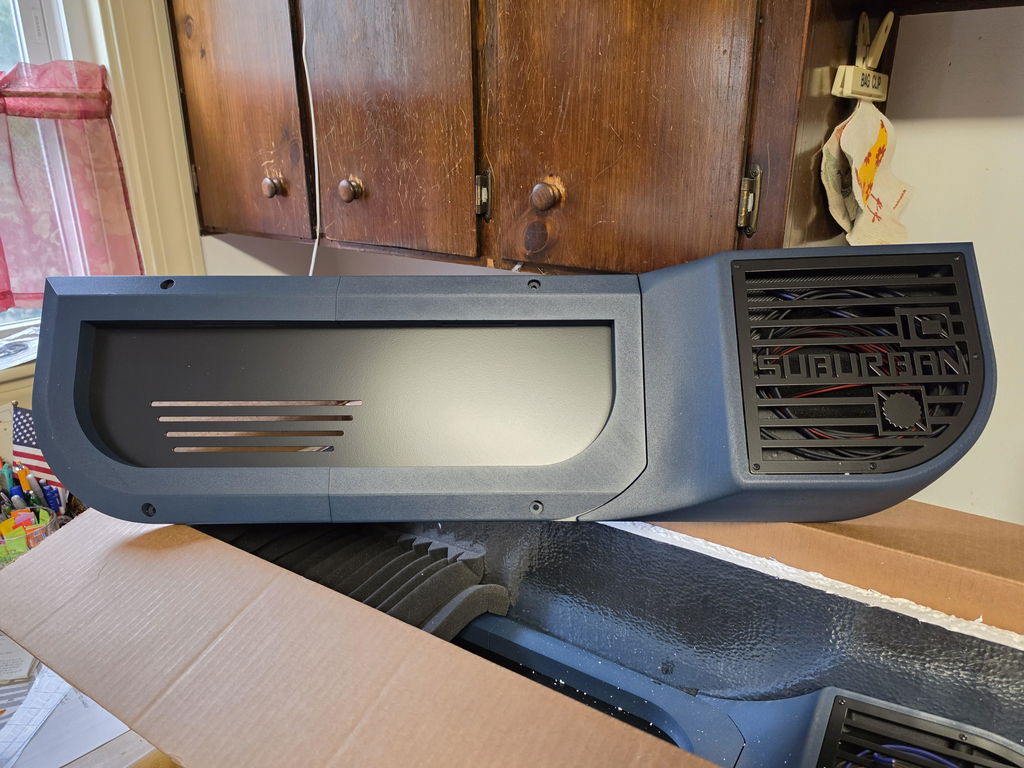
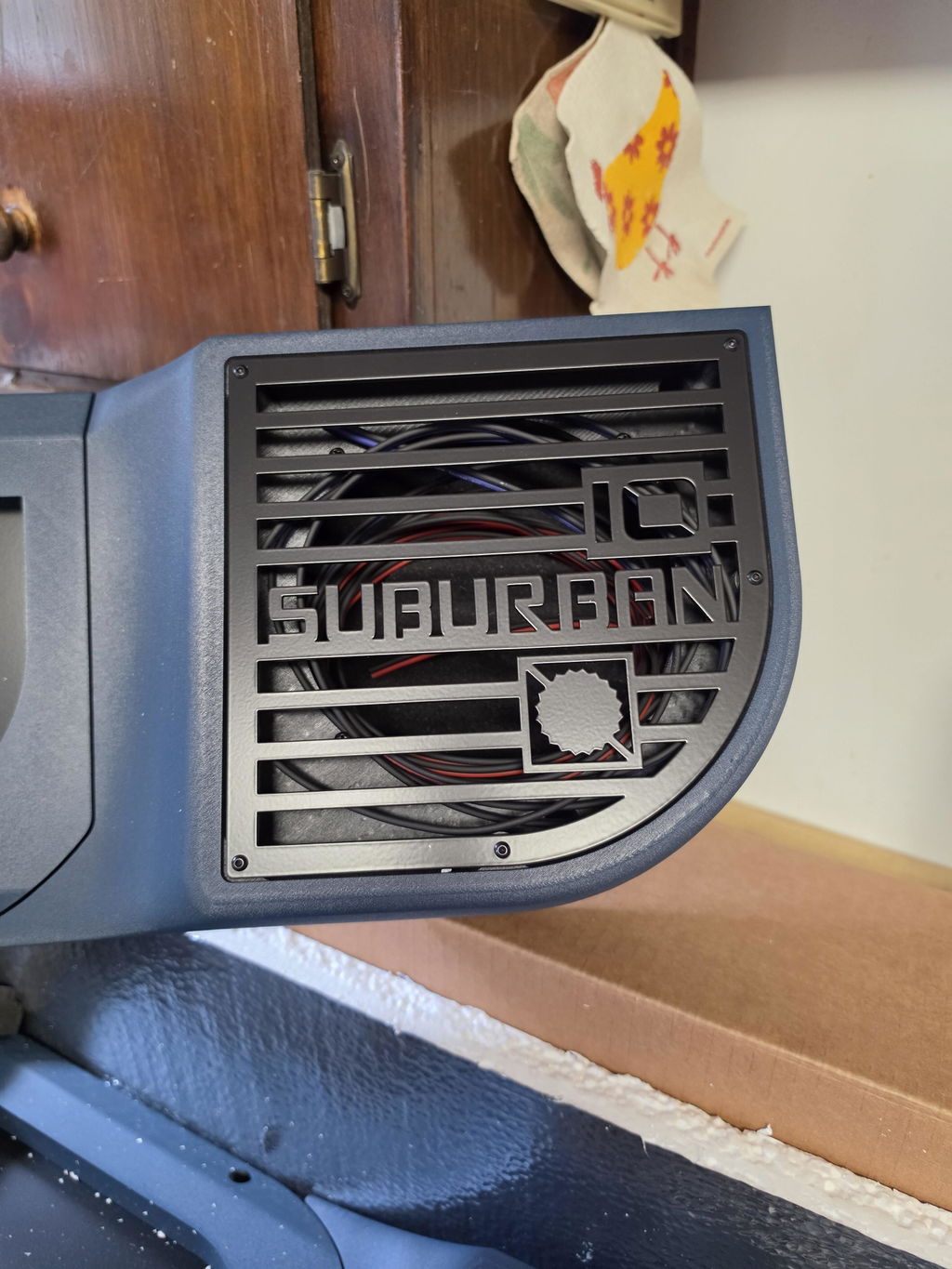
BBOR's Squarebody lower door speaker panels were built around that exact problem: adding 6.5-inch speakers without cutting factory door panels. That matters if your originals are clean, hard to replace, or simply something you do not want to ruin. The speaker panel, deadener, lighting, and wiring choices should support the system plan, not be random add-ons.
Rear speakers are optional in a regular cab. They can add fill, but they should not overpower the front stage. In a Blazer, Jimmy, or Suburban, rear speaker placement has more value because there is actual space behind the listener. Even then, keep the front speakers as the main focus.
Fitment is not just about diameter. Check mounting depth, window travel, wire routing, grille clearance, and the strength of the mounting surface. A speaker that technically fits but hits the window track or flexes the panel is not a fit.
Build the Electrical and Wiring Plan on Paper
Old trucks have old wiring. That does not mean every factory harness is bad, but it does mean you should inspect it instead of assuming it is ready for added load. Start with the basics: battery condition, alternator output, grounds, fuse box condition, and any past-owner wiring repairs. Squarebodies have seen a lot of stereos, trailer brakes, lights, switches, and creative electrical work over the years.
Run amplifier power directly from the battery through a properly sized fuse mounted close to the battery. Route the cable where it cannot chafe on sharp metal, get pinched by a seat, or hang near exhaust heat. Use grommets any time wiring passes through metal. Ground the amplifier to clean bare metal with a short, appropriately sized cable. A poor ground is one of the most common causes of noise and unreliable amplifier operation.
Do not use speaker wire that is too small, and do not twist connections together and wrap them in electrical tape. Crimp or solder connections correctly, protect them, and secure the wiring so it cannot rattle. Keep signal cables away from main power wiring when possible. It will not fix every noise issue, but it is good practice and makes diagnosis easier later.
If you are keeping an older-style dash or using a modern head unit with adapters, plan for the wiring behind the radio before final assembly. Leave enough service loop to remove the unit if needed, but not so much loose wire that it turns into a rattle nest behind the dash.
Treat Noise and Rattles as Part of the System
Sound deadener is not magic, and it will not turn a Squarebody into a luxury car. Used in the right places, though, it makes a noticeable difference. Door skins, speaker mounting areas, rear cab walls, and floors can all benefit depending on the build. The biggest wins usually come from stiffening a speaker mounting area and reducing panel vibration.
Road and drivetrain noise are part of the Squarebody experience. You can reduce them, but you will not erase them without changing the character of the truck and putting serious time into insulation. For most builds, focus on the areas that affect speaker performance and obvious rattles first. Add more treatment if the truck's purpose calls for it.
Check every panel after the install. Play a bass-heavy track at moderate volume, then listen with the truck parked and again on the road. A buzz may be a loose door rod, a window channel, a license plate, or a tool under the seat. Chasing those small noises is what separates a system that sounds good for five minutes from one you enjoy every time you drive it.
Plan Bass Around Space and Use
A subwoofer enclosure should fit the truck and your life, not just the spec sheet. In a regular cab, under-seat and behind-seat space is limited, especially with a bench seat. Measure with the seat in its normal driving position. Check seat travel, jack storage, access to tools, and whether you still need room for passengers.
A compact sealed enclosure is often a good fit for a daily-driven Squarebody. It is generally easier to package and can give controlled, musical bass. A ported enclosure can play louder and lower when built correctly, but it usually takes more space and needs to be designed for the specific subwoofer. A random box is a compromise before the first song plays.
Mount the enclosure so it cannot slide in a hard stop or on a trail. That is not optional. The same goes for amplifiers. They need airflow, secure mounting, and protection from wet floors, loose cargo, and boots getting in and out of the cab.
Leave Room to Tune It Right
The final sound is not determined when the boxes arrive. It is determined after installation, when crossover points, amplifier gains, polarity, head-unit settings, and speaker balance are adjusted together. Gains are not volume knobs. Set them wrong and you can clip the signal and hurt speakers even with equipment that is otherwise matched well.
Start with the head unit's EQ close to flat. Set crossovers so door speakers are not trying to make deep bass they cannot handle, then bring the subwoofer in underneath them. Listen to familiar music at normal driving volume, not just one bass test track in the driveway. If the system is harsh, muddy, or bass-heavy, fix the settings before buying more equipment.
The best Squarebody stereo is the one that fits the truck without creating a new list of problems. Plan the speaker locations, power, wiring, noise control, and space first. Then build it clean enough that you can enjoy the truck, hear the music, and still recognize the cab you worked hard to keep.