
How to Modernize Your Squarebody's Interior
Quick Takeaways
- Fix ergonomics before cosmetics — new carpet won't help if your back hurts and your drink is on the floor. The factory console sits too low to be an armrest and its cup holders don't hold modern drinks; both are fixable. Rebuild worn seat foam before swapping seats, and watch mounting height when you do swap. Cleaning up the radio opening and consolidating toggle switches is the biggest visual win for the least effort. Build in stages, starting with what you touch every drive, so you feel what each change actually does.
A lot of Squarebody interiors still look good from ten feet away and drive terribly from the seat. The bench is tired, there's nowhere to set a drink, the radio sounds like a blown alarm clock, and every small item slides across 40-year-old plastic. If you're figuring out how to modernize your Squarebody's interior without turning the truck into something it never was, the goal is simple — fix what makes these trucks annoying to use while keeping the character that made you buy one in the first place.
That last part matters. A Squarebody should still feel like a Squarebody. Modernizing the interior doesn't mean stuffing it with generic parts, oversized screens, and universal accessories that look wrong the second you open the door. The best upgrades solve real problems, fit the cab the way they should, and hold up when the truck is actually driven, hauled, wheeled, or daily used.
Start With How the Truck Actually Gets Used
Before you buy anything, be honest about the job your truck does now. A weekend cruiser needs different interior upgrades than a hunting rig, trail truck, tow pig, or clean street build. If your truck sees dirt, bad weather, and long drives, durability and storage matter more than showy trim. If it's a mostly restored truck with occasional use, you may care more about preserving the stock look while quietly improving comfort.
This is where a lot of builds go sideways. Owners chase the flashiest parts first, then realize the cab is still uncomfortable and inconvenient. Start with the pain points you notice every time you drive. Usually that means seating position, storage, cup holders, sound, and surfaces that are worn out or hard to live with.
Fix Ergonomics Before Cosmetics
If there's one rule, it's this. New carpet and shiny trim look great in photos, but they don't change the fact that your phone has nowhere to go and your drink is balancing on the floor.
Before you buy a single part, figure out where the truck and your body are actually fighting each other. Are your knees above your hips? Does your right arm have anywhere to rest? Are you leaning forward to reach the wheel? Those are ergonomic problems, and they're the reason a lot of Squarebodies are exhausting to drive for more than an hour. We walk through the whole diagnostic in why your Squarebody is uncomfortable to drive. Answer that first, and the rest of your build gets a lot cheaper.
The Console Is Where Most Owners Should Start
A good center console setup changes the feel of these trucks fast, especially in cabs that never had useful storage from the factory. The 1981–1991 factory console sits too low to work as an armrest, and the cup holders it came with don't hold anything you'd actually drink out of today.
The 5" Console Lift raises the factory console to a usable armrest and reach height. It's a direct bolt-in — it reuses your factory console bolts and floor brackets, so no drilling and no fabrication, and it's reversible. The Adjustable Cup Holder Assembly handles drinks. One honest note on that: because the holders are sized for real modern cups and tumblers, the install requires trimming the factory console opening to fit. That's intentional and it's what makes them work. The Console Combo pairs both, which makes sense since the console has to come out for the lift install anyway.
That's not a small upgrade. On a truck you drive regularly, it's one of the most noticeable improvements you can make. The full breakdown of every console option, including what to avoid, is in the best Squarebody center console upgrades that fit.
Seating, Comfort, and Driving Position
Old foam lies. A seat can look fine and still leave your back cooked after 45 minutes. If your interior feels outdated every time you drive, the seat is usually a big part of why.
You've got a few ways to handle it. Rebuilding the factory bench or buckets keeps the stock vibe and is the right move for a restoration-style truck. Swapping to more supportive seating is worth it if the truck sees real miles. The trade-off is appearance and fitment — some late-model seat swaps improve comfort a lot, but not all look right in a Squarebody cab, and some sit too high or too wide. Pay attention to seating height and its relationship to the wheel and pedals. A modernized interior should make the truck easier to drive, not create a weird posture because the new seat base looked good on paper. We cover rebuild-versus-swap and the mounting-height problem in how to make Squarebody seats comfortable.
Steering wheel choice affects comfort more than people admit too. A smaller wheel sharpens the feel, but if your truck doesn't have power steering or the wheel is too small for the cab, low-speed driving gets less enjoyable. Depends on the build and how original you want to stay.
Storage: Give Everything a Home
Squarebodies were never built with modern storage in mind, and it shows the moment you've got sunglasses, registration, a garage remote, a knife, receipts, and charging cables floating around the cab. Every time you take a hand off the wheel to fish for something, you've left your driving position — which on rough ground is more than an annoyance.
The fix isn't more compartments. It's the right ones in the right places, matched to how often you actually reach for things. Daily items up front where you can grab them without looking; emergency gear deeper in the cab. We lay out the whole approach in Squarebody storage solutions that work.
Sort the Dash
The dash is the most visible surface in the truck and usually the most hacked. A dead radio, an empty hole where one used to be, or five toggle switches drilled wherever there was open metal — all of it drags the cab down.
Cleaning up the radio opening with a proper radio delete panel or a single-DIN install panel is the biggest visual win for the least effort. Consolidating random toggles into one switch panel is the second. Both make the cab look intentional instead of accumulated. There's more on gauges, phone mounts, cluster lighting, and charging in Squarebody dash accessory ideas.
Audio That Doesn't Look Out of Place
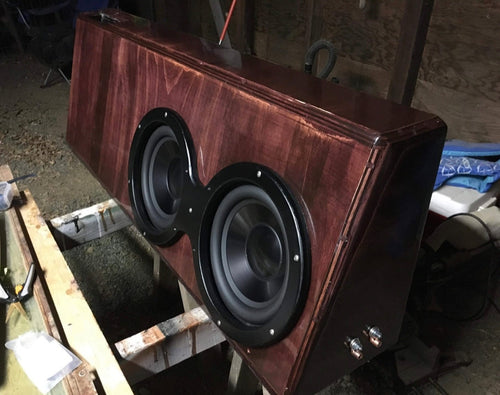
Factory-era audio was bad when these trucks were new. Now it's just old. A modern head unit, hidden Bluetooth setup, or updated speaker layout makes the truck much easier to live with, especially on long drives.
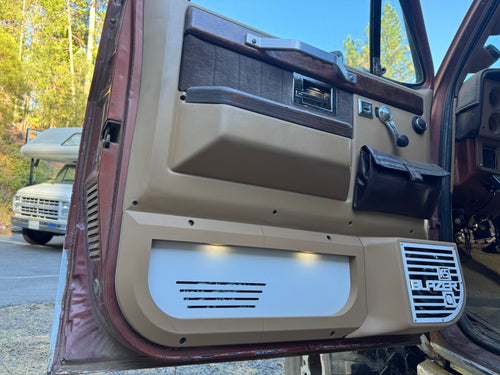
Restraint helps here. A giant touchscreen looks wrong fast in a Squarebody dash. For a lot of builds, a simple receiver with modern connectivity is the better move. And speaker placement matters more than most owners expect — a stereo can sound expensive and still perform like junk if the speakers ended up wherever they happened to fit. Door speaker panels built for the platform clean up the install and put the sound where you can actually hear it. If you're building the whole system, start with the best Squarebody speaker upgrade options, then work through it in order using how to upgrade Squarebody audio right.
Add charging while you're in there. Clean 12-volt power and updated wiring support modern use in a way that feels natural instead of forced. If you run accessory lighting, a radio, or onboard gear, it's also the right time to clean up years of splices and mystery fixes.
Materials That Look Right and Last
When people think about modernizing an interior, they usually jump to color, upholstery, and trim. That stuff matters — but it works best after you've sorted out function.
Once you get there, keep the material choices honest. Squarebodies wear tough finishes well. Vinyl, marine-grade materials, textured plastics, and durable carpet make sense because these trucks were never meant to be delicate. If your build sees mud, tools, kids, or dogs, white leather and high-gloss trim will annoy you more than impress you.
A smart refresh leans into the factory lines while tightening the details. Clean upholstery, refreshed door panels, a better headliner, and a dash that isn't cracked to pieces make the truck feel years newer without losing its identity. You don't need to redesign the cab. You need the worn-out stuff gone and the high-touch surfaces improved.
Keep It Platform-Correct or It Will Look Wrong
This is the part a lot of owners learn the hard way. Universal interior accessories almost always look universal. Poor fit, weird mounting, cheap finishes, and awkward proportions stand out fast in a Squarebody because the cab is simple and everything is visible.
Platform-specific parts usually cost more for a reason. They fit better, install cleaner, and look like they belong there. That's especially true with console setups, speaker panels, and anything mounted to a visible surface. That doesn't mean every universal part is bad — switches, wiring, insulation, and hidden electronics can work fine. But if the part is front and center in the cab, fitment and finish matter.
Build in Stages
You don't have to redo the entire interior at once. Staged upgrades often lead to a better build because you can feel what each change actually does.
Start with the things you touch every drive — driving position, console and cup holders, seat comfort, and basic storage. Those deliver the biggest payoff. Then move into audio, lighting, and surface restoration. After that, decide whether the truck needs deeper cosmetic work like upholstery, carpet, or a full dash refresh. That order keeps you from wasting money on parts that looked exciting online but don't improve how the truck works.
A well-modernized Squarebody interior should feel like the truck finally caught up to the way you use it now. Not softer. Not generic. Just smarter, cleaner, and built for people who actually drive their trucks.
Frequently Asked Questions
What should I upgrade first in a Squarebody interior?
Fix ergonomics before cosmetics. Diagnose your driving position — seat height, armrest, reach — then handle the console and cup holders, then seating and storage. New carpet won't help if your back hurts after 45 minutes and your drink is on the floor.
Can I modernize the interior without ruining the stock look?
Yes, if you use platform-specific parts. Raising the factory console and fixing the factory cup holders keeps the cab's character while solving the real problems. Universal accessories are what look tacked on — the Squarebody cab is simple and everything is visible, so bad fit shows immediately.
Do the console lift and cup holders require cutting?
The 5" Console Lift is a direct bolt-in that reuses factory bolts and brackets — no drilling, and it's reversible. The adjustable cup holders clip in like the factory ones but require trimming the console opening to fit the larger holders. That trimming is intentional and is what lets them hold modern drinks.
Should I rebuild my seats or swap them?
Rebuild first if you want the stock look — on most of these trucks the frame is fine and only the foam and internals are dead. Swap to later-model seats if you need real lumbar support and side bolstering for long drives or trail use. Watch seat height; too tall and your knees hit the wheel.
What interior materials hold up best in a Squarebody?
Vinyl, marine-grade materials, textured plastics, and durable carpet. These trucks were built tough and used hard, so delicate finishes get old fast. If your build sees mud, tools, kids, or dogs, skip the white leather and high-gloss trim.
Need The Parts For This Build?
We carry everything mentioned in this guide — picked and backed by real Squarebody owners.
0 Comments
Leave a Comment