
10 Best Squarebody Rear Storage Ideas That Work
A Squarebody can haul a pile of parts, tools, recovery gear, groceries, and camping stuff - right up until all of it starts rolling around, rattling, or getting soaked. The best squarebody rear storage ideas are not about cramming every open space with accessories. They are about keeping the gear you actually use secure, easy to reach, and appropriate for how you use your truck.
A clean C10 cruiser needs something different than a K10 that sees dirt roads every weekend. A K5 Blazer with a removable rear seat has different options than a long-bed pickup. Start with the job your truck does, then build storage around that instead of copying somebody else's setup.
Start With the Truck You Have
Before buying a box or building a rack, look at the body style and the way you load the truck. Fleetside pickup beds have broad, usable floor space but not much protection from weather without a tonneau or camper shell. Stepsides lose some width between the fenders, so measure before committing to a full-width setup. A short bed especially gets crowded fast when you add a toolbox, spare tire, cooler, and recovery gear.
K5 Blazers, GMC Jimmys, and Suburbans offer enclosed cargo space, but that does not automatically make them organized. The rear seat, wheel tubs, tailgate, and top all affect where a storage solution can sit and whether it remains useful. A setup that is perfect with the rear seat folded may be a headache when passengers ride along.
Also be honest about access. If you use the truck for work or make regular parts runs, you probably want the bed floor mostly open. If it is a trail truck, fast access to recovery gear matters more than having a totally flat load floor. There is no one right answer.
1. Low-Profile Bed Toolbox for Daily-Driven Pickups
A low-profile crossover toolbox remains one of the most useful pickup-bed storage options. It keeps basic hand tools, tie-downs, gloves, electrical repair supplies, and a small emergency kit close to the cab without giving up the whole bed.
The trade-off is bed length. On a short-bed Squarebody, even a modest box takes away valuable space when you are hauling lumber, engines, or a dirt bike. Choose one with a lid that clears the bed rails correctly and does not interfere with any other bed-mounted equipment. Measure the rail width and cab clearance first. Squarebody beds are simple, but not every so-called universal box lands where it should.
2. Wheel-Well Side Boxes for Keeping the Floor Open
Side-mounted wheel-well boxes can work well on a truck that still needs an open center floor. They put smaller gear along the bed sides, leaving room for larger cargo between the wheel tubs. This is a solid setup for straps, shackles, jumper cables, fluids, and hand tools.
The downside is that side boxes can make it harder to load wide items. They also need to be mounted securely. Thin bed sheet metal is not enough by itself for a loaded box bouncing down a rough road. Use proper backing where needed, keep hardware from rubbing wiring or fuel-system components, and make sure the box lid clears when the tailgate is down.
3. A Removable Bed Drawer for Organized Hauling
A full-length drawer system under a raised bed floor is one of the cleanest rear storage ideas for a Squarebody that carries a lot of gear. You can separate tools, camping equipment, recovery equipment, and spare parts without crawling into the bed every time you need something. It also keeps the load floor flat enough for coolers, totes, or luggage.
But drawers eat vertical space and add weight. That matters on a truck that regularly hauls bulky loads. They also need to be built stout enough to handle vibration, especially on a K10 or K20 that gets used off pavement. Cheap slides and lightweight materials do not stay happy for long in a bouncing truck.
If you build one, make it removable. A drawer system that bolts in cleanly gives you the option to pull it out when the truck needs to do real truck work.
4. Locking Under-Bed Storage for Tools You Leave With the Truck
Under-bed boxes are a good answer when you want to keep the bed completely free. They work best for smaller tools, recovery straps, roadside gear, and items you do not need every few minutes. On a pickup with a lift, there may be enough room to mount a box without making it the first thing to hit an obstacle.
Ground clearance is the deciding factor. On a lowered C10, under-bed storage can turn into an expensive scrape plate. On an off-road rig, it must be tucked high and protected from rocks. Check suspension travel, exhaust routing, driveshaft clearance, and tire clearance before mounting anything underneath. Do not assume a box that clears while parked will clear when the axle cycles.
5. Cab-Behind-the-Seat Storage in Regular-Cab Pickups
Regular-cab Squarebodies do not have much interior storage, but the space behind the seat can still earn its keep. A slim tool bag, recovery strap roll, compact fire extinguisher, or small first-aid kit can fit there without turning the cab into a mess.
Keep the setup low and secure. Loose objects behind the seat become projectiles when you hit the brakes hard or drop a tire in a hole. Avoid piling heavy tools against the back of the seat, especially if the truck sees rough roads. A simple mounted bracket or restrained bag is better than loose gear wedged into the gap.
This is also a good place for audio-related equipment when planned correctly. An amplifier or wiring distribution setup needs airflow, protected wiring, and a mounting location that will not get kicked, crushed, or soaked. Clean wiring and solid mounting matter more than hiding everything behind trim.
6. Rear Cargo Decks for K5 Blazers and GMC Jimmys
A removable cargo deck can make the back of a K5 Blazer or GMC Jimmy far more usable. It creates a level surface for coolers, toolboxes, camping gear, or a spare tire while giving you space underneath for smaller equipment. Done right, it looks like it belongs in the truck instead of like leftover plywood from a garage shelf.
Build around the tailgate operation and rear seat position. If the deck blocks the tailgate from opening fully, access gets old in a hurry. If you still use the rear seat, make sure passengers can get in and out without fighting the storage setup. For an open-top truck, use materials and hardware that can handle moisture. Even a good top can leak, and a sudden rainstorm does not care how nice your build is.
7. Wheel-Tub Storage Pockets for Enclosed Rigs
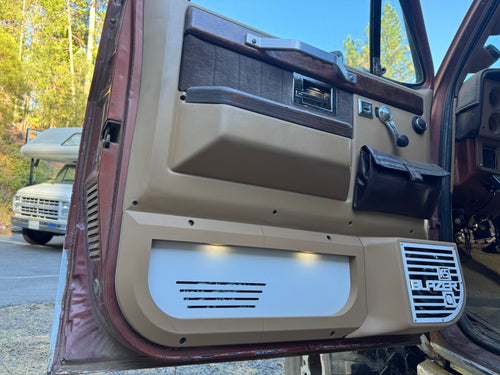
The area beside the rear wheel tubs in a Blazer, Jimmy, or Suburban is often wasted. Shallow storage pockets, small lockable compartments, or carefully mounted tool bags can use that space without taking over the cargo floor.
This is best for gear you want available but out of sight: a tire plug kit, basic electrical supplies, small tools, or trail spares. Keep it shallow enough that plywood, camping gear, and larger loads can still slide in. The goal is useful storage, not a bunch of compartments that only fit one oddly shaped item.
8. A Spare-Tire Mount That Does More Than Hold a Spare
A bed-mounted or cargo-area spare-tire carrier can free up space and make the spare easier to reach than the factory under-bed location. This is especially useful if you run a larger tire that no longer fits where GM intended it to go.
The mount needs to be tied into something strong. A heavy tire mounted to thin sheet metal will eventually crack the sheet metal or loosen hardware. Think about sightlines too. A pickup-bed spare can block the rear window, and a cargo-area spare in a Blazer can make rear access more difficult. Some owners accept that trade-off for trail use. A daily driver may not be worth it.
9. Secure a Recovery Kit Instead of Scattering Recovery Gear
Recovery gear is one of the easiest things to throw in a truck and forget about until it is needed. That is also how straps get wet, shackles disappear, and gloves end up under everything else. A dedicated recovery bag or compact box keeps it together and makes it easy to move between trucks.
Keep the kit realistic. A tow strap, shackles matched to your recovery points, gloves, a tire repair kit, air tools or a compressor if you run one, and basic hand tools cover a lot of real-world situations. The important part is securing the kit. A heavy box sliding through the bed can damage the truck and become dangerous fast.
10. Use a Modular Tote Setup When the Truck Has Multiple Jobs
For many Squarebody owners, the smartest storage system is not permanent at all. Tough, lidded totes can hold camping gear, work supplies, car-show cleaning products, or trail equipment, then come out when you need an empty bed. They are not flashy, but they work.
Use matching tote sizes so they stack cleanly, and anchor them with tie-downs. Label them if you have several. A labeled electrical tote beats digging through three boxes at night looking for heat shrink and crimp terminals. This approach is especially good for a truck that changes roles from week to week.
Build Storage Around Access, Not Just Appearance
The best-looking rear storage setup is useless if you have to unload half the truck to get to a jack, a strap, or your tools. Put frequently used items near the tailgate or rear doors. Keep heavy gear low and as close to the center of the truck as practical. Secure every hard object that could move under braking or on rough terrain.
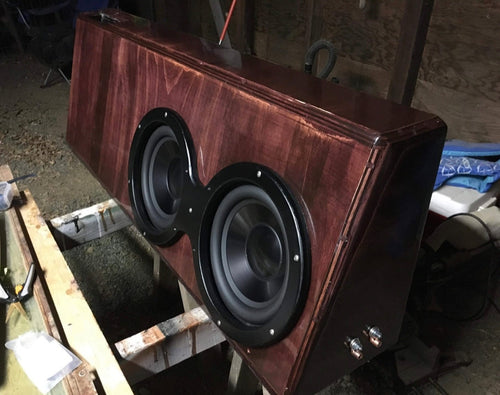
If you are adding rear audio equipment, plan it alongside storage instead of treating it as an afterthought. Amplifiers need protected mounting, proper wire routing, and ventilation. Subwoofer enclosures take up serious room, so decide early whether the truck is meant to carry a big system, a full load of gear, or a balanced mix of both.
A Squarebody is simple enough to make your own. Build the rear storage around the way you actually use the truck, leave room for the jobs that matter, and make sure every piece is secured like the road is about to get rough.
Need The Parts For This Build?
We carry everything mentioned in this guide — picked and backed by real Squarebody owners.
0 Comments
Leave a Comment