C10 Cab Interchangeability for Squarebody Trucks
Share
A rusty cab can turn a solid Squarebody build into a pile of headaches fast. That is why C10 cab interchangeability matters before you buy the first clean-looking donor cab that pops up for sale. The short answer is that many 1973-1987 Chevy and GMC pickup cabs share the same basic family and can be swapped with planning. The real answer is in the details bolted to that cab: dash parts, wiring, pedals, HVAC pieces, floor openings, doors, and the condition of the mounts underneath it.
A cab swap is not like changing a fender. You are moving the part of the truck that holds most of the interior, much of the wiring, the steering column, pedals, glass, doors, and often plenty of hidden rust. Start with a donor that fits the project, then make a plan for every year-specific piece before the old cab comes off.
C10 Cab Interchangeability Starts With the Cab Family
For conventional-cab Chevy and GMC pickups, the 1973-1987 Squarebody cab is the core interchange group most owners are dealing with. A regular-cab donor can work across two-wheel-drive and four-wheel-drive pickups in that family, whether the truck started life as a C10, K10, C20, or K20. Bed length does not determine the cab, either. A long-bed and short-bed regular-cab truck use the same basic cab structure.
That does not mean every cab is a direct bolt-on with every piece from every other truck. It means the shell is closely related enough to be a realistic donor. A 2WD C10 cab can be a good starting point for a K10 build, and a heavier-duty truck cab can be a workable donor for a half-ton, as long as you account for the parts that differ around it.
Chevy versus GMC usually is not the issue at the cab shell level. The exterior trim, grille, emblems, interior trim choices, and option packages are where you will see the bigger differences. Do not pass up a clean GMC donor simply because your project wears Chevrolet badges, or the other way around. Check the actual cab, not the emblem on the hood.
The 1987-1991 R/V trucks belong in the Squarebody conversation, but they deserve an extra look. GM carried the Squarebody pickup design forward under R and V model designations after the C/K naming transition. Those trucks can provide useful cab-related parts and donors, but 1987-1991 wiring, engine controls, gauges, and option content can change the amount of swapping required. Treat a later R/V cab as a donor to inspect carefully, not as proof that every harness and interior part will plug into an earlier C10.
K5 Blazers, GMC Jimmys, Suburbans, and crew cabs are not regular-cab pickup cab donors in the simple sense. Their body structures are different behind the front seating area. A Blazer or Suburban may share front-end and interior ideas with a pickup, but it is not a shortcut to replace a rusted regular pickup cab.
The Big Split: 1973-1980 vs. 1981-1987
The most important line in a Squarebody cab swap is usually 1981. The cab shell may get you close, but the interior and electrical side of the job changes enough that you need to decide which generation of parts you are keeping.
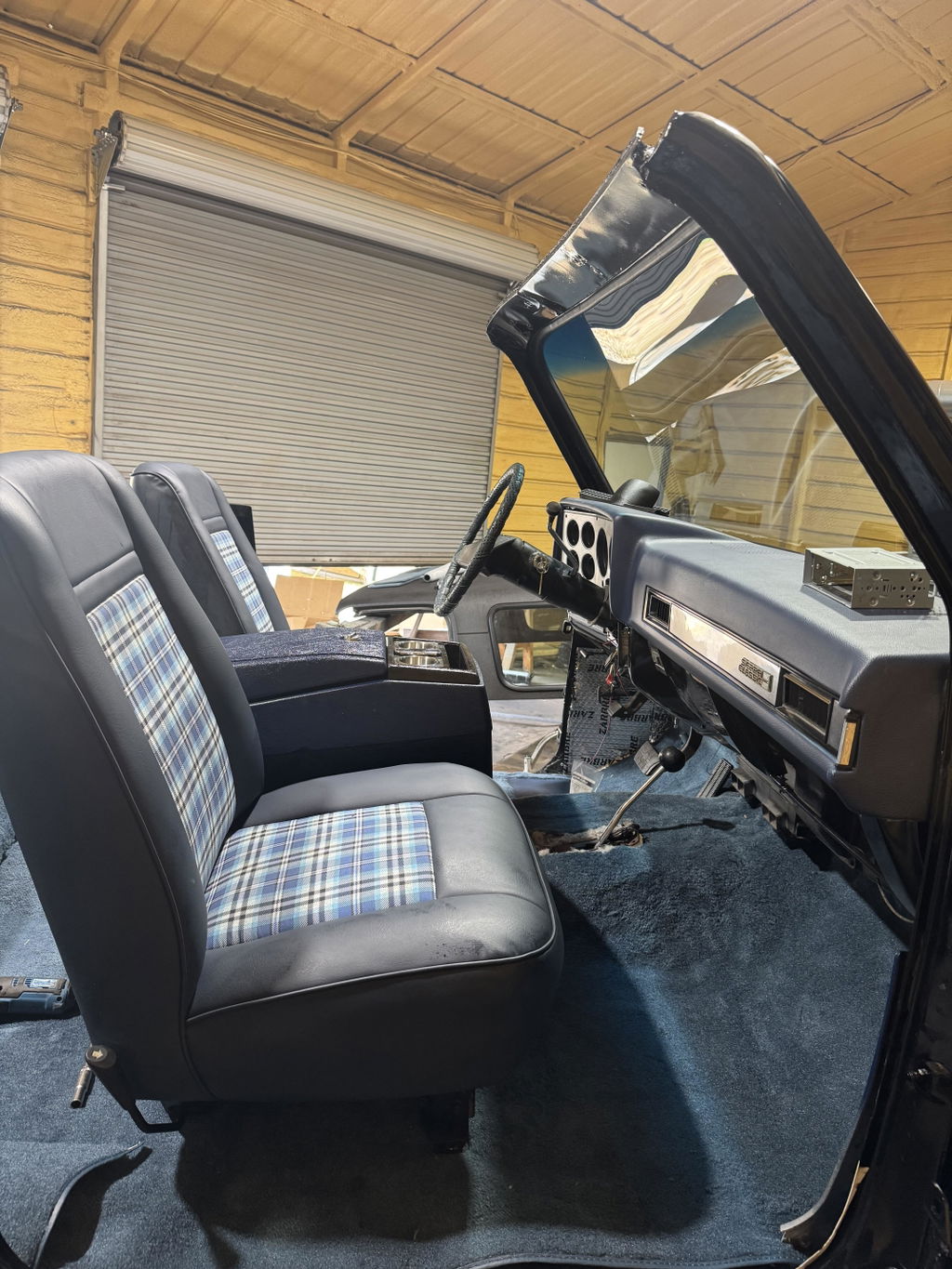
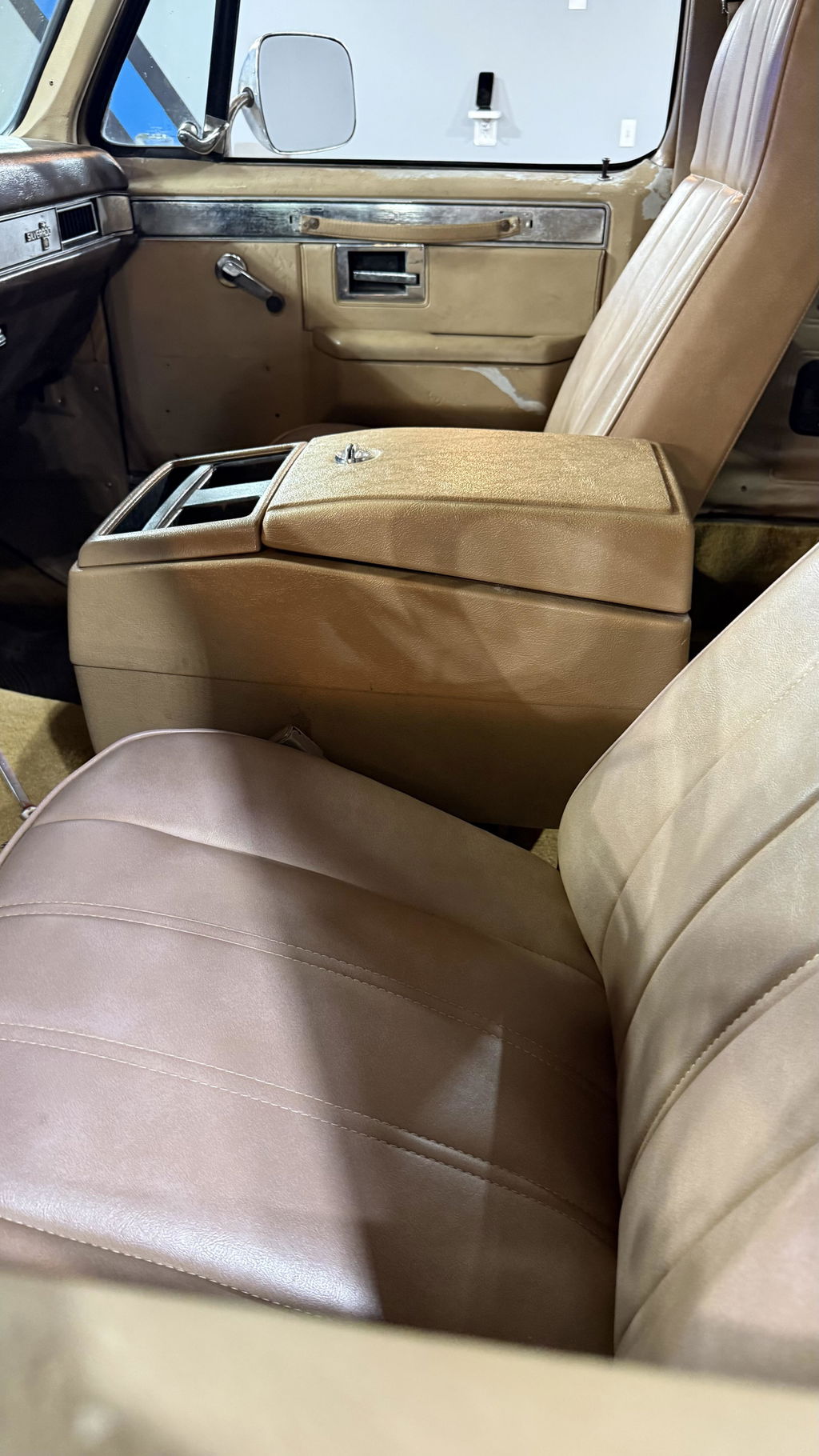
The 1973-1980 trucks use the earlier dash layout and related gauge, HVAC, trim, and wiring arrangements. The 1981-1987 trucks use the later dash and different interior pieces. If you put an early cab on a later truck, or a later cab on an early truck, expect to move the matching dash system over as a set rather than trying to mix random parts one at a time.
That means more than the dash pad. Think instrument cluster, bezel, switches, heater controls, ducts, wiring harnesses, fuse block connections, steering column details, and trim mounting points. Some pieces can be adapted. Plenty of builders have done it. But adapting is not the same thing as direct interchangeability, and it is where a "cheap" donor cab can start costing time.
The cleanest route is usually to find a cab from the same interior generation as your truck. If your 1976 C10 has a solid early-style donor cab available, that keeps the dash and wiring plan simpler. If you are building a 1985 truck, an 1981-1987 cab generally gives you fewer interior compatibility questions.
Two-Wheel Drive and Four-Wheel Drive Differences
The cab shell itself is not what makes a C10 different from a K10. The frame, suspension, driveline, transfer case setup, and related hardware do that job. Still, a 2WD-to-4WD or 4WD-to-2WD cab swap deserves a careful look at the floor and lower firewall area.
Manual-transmission trucks, automatic trucks, and transfer-case-shift trucks can have different openings, covers, boots, brackets, or previous-owner modifications. Never assume the donor floor is ready for your shifter arrangement just because the cab came from a truck with the same number of drive wheels. Look underneath and inside before you buy it.
Also inspect where the cab meets the frame. The basic mounting locations may put the donor in the running, but rusted mount brackets, crushed bushings, missing sleeves, and mismatched hardware will make the cab sit wrong. A cab that sits crooked can create door gaps that look terrible and cause headaches with the core support, fenders, hood, and bed alignment.
Save the hardware from your original truck whenever it is usable. Bag and label every bolt, shim, spacer, ground strap, and bracket during teardown. Squarebody trucks are simple, but they are old enough that parts have often been changed, lost, or mixed over several decades.
What to Inspect Before Buying a Donor Cab
A shiny paint job does not make a donor cab good. In fact, fresh paint can hide the exact places that matter most. Bring a light, get low, and inspect the structure before worrying about the color or interior.
Check the cab corners, rocker panels, floor pans, lower door jambs, windshield channel, roof seams, and the area around the cab mounts. Look at the underside of the floor from both sides. Surface rust is one thing. Soft metal around a cab mount or a windshield channel full of rust is another job entirely.
Open and close both doors if they are still on the cab. Bad gaps do not always mean the cab is junk, but they can point to rust, poor past repairs, a bent shell, worn hinges, or a truck that took a hit. Look for heavy seam sealer, patches laid over rust, rippled floors, and welds that do not match the surrounding factory work.
If possible, buy a donor with its doors, glass, dash pieces, and interior hardware still attached. You may not use all of it, but those pieces are valuable references when it is time to compare holes, brackets, and harness routing. A stripped cab can be a good deal, but only if you already know which small parts you will need to finish it.
Plan the Swap Before the Cab Comes Off
The best cab swap is organized before the lift starts. Photograph the engine bay, firewall, dash, pedal area, door jambs, ground locations, and harness routing. Take more pictures than you think you need. A phone photo of one connector or clip can save an hour later.
Label wiring by function, not just by where it was sitting. Mark grounds clearly. Keep the body harness separate from engine-related wiring, and do not assume wire colors stayed identical across all years and options. Trucks with factory air, power accessories, different gauge packages, diesel applications, or later TBI equipment can add their own variables.
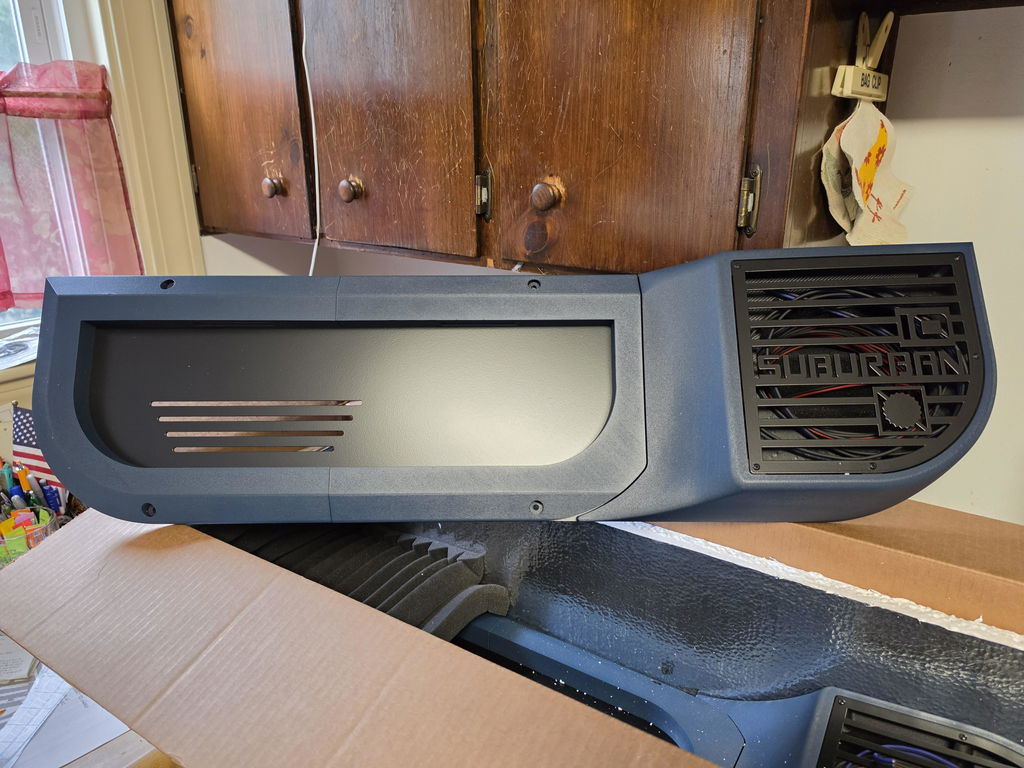
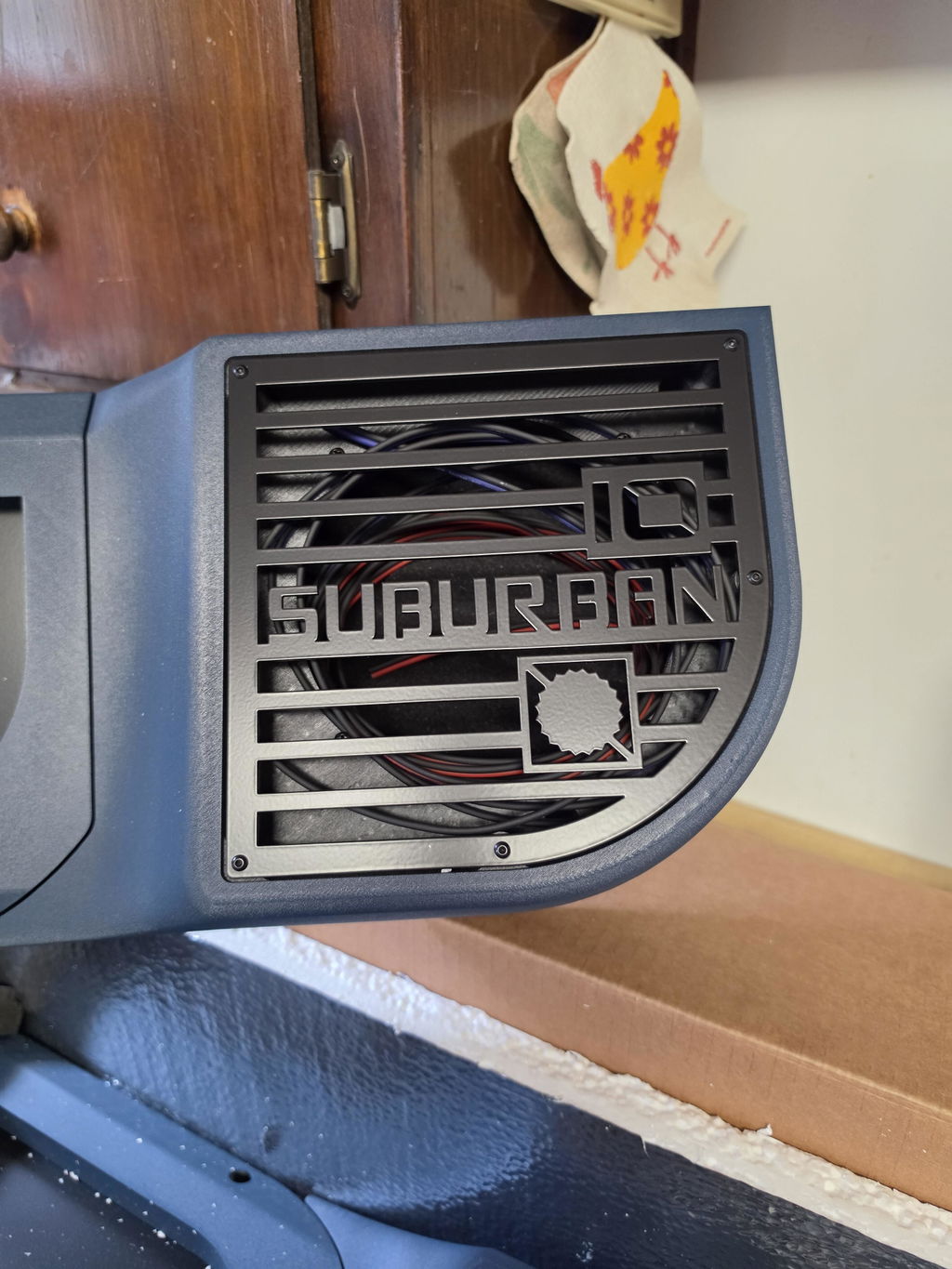
This is also the right time to decide what you want from the interior. If the cab is bare, it is easier to clean up wiring, add sound deadener, repair window channels, replace worn seals, and plan speaker placement without cutting up original door panels. A good cab swap can set the foundation for a better-driving, better-sounding truck, but only if you handle those jobs while access is easy.
Set the replacement cab on good mounts, leave the fasteners loose enough for adjustment, and hang the doors before final-tightening everything. Door gaps are your first real reference point. Then work outward with the front clip and bed alignment. Rushing this stage is how a truck ends up with a hood that fights the fender and doors that need to be slammed.
A clean donor cab is worth more than a bargain that needs every lower panel repaired. Buy the best structure you can find, keep the year-specific parts with the truck whenever possible, and let the fitment plan drive the project instead of the other way around.