Best Car Audio Paradise: What a Good Install Takes
Share
A good stereo should make you want to take the long way home, not leave you chasing rattles, blown fuses, or a dead battery. When people search for the best car audio Paradise has to offer, they are usually looking for more than a box of speakers. They need somebody who can match the system to the vehicle, install it cleanly, and make it work right after the shop lights go off.
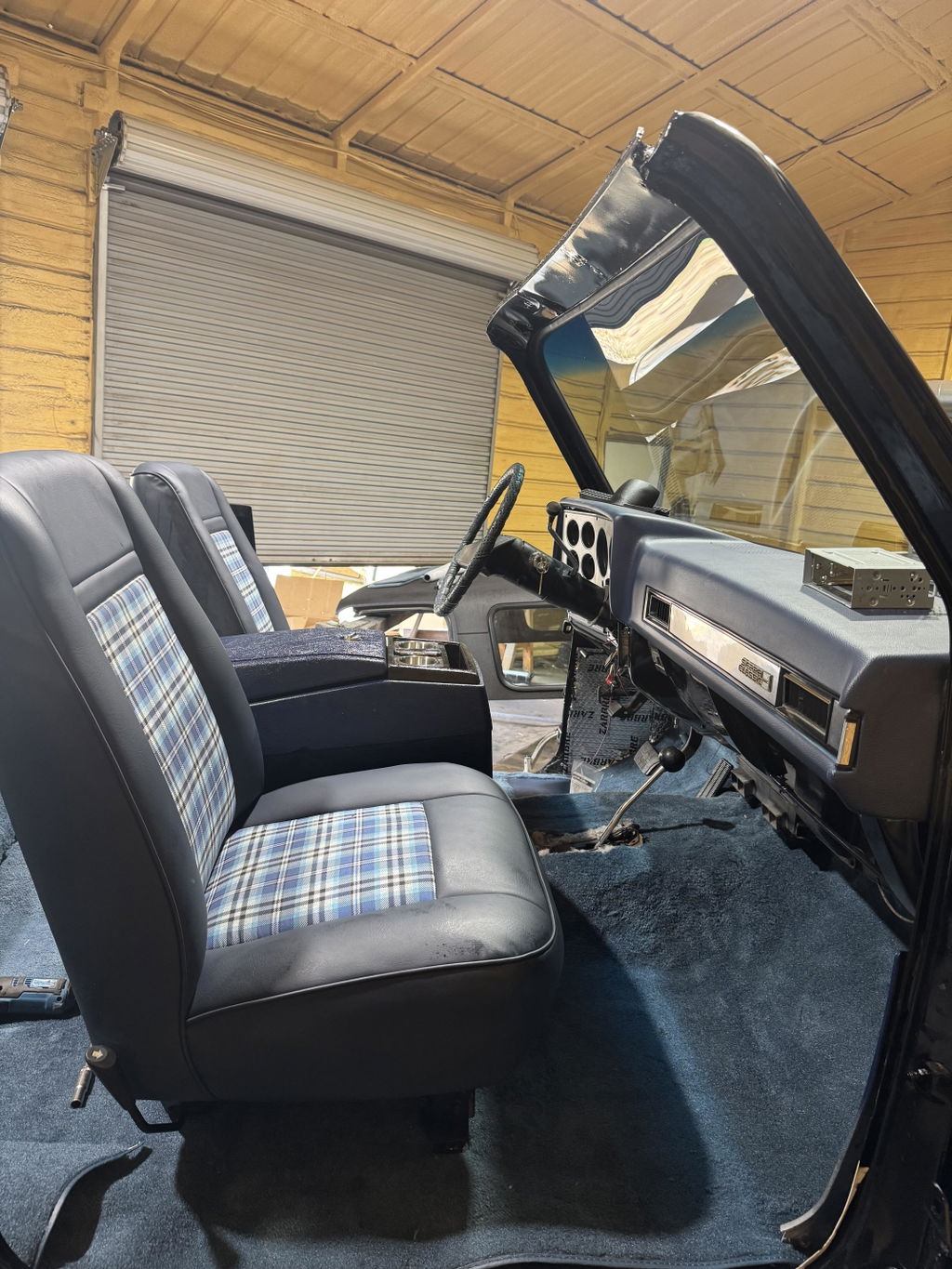
That matters even more in an older truck. A 1973-1991 Chevy or GMC Squarebody was not built around modern audio gear, high-output charging systems, or factory speaker locations that make sense for a serious setup. You can absolutely build great sound into one, but the result depends on planning, fitment, wiring, and respecting the truck along the way.
Best Car Audio Paradise Starts With the Right Plan
The best system for a regular-cab C10 is not necessarily the best system for a K5 Blazer, a Suburban, or a late R/V series truck. Cab volume, available mounting space, how you use the truck, and how much original interior you want to preserve all matter.
Start with the way you actually drive it. A daily-driven C10 that spends time on the highway may benefit most from clear front speakers, sound deadening, and enough amplifier power to hear music over road noise. A show truck may call for a cleaner custom layout. A trail-driven K10 needs gear mounted securely enough to handle vibration, dust, and rough roads. Somebody who wants chest-thumping bass has different needs than a guy who mainly wants old rock, country, or talk radio to sound clear.
There is no honest one-size-fits-all answer. The right system is the one that fits the truck and the owner without creating problems somewhere else.
Start With the Weakest Link
A lot of people replace speakers first, then expect the factory radio and old wiring to carry the whole system. Sometimes that is a worthwhile improvement. Sometimes it just exposes another weak link.
A speaker can only sound as good as the signal and power feeding it. A quality head unit with clean output, properly set gains, and correctly wired speakers will often outperform a pile of mismatched gear. If bass is part of the plan, the amplifier, subwoofer enclosure, power wire, ground connection, and charging system need to be considered as one package.
That does not mean every truck needs a huge system. It means the parts need to agree with each other.
Squarebody Audio Is Mostly a Fitment Problem
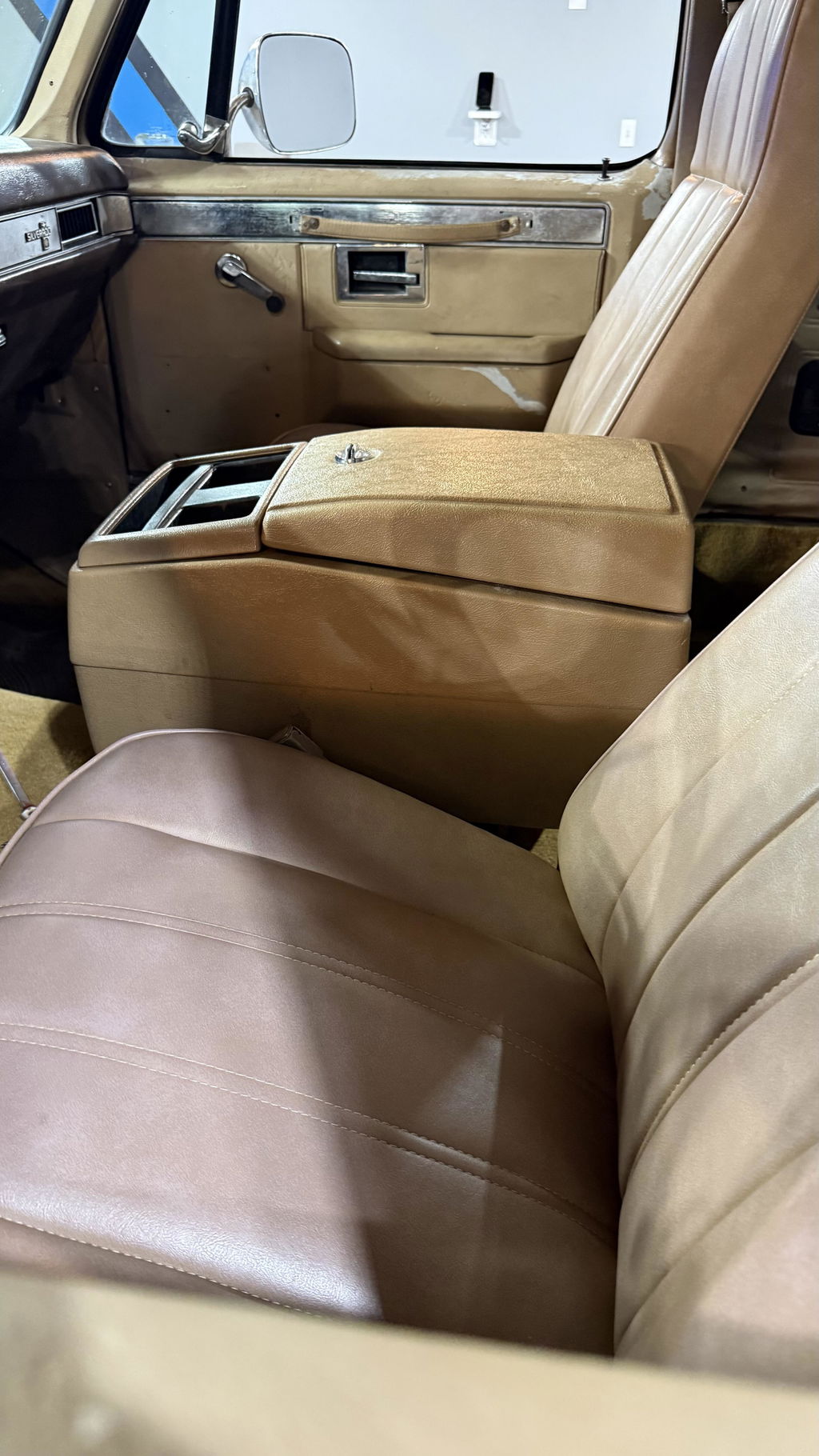
Squarebody interiors are simple, but they are not empty. Factory door panels, manual window hardware, window cranks, door rods, lower dash room, bench seats, and storage space all put limits on where audio equipment can go. This is where universal parts can turn a simple upgrade into a headache.
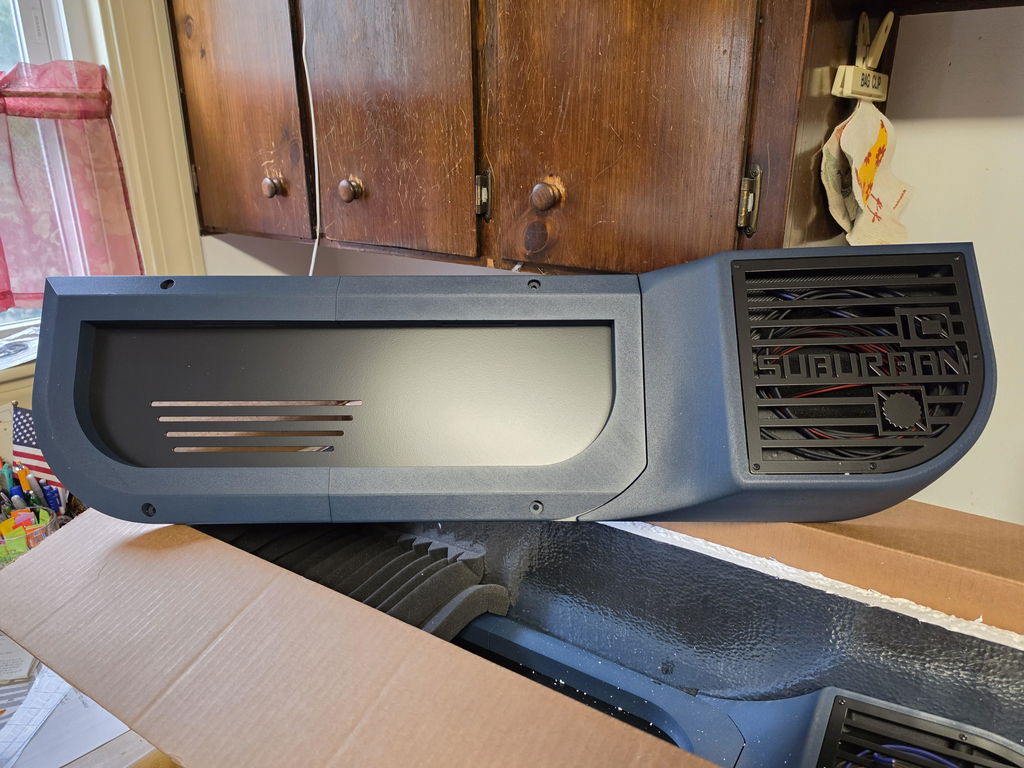
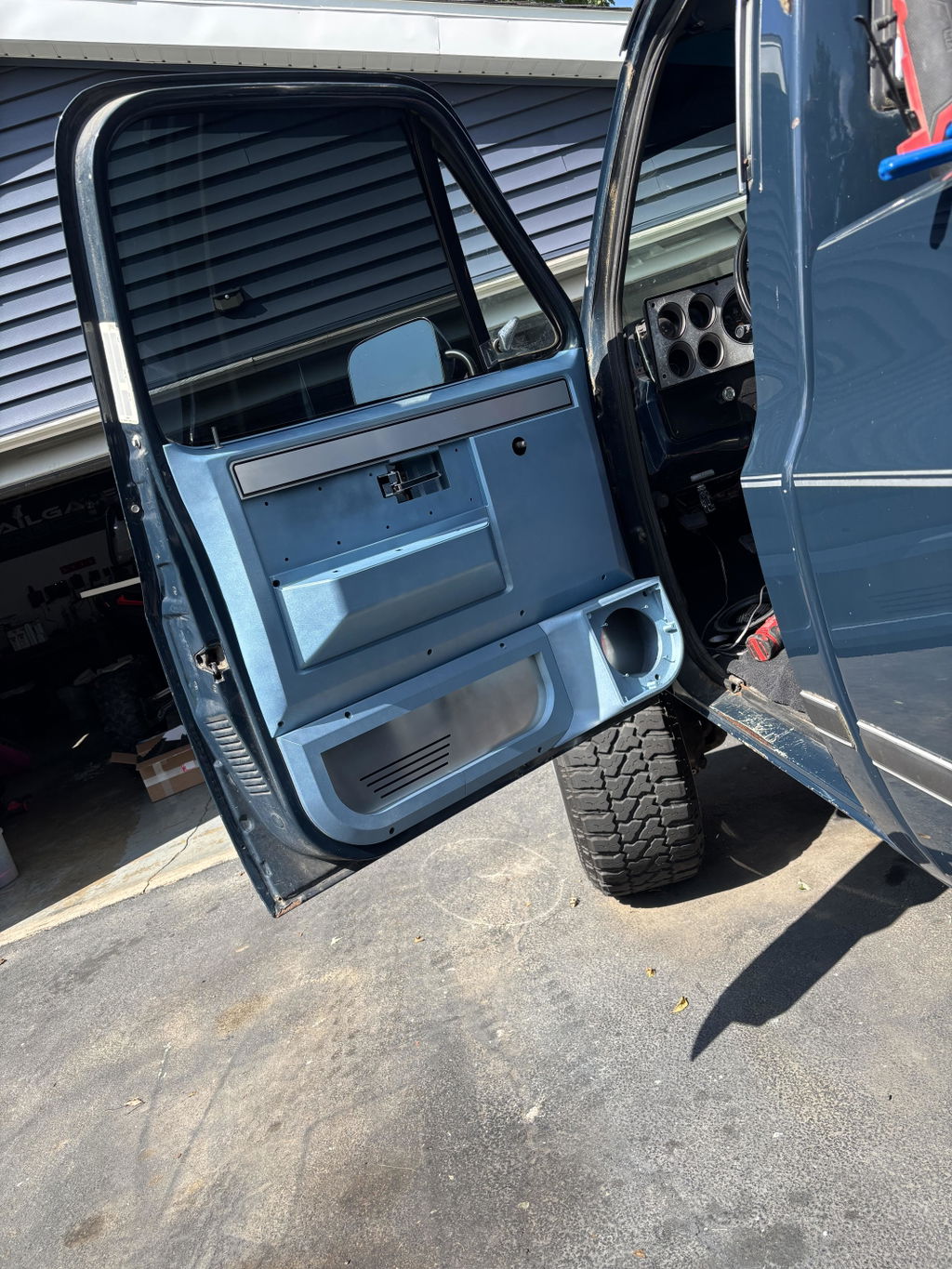
Cutting large holes in an original door panel might be fine for some builds. For plenty of owners, it is the last thing they want to do. Clean, direct-fit speaker solutions make a lot more sense when you want better front sound without hacking up factory-style panels. The speaker location still needs to clear moving door parts, fit the panel correctly, and hold the speaker solidly so it does not buzz or flex.
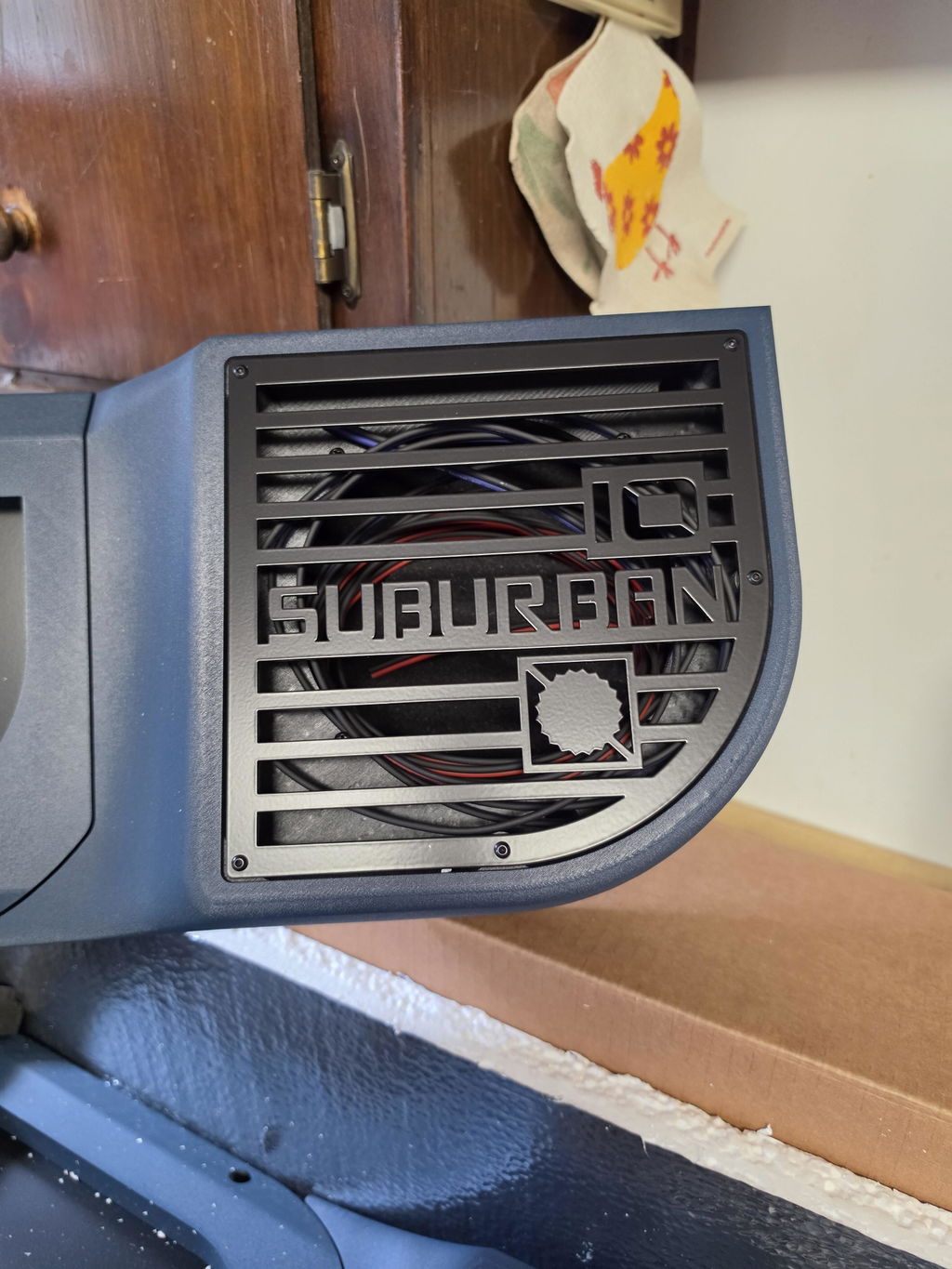
At Blazin' Biddles Off-Road, that is why we build Squarebody-specific lower door speaker panels around the actual cab and door layout. They are made to add 6.5-inch speakers without cutting the factory door panel. The point is not to make the install complicated. The point is to solve a real Squarebody problem cleanly.
The same thinking applies to console and cup holder upgrades. If an audio build adds a controller, charging ports, wiring, or simply more time behind the wheel, interior parts should still fit the cab like they belong there. A Squarebody does not need to look like a generic stereo catalog exploded inside it.
Preserve What You Can, Build What You Need
There is a trade-off with every install. Hidden equipment and factory-looking panels keep the interior clean, but may limit speaker size or subwoofer enclosure volume. Bigger bass systems can sound great, but they take room and add electrical demand. Door speakers improve front-stage sound, but only if the doors are treated and the speakers are mounted correctly.
A good installer will talk through those trade-offs before drilling holes or ordering equipment. That conversation saves money and prevents regret later.
Wiring Is Where Clean Installs Earn Their Keep
The wiring you do not see is usually what separates a dependable system from one that comes back with problems. Old trucks may have repaired harnesses, loose grounds, corroded connections, or years of add-on wiring from previous owners. Assuming everything under the dash is healthy is a gamble.
Power wire needs proper fuse protection close to the battery. Grounds need to be short, secure, and connected to clean bare metal. Signal cables should be routed thoughtfully, away from power wiring when possible, so the system does not pick up noise. Speaker wire needs to be protected where it passes through metal or moving parts. Every connection should be secure enough to survive heat, vibration, and years of opening and closing a truck door.
This is not glamorous work, but it is the foundation. A flashy subwoofer will not fix a weak ground. An expensive amplifier will not stay happy with undersized power wire. And no one wants to pull apart a finished interior because a shortcut was buried behind the dash.
For a Squarebody, it also pays to inspect the charging system before adding serious amplifier power. A modest setup may be fine with a healthy stock-style system. More power can require a closer look at battery condition, alternator output, main cable connections, and overall electrical health. The goal is not to sell more parts. It is to avoid building a system that outruns what the truck can support.
Sound Deadening Is Not Just for Show Trucks
Older GM trucks have a lot of broad metal panels, thin factory insulation, and road noise. That is part of their character, but it can work against your stereo. Sound deadening in the doors and other key areas helps reduce panel vibration and gives speakers a more solid surface to work from.
You do not have to cover every square inch of the cab to see a benefit. Door treatment is one of the best places to start when adding front speakers. It can cut down on rattles, improve midbass response, and make the truck feel more finished when the door closes.
It also helps you listen at a reasonable volume. Better sound is not always about turning the knob farther right. Clear speakers, decent tuning, and less unwanted noise make a bigger difference than most people expect.
Tuning Is the Last Step, Not an Afterthought
A system can be installed perfectly and still sound rough if it is not tuned. Amplifier gain is not a volume knob. Set too high, it can introduce distortion and shorten the life of speakers. Crossovers need to be set so smaller speakers are not forced to handle bass they cannot reproduce cleanly, while subs are not trying to play vocals.
The right settings depend on the equipment and the vehicle. A regular cab has a very different acoustic environment than a Suburban. Speaker placement matters. Enclosure design matters. Even the amount of carpet, insulation, and glass in the cabin changes what you hear.
A proper tune should sound balanced in the driver seat. Vocals should be clear. Bass should support the music instead of drowning it out. You should be able to turn it up without the system becoming harsh, muddy, or loose.
What to Ask Before Booking a Car Audio Install
Before you hand over the keys, ask practical questions. Does the installer understand the vehicle and the equipment being used? Will power wire be fused correctly? How will speakers be mounted and protected? Are they willing to explain the plan before the work begins? If it is a Squarebody, do they have a way to improve the sound without destroying the original interior?
For local owners in Paradise, Chico, and the surrounding Butte County area, professional installation is available for all makes and models. Squarebody owners get the added benefit of working with people who know the quirks of these trucks firsthand, from the door layout to the space limitations inside the cab.
The best audio build is not the loudest one in the parking lot. It is the one that fits your truck, stays reliable, looks right, and makes every drive better. Build it around how you use the rig, do the wiring once, and do not cut up good Squarebody parts unless there is a real reason to.