
Squarebody Build Ideas That Start With a Plan
A Squarebody can look tough sitting on old tires with a faded hood, but the builds that really hold together are the ones with a clear purpose. That is where good squarebody build ideas start. Before ordering parts, decide what you want the truck to do when it is finished: haul you to work, cruise on weekends, sit clean at a show, get used on the trail, or handle a little of all four.
A 1973-1991 Chevy or GMC truck gives you plenty of room to make it your own. The trick is keeping the upgrades pointed in the same direction. A slammed C10 on 20-inch wheels, a mild cam, and a bed full of recovery gear can all be cool parts. They do not always make sense on the same truck.
Start With the Truck You Actually Have
The best build plan works with the cab, bed, drivetrain, and condition of your truck instead of fighting them. A clean two-wheel-drive C10 or GMC 1500 makes a natural street truck. A K10, K20, K5 Blazer, Jimmy, or Suburban with a solid four-wheel-drive system may be better suited to a practical off-road build. That does not mean you cannot build outside the usual formula. It just means the truck will tell you where your time and money are best spent.
First, take an honest look at the foundation. Check the frame, cab mounts, floor, steering, brakes, wiring condition, cooling system, and the way the doors shut. A fresh set of wheels does not fix a truck that wanders all over the road or has bad grounds behind the dash. Get the basic condition sorted before you pile on accessories.
Year matters, too. The 1973-1987 conventional-cab pickups are commonly grouped together, while Blazers, Jimmys, and Suburbans continue through 1991. The 1987-1991 trucks use R and V model designations rather than C and K. When you buy interior, wiring, suspension, or body-related parts, confirm the exact year, model, body style, and drivetrain. “Squarebody” is a useful nickname, but it is not a fitment chart.
Squarebody Build Ideas by How You Use It
The clean, usable street truck
A street-focused build does not need to be a full show truck to feel finished. Start with stance, steering feel, brakes, and wheels that suit the truck. A modest drop on a C10 can sharpen the look without making it miserable to drive. Keep tire clearance in mind through turns and suspension travel. A truck that rubs every driveway gets old fast.
Inside, put your attention on the places you touch every time you drive it. A solid seat, working gauges, clean switches, decent weatherstripping, and a usable stereo go a long way. Squarebody cabs are simple, which is good, but they can also be loud and hollow. Sound deadener in the right areas and properly mounted speakers make a bigger difference than trying to overpower road noise with a huge system.
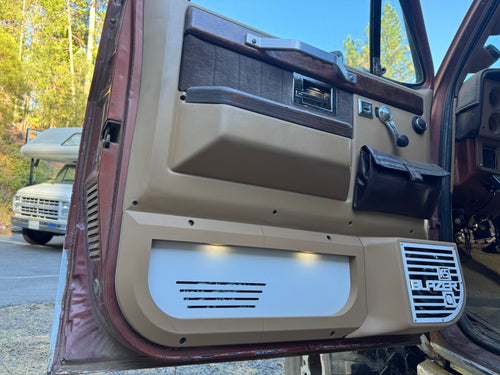
For owners who want better sound without cutting factory door panels, a Squarebody-specific lower door speaker panel is worth considering. A direct-fit, no-cut setup lets you add 6.5-inch speakers while keeping the original door panel intact. That matters even more if you have clean original interior pieces that are getting harder to replace.
The daily driver that still feels old-school
A daily-driven Squarebody needs dependable systems more than flashy parts. Focus on lighting, charging, grounds, wipers, door latches, HVAC operation, and audio that is clean enough to hear on the road. You do not have to make the truck modern. You just want it to start, stop, steer, and keep you comfortable enough that you will actually use it.
A center console lift or adjustable cup holder upgrade may not sound like a major build item, but it solves a real problem in these cabs. Factory layouts were built around a different kind of driving. Better cup placement, storage, and a cleaner place to route charging or audio wiring can make a truck easier to live with without changing its character.
Keep the electrical work tidy. Use proper wire size, fusing, grommets where wiring passes through metal, and solid grounds on clean metal. Old trucks are forgiving until somebody stacks years of questionable stereo wiring, trailer wiring, and accessory wiring behind the dash. Then you get dim lights, noise in the speakers, blown fuses, and a lot of head-scratching.
The trail-ready K-series build
A four-wheel-drive Squarebody does not need a giant lift to be useful. In fact, a moderate lift, good tires, healthy steering, and enough clearance for the terrain you run are usually more practical than chasing height. Taller trucks look good, but they also change steering angles, driveline angles, center of gravity, and the way the truck handles on the highway.
Build the suspension around use. A forest-road and camping truck has different needs than a truck that sees rocks, mud, or deep ruts. Think about recovery points, spare-tire access, lighting, underbody protection, and where you will carry tools. Make sure additions do not block airflow, interfere with suspension movement, or create wiring problems.
Do not ignore the cab on an off-road rig. A dependable audio system, secure storage, good interior lighting, and controls you can use with gloves on make long days better. Keep wiring protected from sharp edges, heat, water, and moving parts. Off-road vibrations find weak connections that never showed up in the driveway.
The show truck with a purpose
Show builds are where details make or break the finished look. The wheel and tire package, ride height, paint, trim, and interior need to look like they belong together. Pick a direction early. A clean original-style restoration, an '80s-inspired street truck, and a custom color-matched audio build can all work. Mixing every trend from every decade usually looks unfinished.
Color-matched interior parts can tie the cab together, especially when the truck has custom paint or a carefully chosen factory-style color scheme. Lighting should support the build rather than take over the whole interior. Done right, it gives the cab some depth at night. Done wrong, it turns every drive into a rolling light show.
If originality matters to you, save the parts you remove. Clean factory trim, door panels, radios, brackets, and hardware are worth hanging onto. Even if you never reinstall them, having them with the truck can be useful later. There is nothing wrong with modifying a Squarebody. Just do it in a way that respects how hard good original pieces are to find.
Build the Interior Before It Becomes an Afterthought
A lot of people plan wheels, tires, suspension, and exterior color for months, then treat the cab like the last item on the list. That is backwards if you drive the truck. You spend your time behind the wheel, looking at the dash, resting an arm on the door, and listening to whatever stereo is installed.
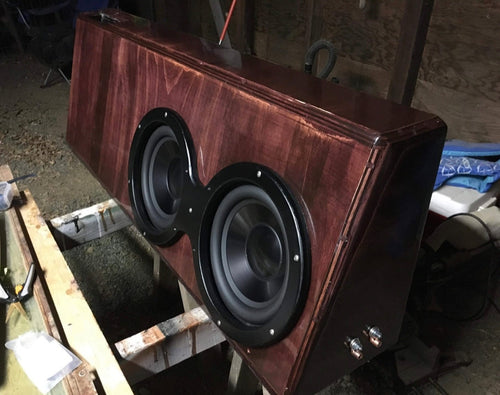
Start by fixing the obvious rattles, broken trim, loose seats, and worn seals. Then choose upgrades that solve a problem. Need speakers but do not want to cut original panels? Use a platform-specific panel. Need cup holders that work with modern drink sizes? Improve the console setup. Need more bass? Plan the enclosure and amplifier location before running wire so you do not sacrifice all your usable cab or cargo space.
Audio is also where “more” is not always better. A balanced system with good speakers, proper power, clean wiring, and sound treatment will usually be more enjoyable than a poorly planned system with oversized equipment. Match the system to your listening habits and available space. A regular-cab pickup, crew cab, K5, and Suburban all give you different options.
Spend Money Where It Changes the Whole Truck
The strongest Squarebody builds are rarely made from one giant purchase. They are built in stages, with each stage making the truck safer, more functional, or more enjoyable. Put the budget toward fitment, wiring quality, parts that take abuse, and upgrades you interact with every drive.
Be careful with universal parts. Some are fine for simple jobs. Others create hours of trimming, drilling, shimming, or rewiring just to make them look halfway right. A part designed around the Squarebody cab or chassis may cost more up front, but it can save time and keep you from cutting up pieces you cannot easily replace.
Take photos before you start, label every connector and bag of hardware, and do one system at a time when possible. That makes it easier to find problems and prevents the truck from becoming a long-term pile of half-finished projects.
Build the truck that makes you want to grab the keys. Maybe that is a clean C10 that rides low and sounds good. Maybe it is a K10 with mud on the rockers and recovery gear in the bed. Either way, choose parts that fit your truck, fit your plan, and are good enough to run when the road ends.
Shop the Part
For the console-and-audio side of a build like this, a cup holder combo and a no-cut door speaker panel both fit right in:
Need The Parts For This Build?
We carry everything mentioned in this guide — picked and backed by real Squarebody owners.
0 Comments
Leave a Comment