Which Squarebody Cabs Interchange in 1973-91?
Share
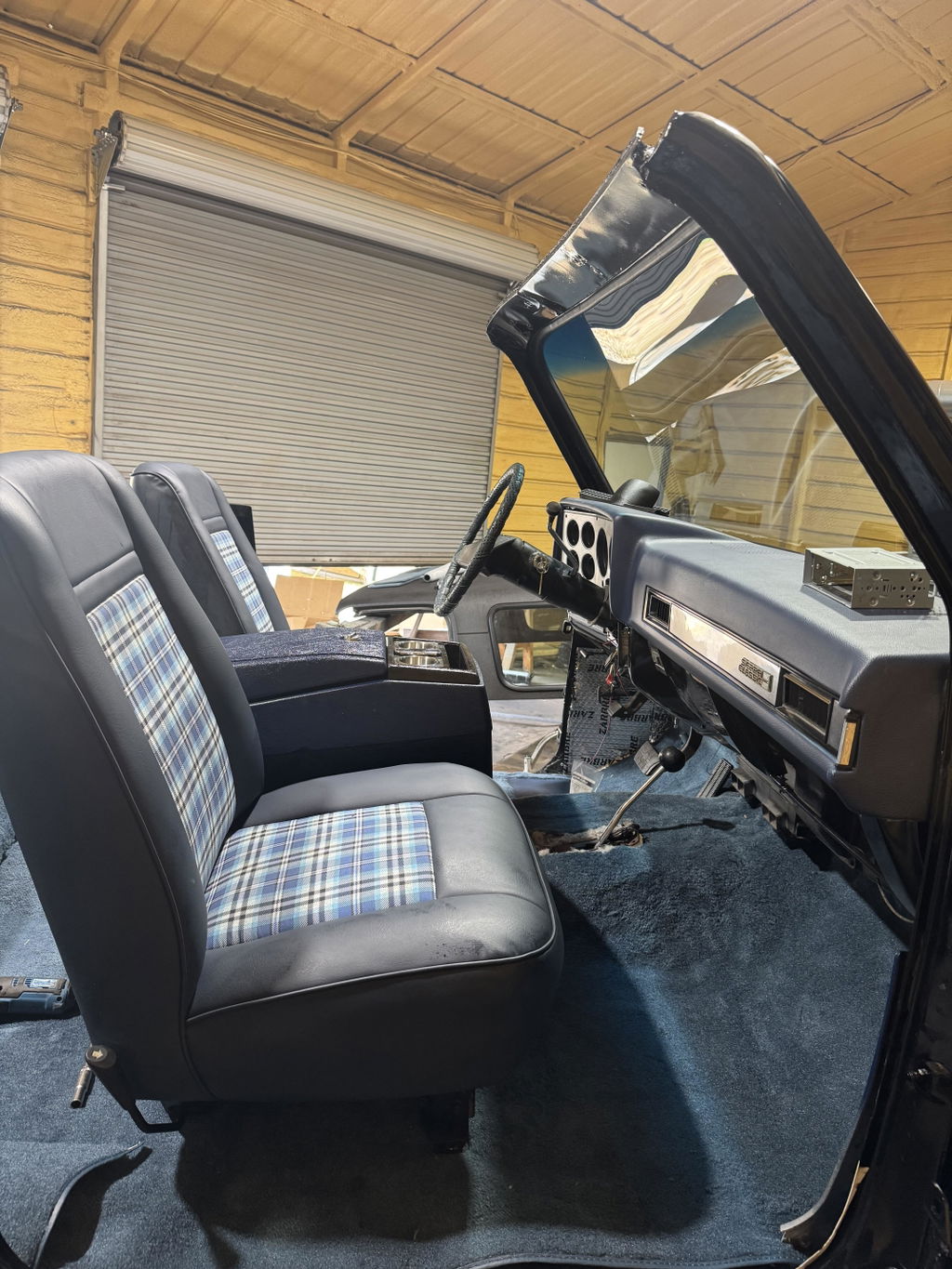
A clean donor cab can save a Squarebody project, but it can also turn into a pile of mismatched trim, wiring, and mounts if you buy the wrong one. When somebody asks which Squarebody cabs interchange, I start by separating the truck body styles first. A regular-cab pickup, a crew cab, a K5 Blazer or Jimmy, and a Suburban may share a lot of Squarebody DNA, but they are not all the same cab swap.
The short answer is that 1973-1991 Squarebody-based regular pickup cabs have the broadest interchange range. The longer answer matters before you drag a donor home.
Which Squarebody Cabs Interchange With Regular Pickups?
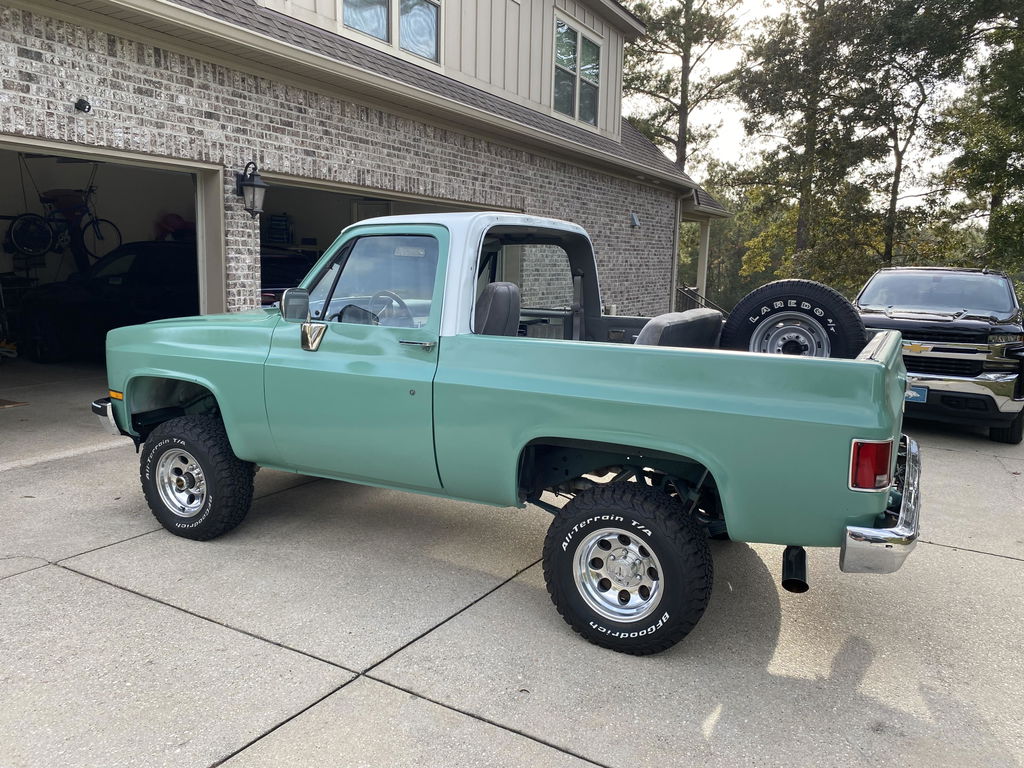
For conventional regular-cab Chevy and GMC pickups, the basic cab shell is shared across the Squarebody generations. A 1973-1987 C/K pickup cab can generally be used on another 1973-1987 regular-cab pickup chassis, and the carryover 1988-1991 R/V pickups use the same Squarebody cab family.
Chevy versus GMC does not change the cab shell. Grilles, emblems, trim packages, and interior details may be different, but a comparable Chevy or GMC regular cab is a valid donor candidate. Short-bed and long-bed trucks use the same regular cab as well. The wheelbase is behind the cab, so bed length is not the deciding factor for a cab swap.
Two-wheel-drive and four-wheel-drive trucks also share the basic cab structure. Still, do not treat that as a promise that every part under the cab will transfer without work. Your transmission setup, transfer-case shifter, pedal arrangement, steering column, wiring, and floor openings need to match the build you are putting together.
The biggest trap is the 1988-1991 model years. Chevrolet and GMC introduced the newer C/K body style in 1988, while the old Squarebody pickup continued as the R/V line. If you are shopping for a 1988, 1989, 1990, or 1991 donor, make sure it is an R/V Squarebody truck, not a newer C/K truck. Those newer C/K cabs are a different body design and are not a Squarebody cab swap.
1973-76 and 1977-91 Cab Differences
Early and later Squarebody regular cabs are close enough that a cab shell can be used across those years, but this is where a simple swap stops being simple. The cab is only one piece of the job. Dash components, door parts, interior trim, wiring, gauge setups, HVAC details, and exterior trim changed through the Squarebody run.
A good approach is to use the donor cab for its solid structure, then move the year-correct parts from your original truck wherever possible. That keeps the finished truck looking like the year it is supposed to be and cuts down on surprises during reassembly.
Pay attention to what is still attached to a donor. A bare cab may look cheap until you add up missing doors, glass, regulators, dash parts, trim, and hardware. On the other hand, a complete cab with a rough floor or rotten windshield channel is usually not the bargain it first appears to be.
Before buying, inspect the areas that create the most work:
- Cab mount areas and the lower rear corners of the cab
- Floor pans, especially under the mat or carpet
- Windshield channel, drip rails, and roof seams
- Door hinge areas, striker condition, and the bottom edges of the doors
Crew Cabs Do Not Interchange With Regular Cabs
A Squarebody crew cab is its own body style. It is not a regular cab with a pair of rear doors added behind it. The roof, floor, rear wall area, rear doors, and mounting arrangement are all specific to the crew cab body.
That means a regular pickup cab is not a practical donor for a crew cab project, and a crew cab shell does not simply bolt onto a regular-cab frame as a conversion. If you own a crew cab, look for another Squarebody-based crew cab donor and expect to use crew-cab-specific parts where they belong.
This matters inside the truck too. Rear doors on a crew cab are not the same as Suburban rear doors. If you are planning audio upgrades, do not order around a guess based on the number of doors alone. The door shape and available mounting space are different.
K5 Blazer, Jimmy, and Suburban Bodies Are Different
A K5 Blazer or Jimmy may look like a pickup from the windshield forward, but it does not have a removable pickup cab. Its front cab section and rear body are part of one body assembly. The same basic idea applies to a Suburban. It is a complete enclosed body, not a pickup cab with a roof added over the bed.
So, no, a regular pickup cab is not a direct cab donor for a K5, Jimmy, or Suburban. The front doors and various interior pieces can share similarities depending on year and application, but that is a parts-fitment question, not a cab interchange question.
Suburbans and crew cabs are another common point of confusion. Both have four doors, but their rear doors and rear body structures are different. Treat them as separate applications whenever you are buying door parts, seals, interior panels, or speaker mounts.
Cab Interchange Does Not Mean Interior Interchange
This is the part that catches people after the cab is already sitting on the frame. A cab shell may interchange, while its doors, door panels, dash, wiring, or trim do not match what you planned to reuse.
For door audio, start with the actual truck and actual door year in front of you. BBOR V.2 Door Speaker Panels are built for 1973-1991 front doors. They are a good option when you want 6.5-inch coaxial speakers in the doors without cutting up original panels.
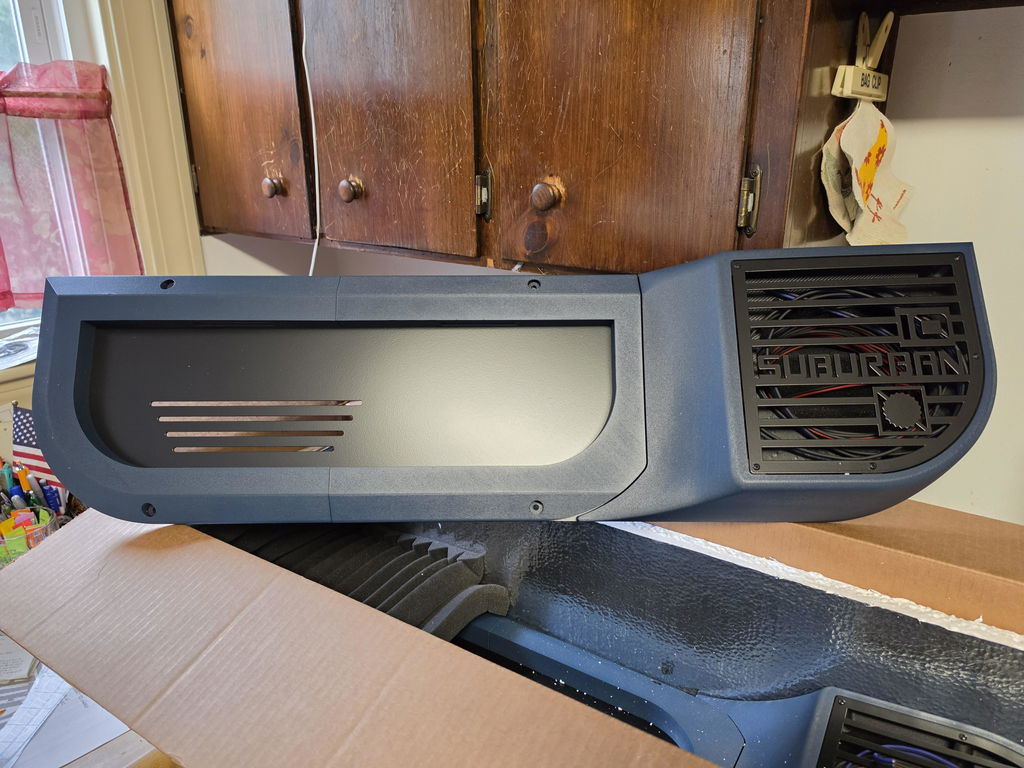
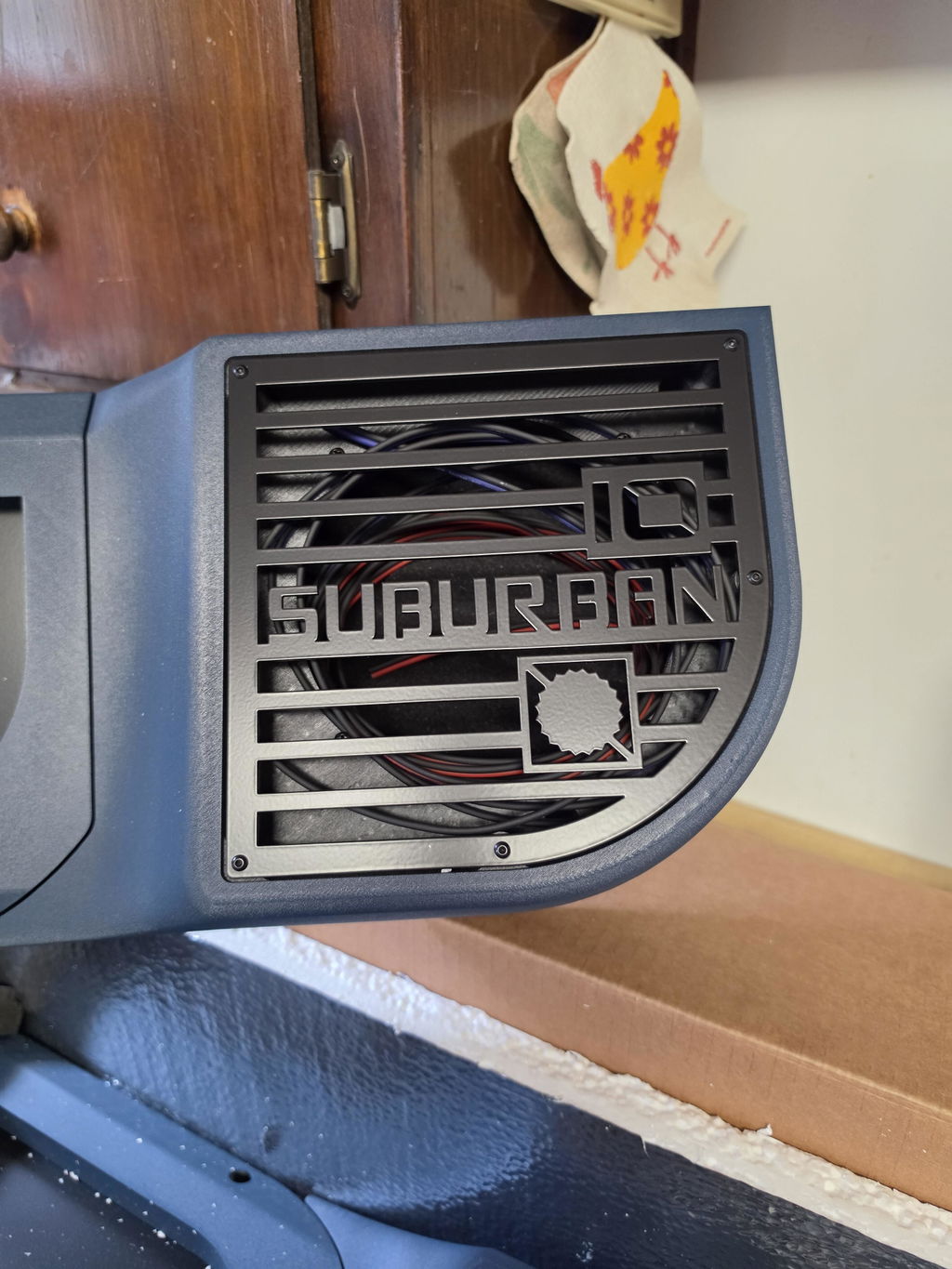
The BBOR V.3 Door Speaker Panels are for 1977-1991 applications and can be built as front, rear, or four-door sets. Front and Suburban rear door panels use 6.5-inch speakers, while crew-cab rear door panels use 5.25-inch speakers. That difference is exactly why “four-door Squarebody” is not enough information to order from.
These panels were designed to solve a real Squarebody problem: factory door panels are worth saving, but factory speaker locations leave a lot to be desired. The panels mount without requiring you to cut the original door panel, and each set ships with my Squarebody wiring cheat sheet. All printed BBOR parts are ABS-GF and carry a three-year warranty.
Plan the Swap Around the Truck You Are Building
Before you commit to a donor cab, decide whether you are restoring the truck to its original year, building a driver, or combining the best parts from several trucks. There is no wrong answer, but the parts list changes depending on the goal.
For a year-correct build, keep as much of your original interior, wiring, and trim as the condition allows. For a driver or trail rig, a later cab can be a smart structural donor if you are prepared to transfer the parts needed to make the interior and electrical system work together. Either way, take photos before disassembly. Squarebody hardware and small brackets have a way of looking obvious until six months later.
If you are trying to identify a cab, door, or interior setup before ordering speaker panels, text a clear photo of the truck and door to 530-327-8811. A five-minute fitment check beats ordering a part around an assumption.
The best donor is not always the closest one or the cheapest one. It is the cab that gives you the least rust, the right body style, and the fewest compromises once your own Squarebody parts start going back on it.