Squarebody VIN Decoding Questions Answered
Share
A truck listed as a 1986 K10 might have 1985 doors, a swapped cab, a later engine, and a title that tells a different story than the grille. That is why Squarebody VIN decoding questions come up before a purchase, during a restoration, and halfway through a parts order. The VIN is the starting point, not the final word.
For 1973-1991 Chevy and GMC trucks, K5 Blazers, Jimmys, Suburbans, and crew cabs, a correct VIN read can confirm the vehicle’s original identity. It can also save you from ordering for the wrong year, drivetrain, or body type. But a VIN cannot tell you everything that has happened to a truck over four decades of work, trail use, repairs, and parts swapping.
What a Squarebody VIN can tell you
The VIN was assigned when the truck left the factory. Depending on the year, it can identify the manufacturer, vehicle series, drive configuration, body style, engine originally installed, model year, assembly plant, and production sequence number.
That is useful information when you are sorting out whether a truck began life as a two-wheel-drive C-series or four-wheel-drive K-series, whether it is a pickup, utility vehicle, or Suburban, and whether the engine in it now is likely original. It also gives you a foundation for checking the title, dash tag, door-jamb label, build information, and any paperwork that came with the truck.
What it does not do is tell you which transmission, transfer case, axles, gears, interior trim, radio, wheels, lift height, or speaker setup is in the truck today. Squarebodies get modified because they were built to be used. A VIN decodes the truck’s factory starting point, not every part bolted onto it since.
The first question: is it a 13-digit or 17-digit VIN?
This is where a lot of online VIN decoders cause confusion. Vehicles built for the 1981 model year and later use the modern 17-character VIN format. Most 1973-1980 Squarebodies use an earlier, shorter VIN format, commonly 13 characters.
Do not force an older truck’s VIN into a decoder built only for 17-digit numbers. It may reject the number, fill in incorrect details, or make it look like the tag is wrong when the format is simply different.
For an 1981-1991 truck, count every character carefully. The ninth character is typically a check digit used to validate the VIN. The tenth character identifies the model year, and the eleventh identifies the assembly plant. The final characters are the truck’s production sequence.
For a 1973-1980 truck, the characters are arranged differently. You still get useful information, but the year-specific breakdown matters more. A decoder or reference chart needs to match the exact model year and manufacturer. Chevy and GMC trucks share plenty of mechanical DNA, but their VIN coding should not be treated as identical by default.
Watch for characters that are easy to misread
Old tags, dirty windshield plates, faded paperwork, and handwritten VINs create mistakes fast. The most common trouble is mixing up zero and the letter O, or one and the letter I. Modern VIN formats avoid certain letters, but do not guess based on what looks right.
Read the number from the physical vehicle first, then compare it to the title and registration. If one character differs, stop there and figure out why before relying on a decoded result. A typo in an online search can turn a solid K5 into a mystery truck in a hurry.
Where should the VIN be on a Squarebody?
On most Squarebodies, the main VIN plate is visible through the windshield on the driver-side dash. That is the number that should match the title. Depending on the year and application, you may also find identifying labels or stampings elsewhere on the vehicle.
The driver-door area can have a manufacturer label with production and weight information. It is helpful, but condition varies wildly after years of sun, paintwork, replacement doors, and body repairs. A replacement door can carry a label that does not belong to the truck, so do not use a door label by itself to establish identity.
Frame stampings can be useful on some trucks, but they are not always easy to access or read. Dirt, rust, undercoating, repairs, and aftermarket modifications can hide them. If a truck has a VIN concern, do not assume a hard-to-find frame stamp means something is wrong. Verify the visible dash VIN, paperwork, and other factory identifiers before drawing conclusions.
C10, K10, R10, and V10 questions get complicated
The letters and numbers on the fender can be misleading because badges are easy to change. The VIN is more useful, but it still needs to be read in the context of the model year.
Generally, C-series refers to two-wheel drive and K-series refers to four-wheel drive. In the later Squarebody years, GM moved to R for two-wheel-drive trucks and V for four-wheel-drive trucks. That change overlaps with the 1987 transition period, which is why people often call these trucks 1987 R/V Squarebodies even though the body style is familiar.
A badge saying K10 does not prove the truck began as a K10. A VIN suggesting two-wheel drive does not mean a conversion never happened. Look at the front suspension, frame, transfer case setup, axle arrangement, and other physical evidence if the drivetrain matters to your build or purchase. The VIN tells you what it was born as. The truck in front of you tells you what it is now.
Why the engine code matters, and why it is not enough
An engine-related VIN character can identify the engine family installed at the factory. That is valuable when you are trying to understand original configuration or compare the truck to its build information.
It does not confirm the engine currently under the hood. Small-block swaps, big-block swaps, diesel conversions, replacement long blocks, and later-model engines are common Squarebody territory. Even a truck that looks untouched may have had several engines over its life.
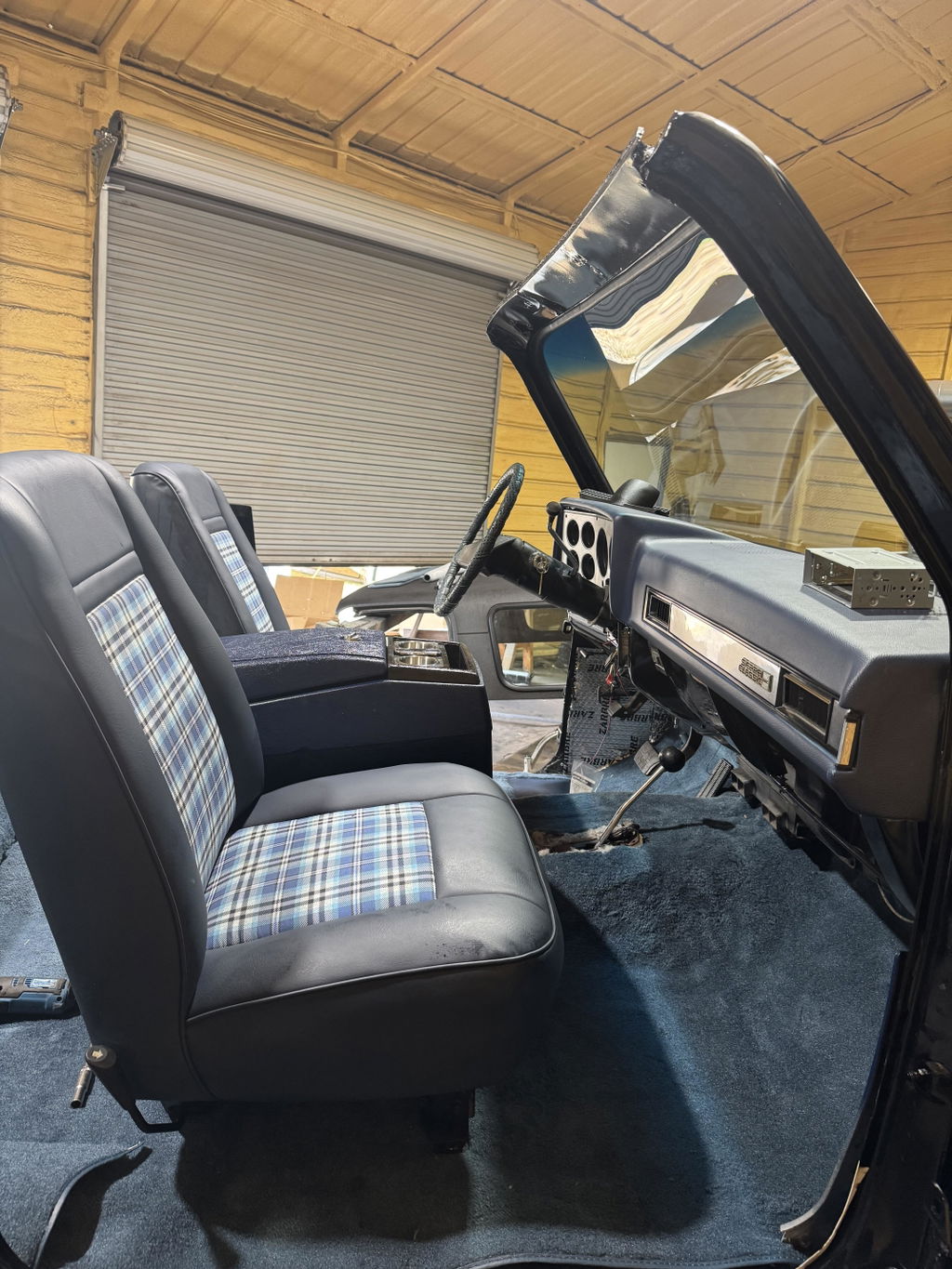
If you are ordering engine-specific parts, use the actual engine casting information and what is physically installed. If you are ordering interior parts, use the truck’s actual cab, door, and console setup. A VIN alone cannot tell you whether somebody changed the doors, replaced the console, or mixed trim from another year.
Squarebody VIN decoding questions for parts fitment
A VIN is helpful for narrowing a truck down, but it is not always the best fitment tool. Photos and measurements often settle the questions that a VIN cannot.
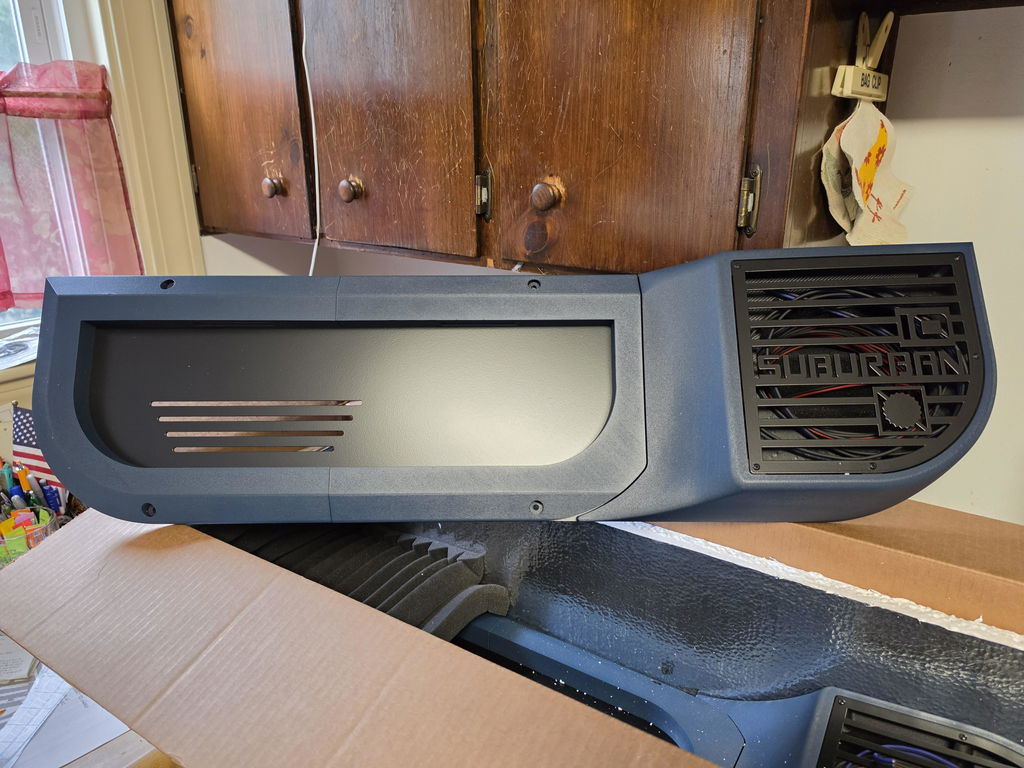
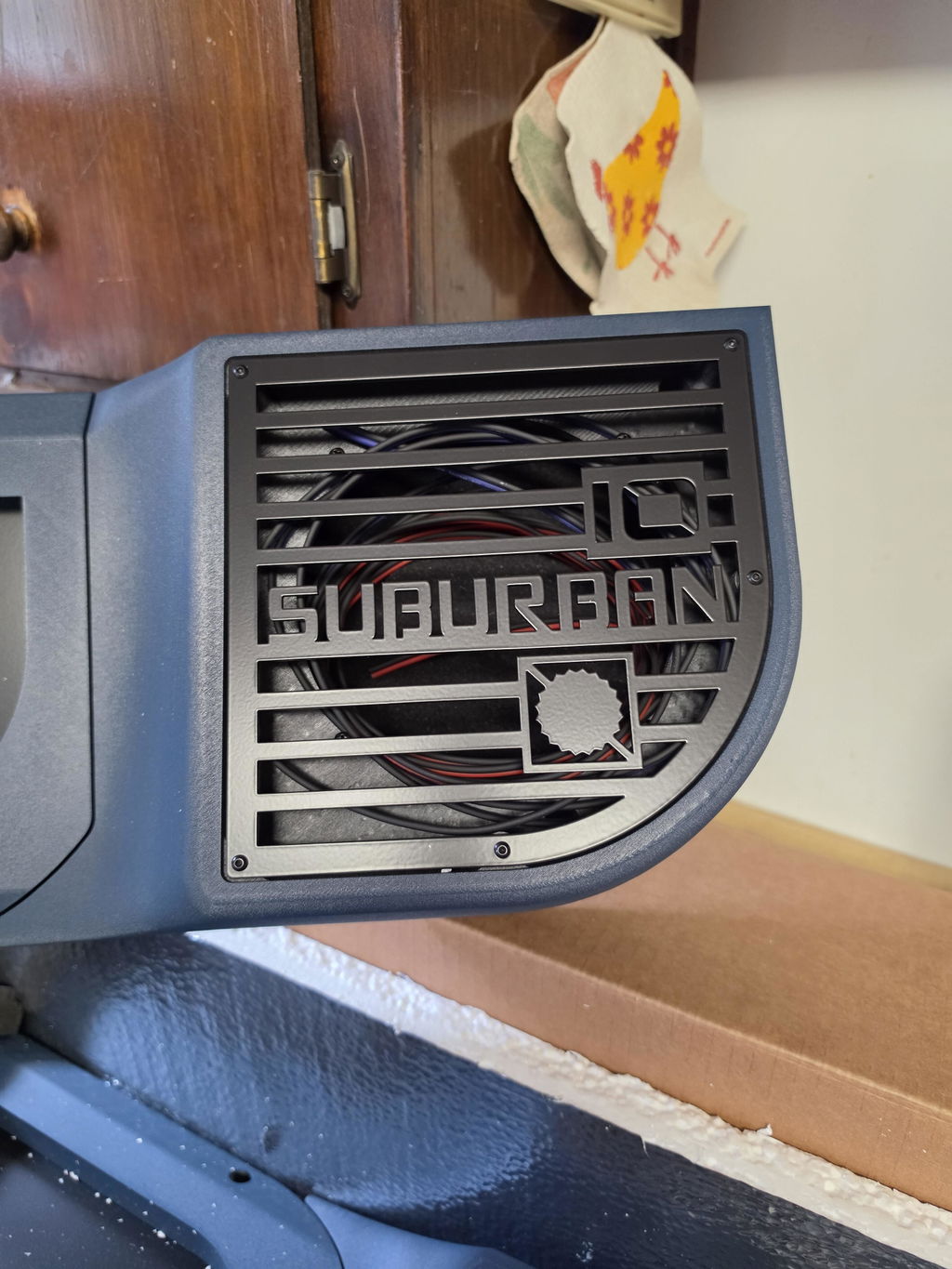
Door speaker panels are a good example. A truck may decode as a certain year, but the doors may have been swapped. BBOR V.2 Door Speaker Panels are built for 1973-1991 front doors, while BBOR V.3 Door Speaker Panels are for 1977-1991 applications and can be set up for front, rear, or four-door use depending on the truck. The door style and cab matter as much as the VIN.
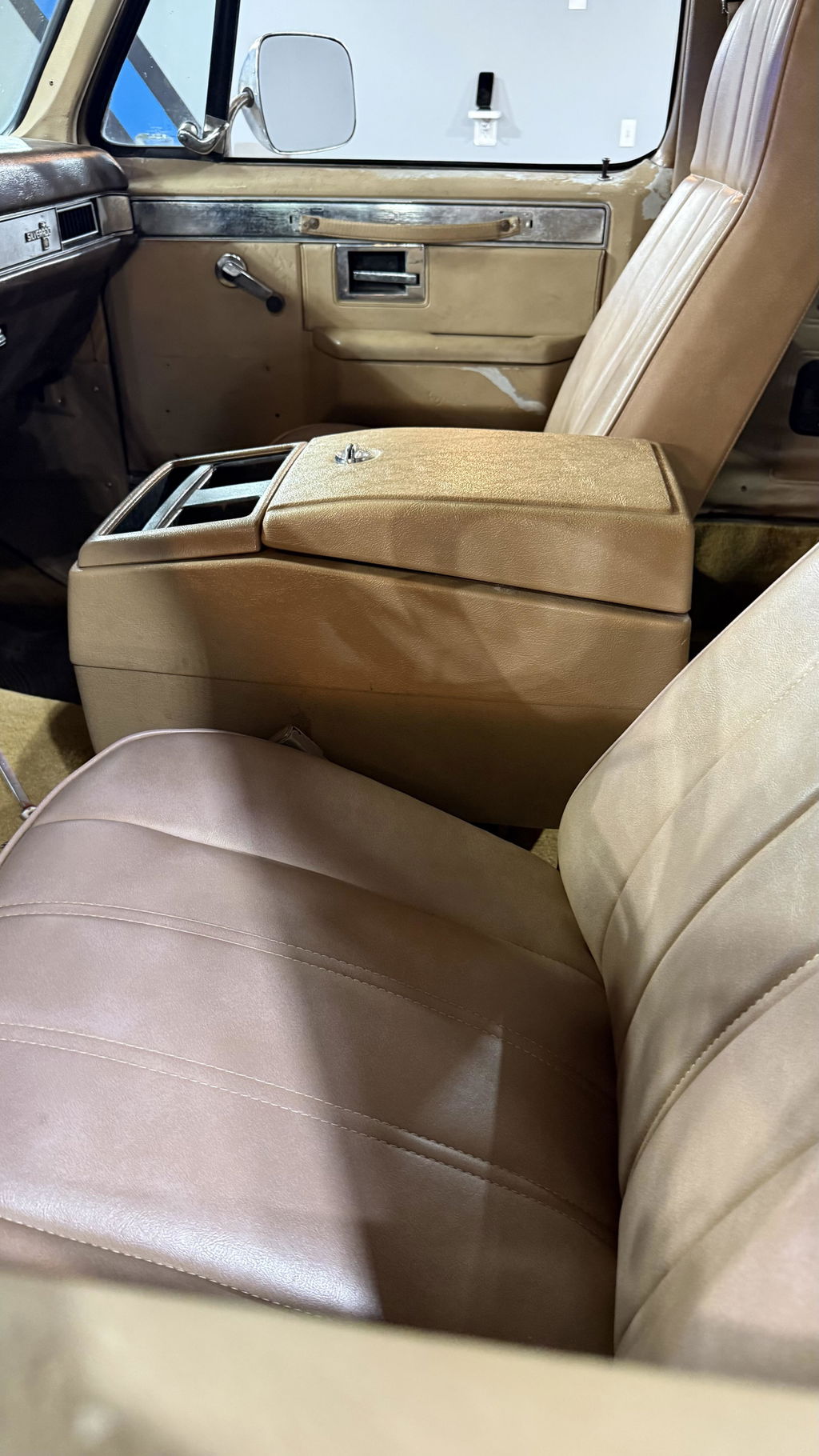
The same goes for K5, Jimmy, and Suburban console parts. The BBOR 5-inch Console Lift and Adjustable Cup Holder are made for 1981-1991 factory consoles in those vehicles. A VIN can help confirm the year range, but a photo of the actual factory console is the smart move before ordering. Trucks this old deserve verification instead of assumptions.
If you are unsure what you have, text a clear photo to Justin at 530-327-8811. Get the dash VIN plate, the area you are working on, and a wider shot of the truck if possible. That makes it easier to sort out whether you are dealing with original parts, swapped parts, or a mix of both.
Do not use the VIN as a shortcut around a real inspection
A clean VIN decode can make a listing sound convincing, but it cannot inspect rust, wiring, title condition, body repairs, or drivetrain work. It cannot tell you whether the dash has been cut up for an old radio, whether the door panels are original, or whether the truck has been sitting with mice in the heater box.
Use the VIN to ask better questions. Does the title match the dash tag? Does the stated year match the VIN format? Does the claimed drivetrain match the actual truck? Do the body, cab, and doors look like they belong together? Those answers matter more than a decoder page that spits out a few factory codes.
A Squarebody with swapped parts is not automatically a bad truck. Sometimes it is a well-used rig with decades of practical upgrades. Just know what you are working with before you plan the build. Read the VIN, inspect the truck, and let the actual parts in front of you make the final call.