How to Prepare Your Squarebody for Trails
Share
A Squarebody can look ready for the trail sitting in the driveway and still turn a good day into a long one. The goal when you prepare a Squarebody for trails is not to build a showpiece or throw parts at it. It is to know what your truck does well, fix what is questionable, and make the cab work for the way you actually use it.
Whether it is a K5, Jimmy, Suburban, crew cab, or pickup, an older GM truck rewards a little honest shakedown work. These trucks are simple enough to inspect yourself, but age, previous repairs, and years of use mean no two of them are exactly alike.
Start With the Truck You Have
Before planning a trail route, take the truck on a local drive that includes pavement, a rough road, and some hills. Listen to it with the radio off. Pay attention to temperatures, steering feel, vibration, charging behavior, and anything that changes when the truck gets hot.
That drive tells you more than an afternoon spent staring at parts online. A truck that pulls to one side, gets hot at low speed, has a new vibration, or leaves a fresh puddle needs attention before it gets farther from town. Trail preparation is mostly about handling the small stuff while you have a level driveway, tools, and time to think.
Do a good visual inspection underneath as well. Look for wet spots, loose hardware, damaged wiring, tired rubber, and anything hanging lower than it should. If your truck has been modified over the years, check the work that is easy to forget: accessory wiring, battery cables, hose routing, mounts, and clamps. A clean install is easier to troubleshoot later, especially after a dusty day on a washboard road.
Tires Matter More Than Most Trail Add-Ons
Your tires are the part of the truck that actually meet the ground, so start there. Look for sidewall damage, weather checking, uneven wear, and old repairs. Make sure the spare is usable and inflated, not just present under the truck or behind a seat.
Set pressure for the terrain and the tire you are running, then bring a way to check it and air back up afterward. There is no single trail pressure that works for every Squarebody. Vehicle weight, tire construction, trail conditions, and how hard you drive all change the answer. The point is to make adjustments deliberately, not guess because somebody else's setup worked on a different truck.
It also helps to know where your jack works before you need it. A lifted truck, uneven terrain, and a loaded cab can make a routine tire change less routine. Check your lug wrench, your spare retention, and the tools you would need to get moving again.
Keep Cooling and Electrical Problems Out of the Day
Slow trail speeds work an engine differently than cruising down the highway. There is less airflow, more heat under the hood, and more time for a weak cooling system to show itself. Watch the temperature gauge on your shakedown drive, especially while idling or climbing at low speed. Inspect coolant hoses and connections for seepage or swelling, and make sure the radiator area is not packed with dirt or debris.
The same goes for the charging system. An older truck may run fine until you add lights, a stereo, a phone charger, and several hours of low-speed driving. Check battery terminals, cable condition, and grounds. A loose or corroded connection can act like a major problem when it is really a five-minute fix at home.
Bring basic fluids that make sense for your truck and inspect levels before leaving. If it has a known leak, do not pretend it will become less of a leak because the trail is calling. Fix it or understand exactly what you are dealing with and plan accordingly.
Carry Recovery Gear You Understand
Recovery gear is not decoration for a bumper or a pile of mystery straps under the seat. Carry gear appropriate for the kind of terrain you plan to run, make sure it is in good condition, and understand its ratings and intended use. Inspect your truck's recovery points before a trip instead of discovering a problem after it is stuck.
A shovel, gloves, basic hand tools, a flashlight, drinking water, and a first-aid kit are not exciting purchases, but they earn their place quickly. So does a paper map or an offline map option when service disappears. Let somebody know where you are going, particularly if you are heading into a remote area with one truck.
Pack the useful stuff where it stays put. A loose tool bag or cooler becomes a problem the first time the truck leans over or drops into a washout. Keep the items you may need quickly within reach, and secure the rest.
Make the Cab Work on a Trail Day
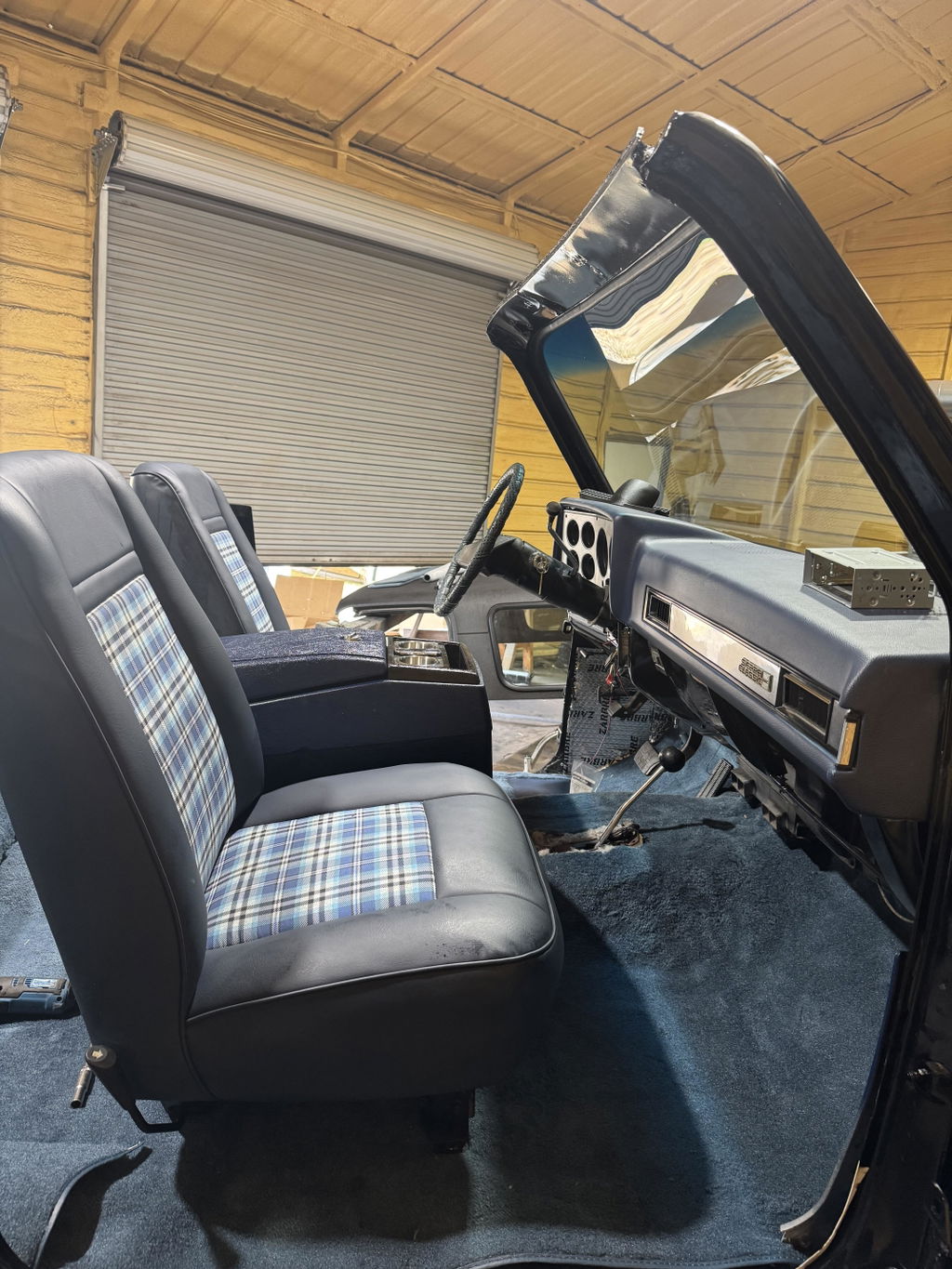
Trail preparation is not all under the hood. A Squarebody interior has to handle dust, movement, drinks, radios, tools, passengers, and the little things that normally disappear under a seat. A clean, organized cab makes a long day better and lets you focus on driving instead of chasing gear around the floorboard.
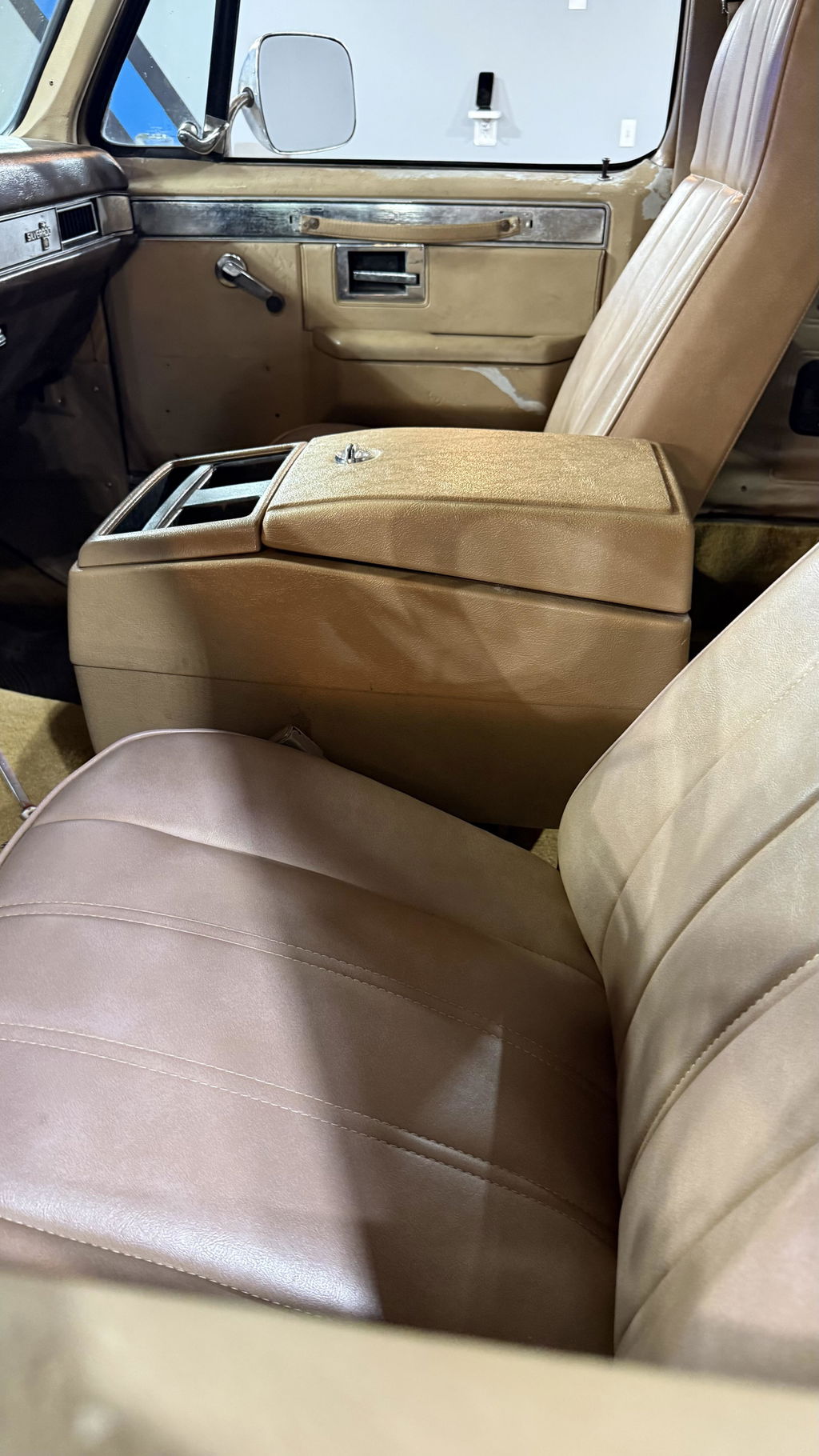
For 1981-1991 K5 Blazers, Jimmys, and Suburbans with the factory console, the low factory armrest is one of those details that gets old fast. The BBOR 5-inch Console Lift bolts to the factory mounts with no cutting or drilling. It raises the armrest to a more useful height and creates room below for an amp or controller. It is a simple change, but it makes the factory console feel like it belongs in a truck you use now.
The matching Adjustable Cup Holder replaces the factory square cup holders without trimming and installs as a drop-in part. It holds anything from a canteen down to a 12-ounce can, which matters when the road into the trailhead is rough enough to toss a drink around. The lift and cup holder are built for the factory console only, so if your setup is different, confirm what you have before ordering.
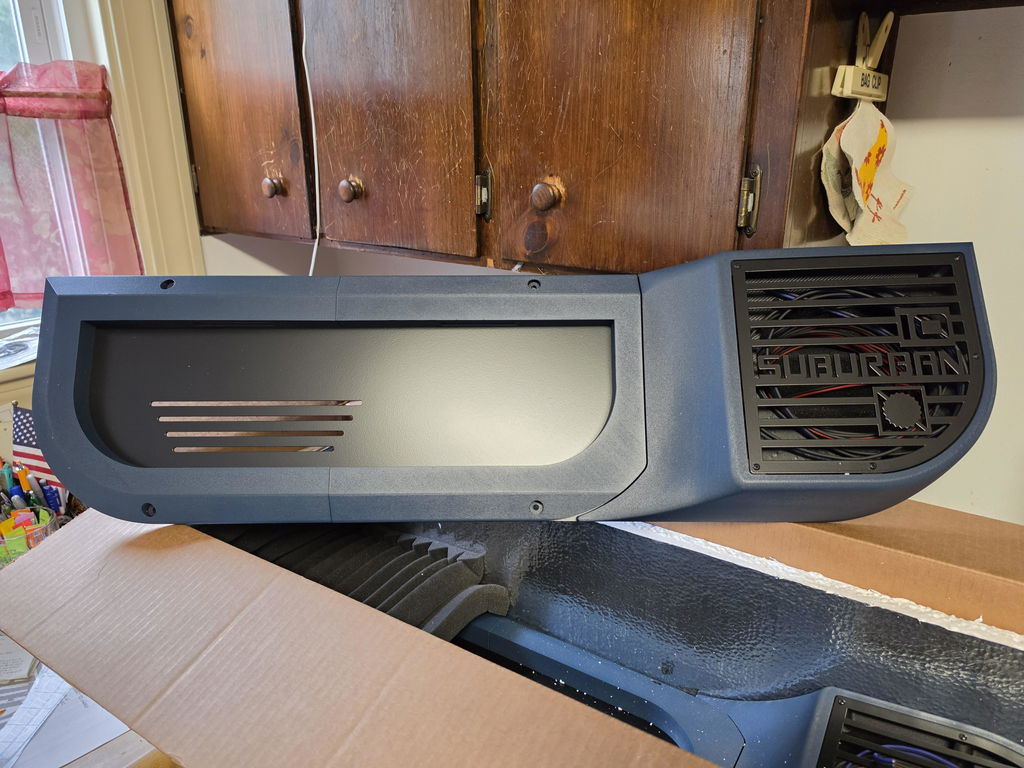
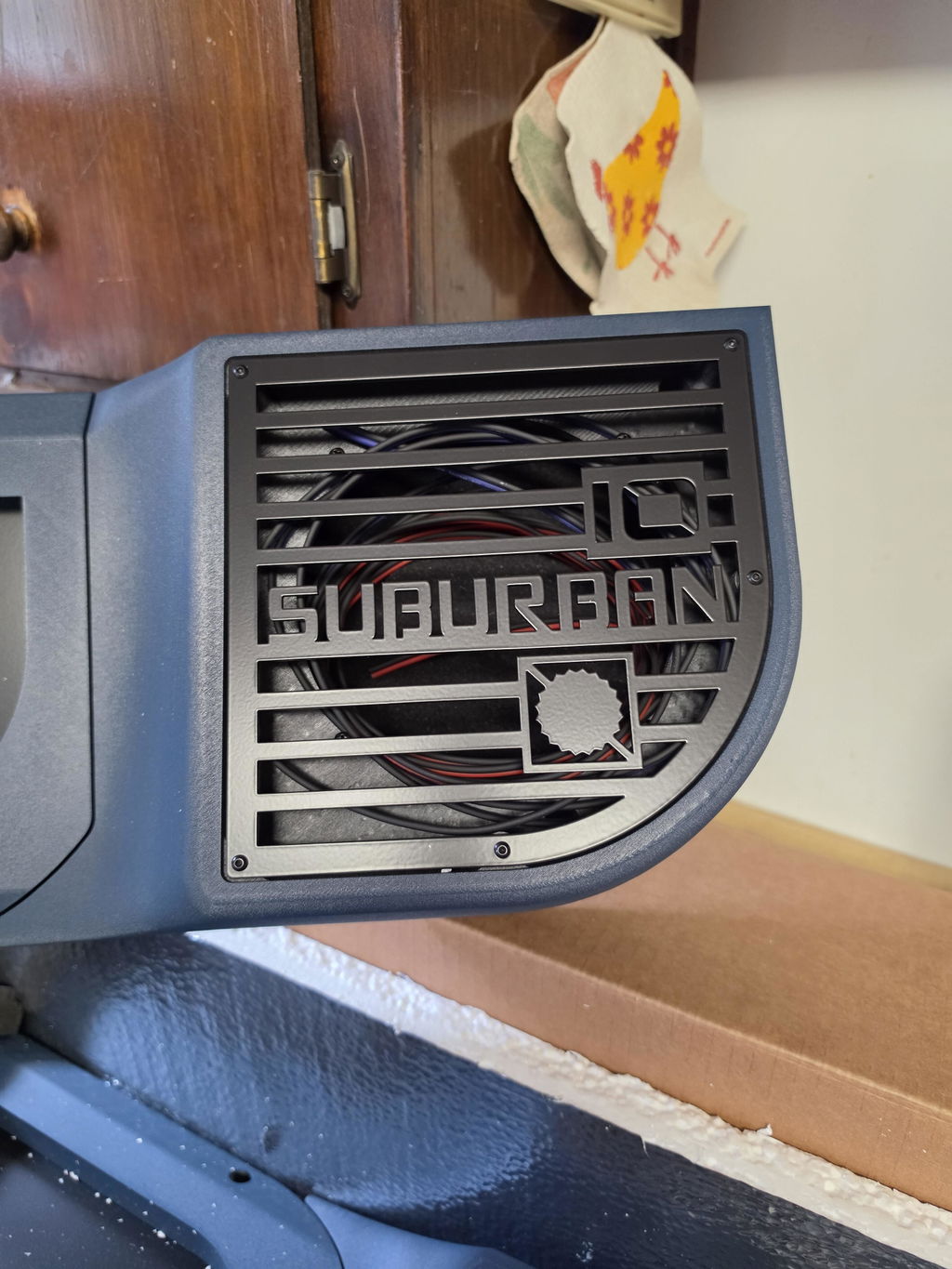
Good audio is useful on a trail day too, but not because you need the loudest truck in camp. Clear sound and a reliable connection make the drive out more enjoyable, and door speakers can take the pressure off the weak factory dash location. The catch is that most speaker upgrades want you to cut into original door panels, which is not something every Squarebody owner wants to do.
BBOR V.2 Door Speaker Panels fit 1973-1991 front doors and are available in Base, Premium, and Fully Loaded configurations for 6.5-inch coaxial speakers. For 1977-1991 trucks, V.3 Door Speaker Panels are available as front, rear, or 4-door sets. They use 6.5-inch speakers in front doors and Suburban rear doors, while crew cab rear doors use 5.25-inch speakers. Both panel designs give you a direct-fit lower-door speaker location without cutting up the original door panel.
Choose magnetic no-drill or bolt-on mounting for V.3 panels based on how you use the truck and what you want from the install. Color matching and available finish options let the panels look intentional instead of like an afterthought. Every printed BBOR part is ABS-GF, and BBOR parts carry a 3-year warranty. Panel sets also ship with my Squarebody wiring cheat sheet, because wiring colors and old truck repairs can get confusing in a hurry.
Run a Short Shakedown Before the Real Trip
Do not make the first trail run the first time you test a repair, a new stereo, or a freshly packed loadout. Take the truck out for a shorter local run and use everything as you packed it. Does the spare come out? Can you reach the recovery gear? Is the cup holder holding the drink you actually carry? Does the stereo stay clear over road noise? Are your tools secured?
This is also the time to check door speaker panel fitment, wire routing, and any interior rattles. A truck that sees washboard roads will find a loose screw or unsecured cable eventually. Better to find it close to home than twenty miles into a forest road.
If you are unsure which door panels fit your truck or need a second set of eyes on your interior, text a photo to Justin at 530-327-8811. Getting the right part for the right door is easier than trying to make the wrong one work.
The best trail rig is not the one with the longest parts list. It is the Squarebody you know well enough to trust, packed in a way that makes the day easier, and maintained well enough that you can spend your time looking through the windshield instead of under the hood.