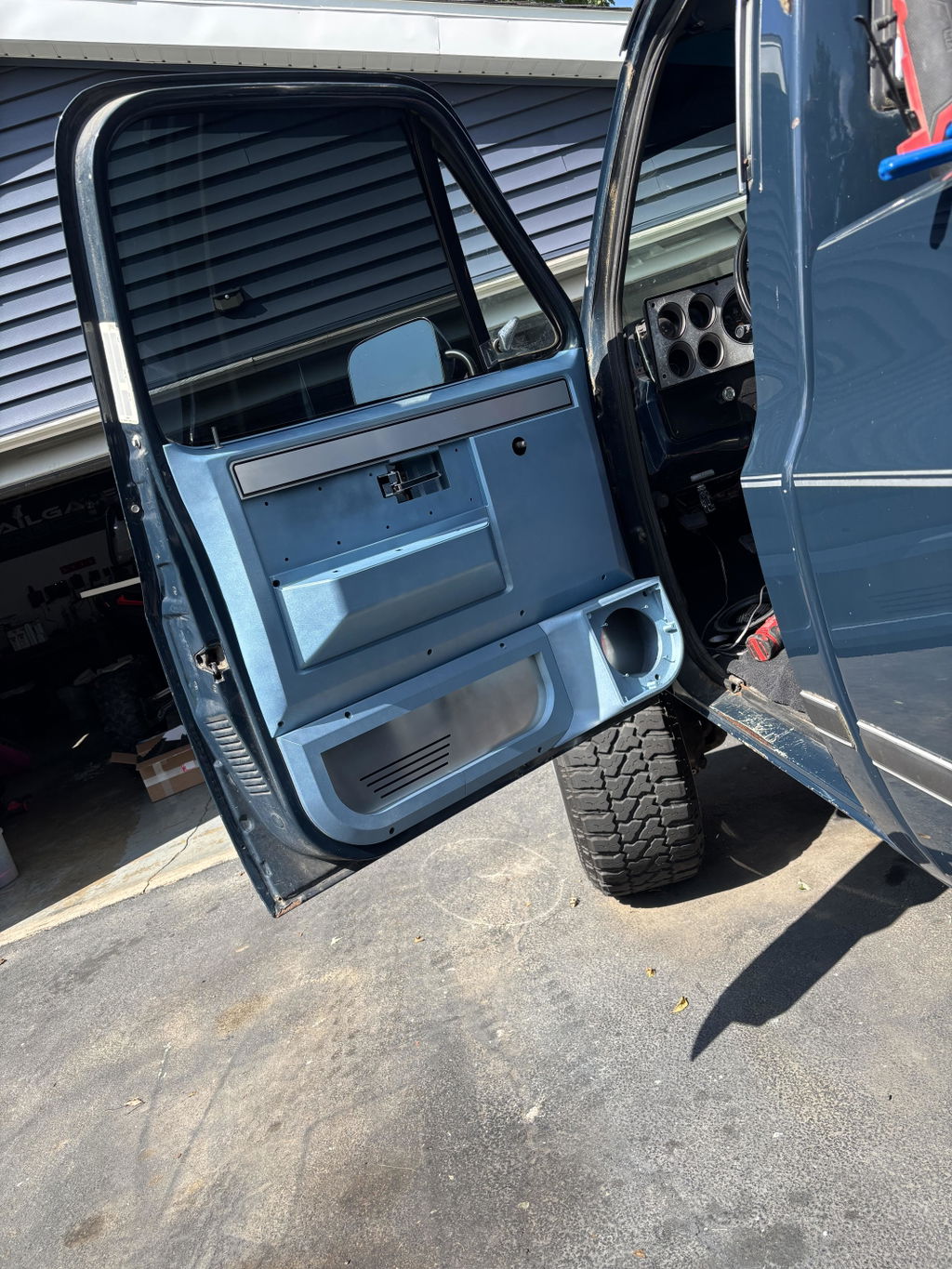
K5 Subwoofer Fitment Without Cutting Up Your Blazer
Share
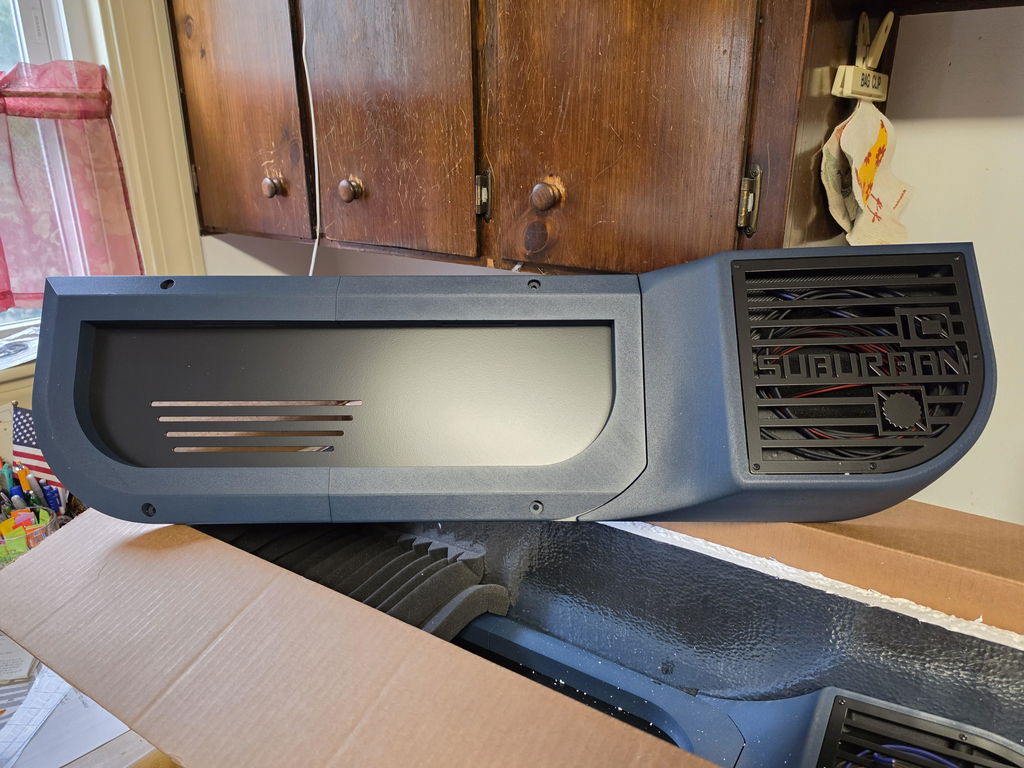
A K5 has plenty of cargo room until you put a sub box in it. Then you find out fast that K5 subwoofer fitment is not just about whether an enclosure physically clears the tailgate. You still need room for the rear seat, access to the removable top hardware, your recovery gear, groceries, tools, or whatever else actually rides in the back of your Blazer.
The right setup depends on how you use the truck. A fair-weather cruiser can get away with a bigger enclosure than a trail rig or a K5 that hauls people regularly. The goal is not to cram the biggest box possible behind the seat. It is to build a system that sounds good, stays secure, and does not make the truck less useful every time you need to load something.
Start K5 Subwoofer Fitment With How You Use the Truck
Before picking a subwoofer or enclosure, take an honest look at the job your K5 does. If the rear seat stays folded or rarely sees passengers, you have more freedom. A full-width enclosure behind the rear seat may make sense. If you carry family, friends, dogs, camping gear, or trail equipment, a low-profile or removable setup is usually the better call.
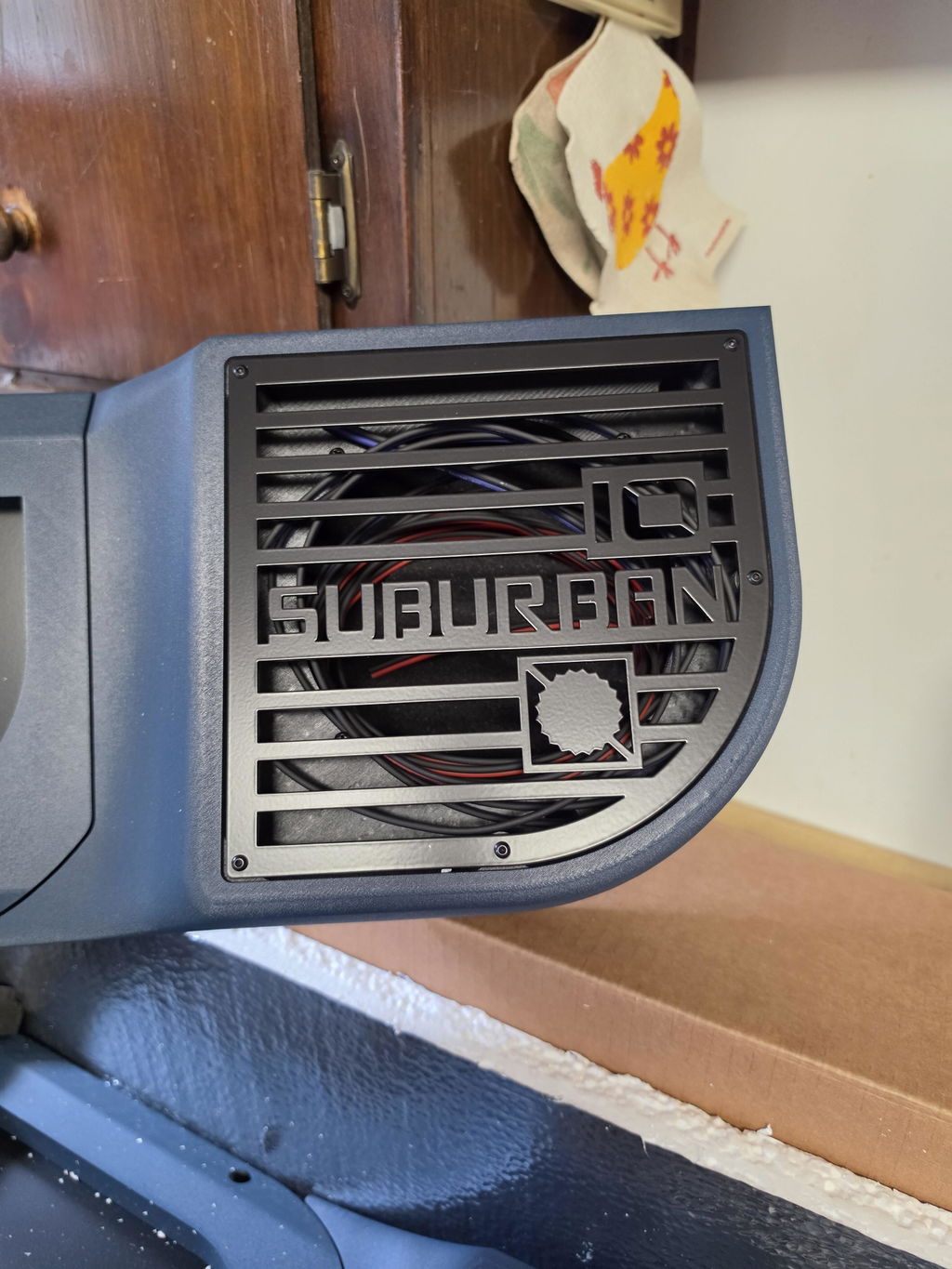
There is no one box size that works for every K5 Blazer. Subwoofer size, enclosure style, power level, and your listening habits all matter. A pair of moderate-sized subs in a properly designed sealed enclosure can sound clean and fill a K5 cabin without consuming the whole cargo area. A larger ported enclosure can make more output, but it usually takes more room and demands more care in box design.
Do not buy a sub because the number on the cone sounds impressive. Match the subwoofer to the enclosure volume it needs, then make sure that enclosure fits the truck without blocking something you care about.
Measure the K5, Not a Listing Photo
Squarebodies are old enough that a lot has changed over the years. Rear seats get swapped, carpet gets added, interior panels are missing or replaced, and previous owners often leave behind wiring, brackets, and surprises. Measure your own Blazer before ordering or building anything.
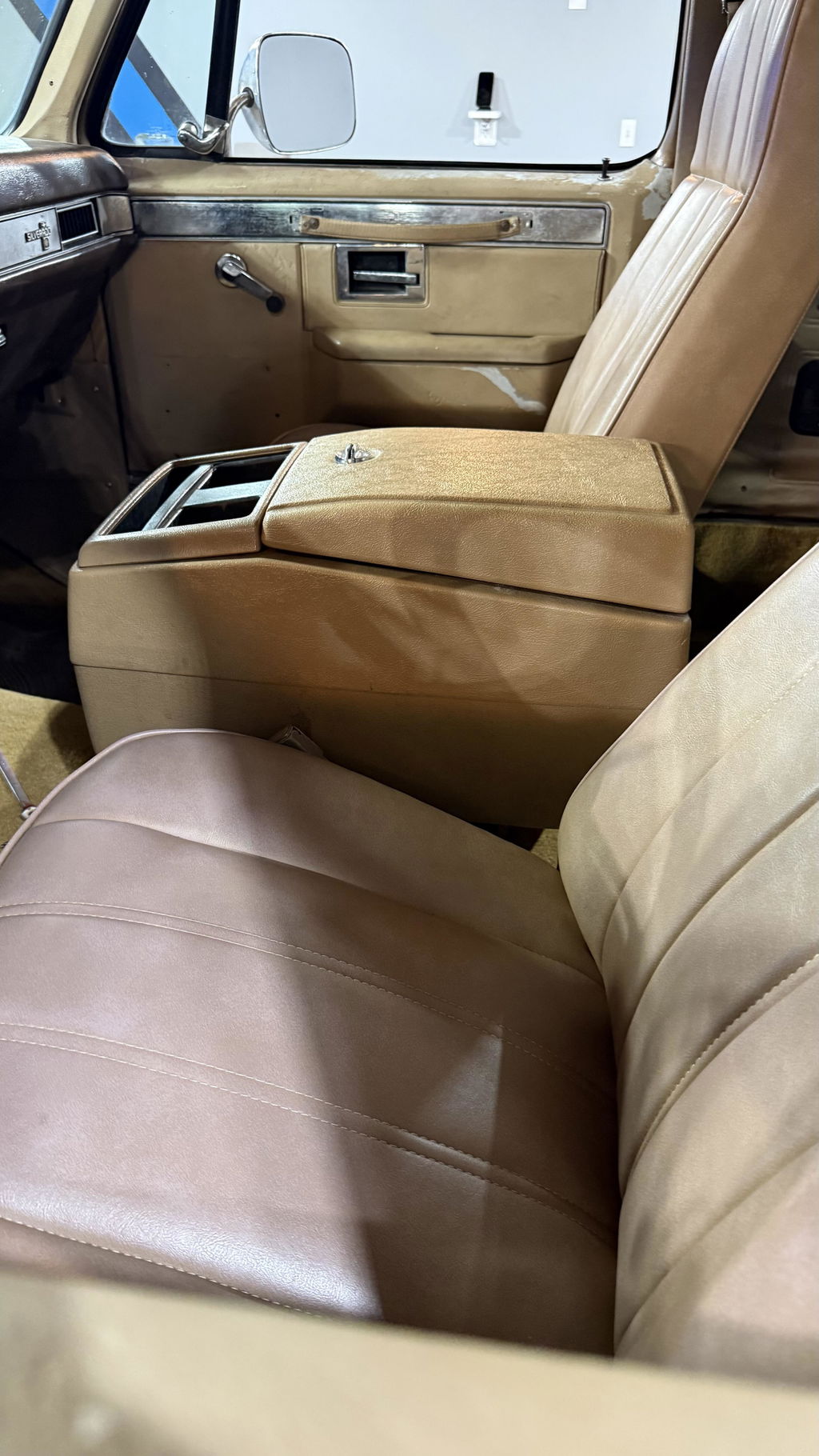
Start at the narrowest point where the enclosure will live. Check width between the wheel tubs, depth from the rear seat to the tailgate, and height below the window line if you want to keep the rearward view reasonably open. Measure with the rear seat in its normal position, not folded forward. If the seat reclines or moves, account for its full travel.
Also check the tailgate opening. A box can fit inside the cargo area on paper and still be a pain to get through the opening once it is built. This matters even more with a heavy MDF enclosure, which can be awkward to maneuver by yourself.
A cardboard mock-up is worth the half hour it takes. Tape together a simple box at the enclosure's outside dimensions, set it in the truck, fold the seat, shut the tailgate, and look at what you lost. That cheap test can save you from building a box that technically fits but irritates you every time you use the K5.
Keep the rear seat usable when it matters
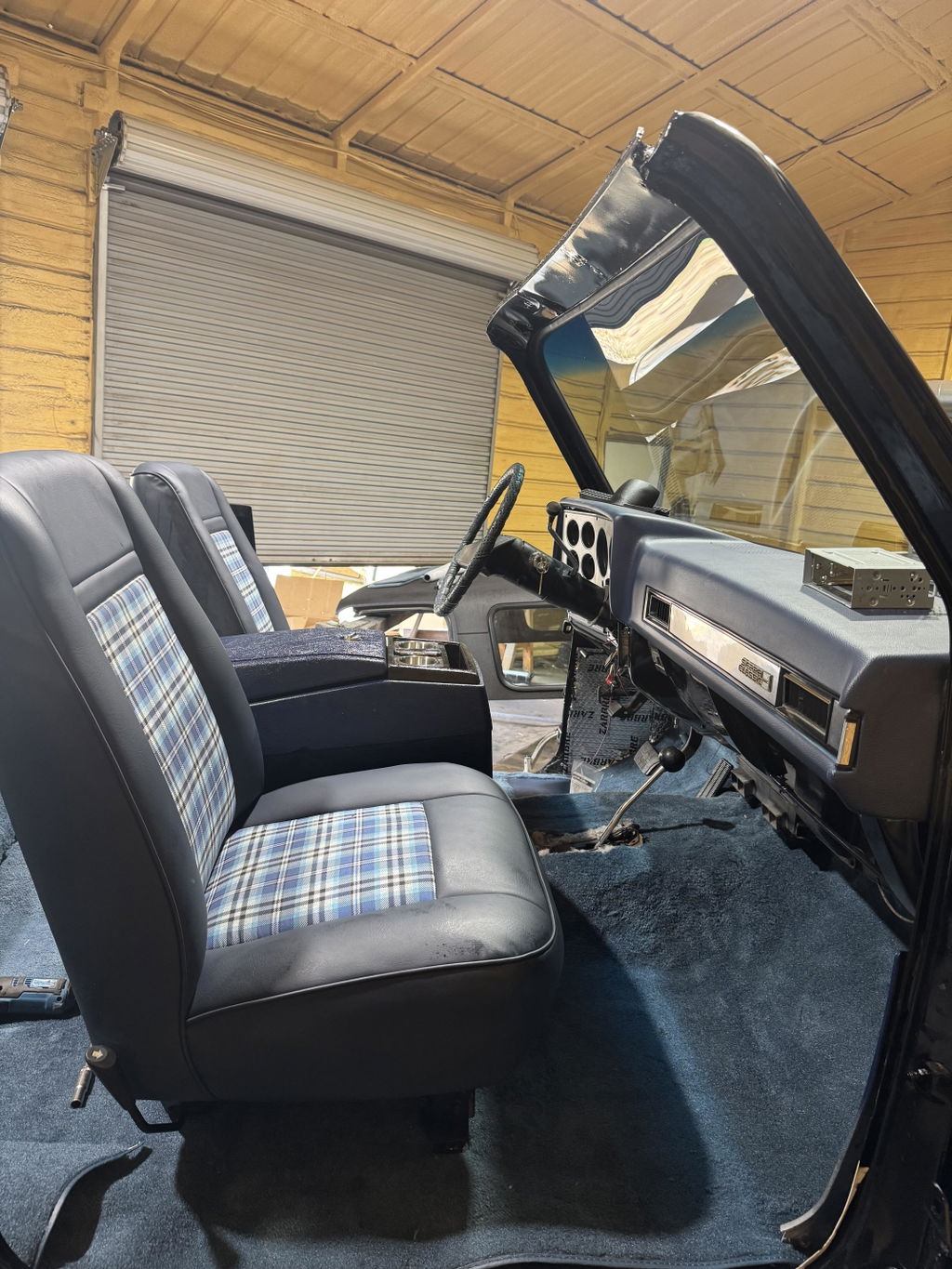
A rear-seat-back enclosure is a common choice because it puts the weight close to the center of the truck and keeps the sub box out of the way of the front seating area. It can work well, but do not build it so deep that rear passengers lose legroom or so tall that it makes the cab feel like a wall is behind them.
If rear passengers are part of the plan, a shallow enclosure tucked low behind the seat is often a better compromise. You give up some enclosure volume, so subwoofer selection becomes more important. Use a sub designed to work in the volume you can realistically provide. Forcing the wrong woofer into too-small airspace is a common way to end up with expensive equipment that does not perform like it should.
Plan around the removable top
The K5's removable top is one of the reasons people own these trucks. Do not let an audio build make it a hassle. A tall rear enclosure can limit access when you are working around the back of the cab. Loose wiring and exposed amp connections can also take a beating when the top is off and the truck is used like a Blazer should be used.
If you run top-off often, protect the equipment. Mount amplifiers where they are less exposed, use properly secured wiring, and think about weather before putting electronics in a wide-open cargo area. A clean install should still make sense when the weather turns or the trail gets dusty.
Sealed, Ported, or a Removable Enclosure?
For most K5 owners, sealed and ported are the real choices. A sealed box is generally smaller, easier to place, and a good fit for someone who wants clean bass without giving away all the cargo space. It is also simpler to build into a low enclosure behind the rear seat.
A ported box takes more room, but it can deliver stronger output when it is designed correctly for the subwoofer and tuning goal. That can be a great choice for a show build or a truck where loud bass is the priority. The trade-off is simple: the box gets bigger, and fitment gets tighter.
A removable enclosure is worth considering if your K5 does more than one job. Build it so it can be disconnected and lifted out when you need maximum cargo room. Just do not confuse removable with unsecured. The box still needs a solid mounting plan when it is in the truck.
Avoid relying on cargo straps, loose brackets, or the weight of the enclosure to keep it in place. A sub box becomes a serious projectile in a hard stop or off-road situation. Secure the enclosure to a solid mounting point and protect the truck's interior while doing it. The cleanest approach depends on the truck and the enclosure, but the rule stays the same: it cannot move.
Give the Amplifier and Wiring the Same Attention
Subwoofer fitment is only half the install. The amplifier needs a protected mounting location, proper ventilation, and a wiring route that does not get pinched by seats, trim, or tailgate hardware. In a K5, that means planning the system as a whole before the first hole is drilled.
Run power wire with circuit protection located close to the battery. Use the right wire size for the amplifier and the length of the run, and secure it along the route. Keep signal wiring away from main power wiring where practical to reduce the chance of noise. Ground the amplifier to clean, bare metal using a short, solid connection.
Do not bury an amplifier where it cannot shed heat. Under a seat or behind an interior panel can work in the right setup, but only if there is adequate clearance and airflow. An amp that runs hot or gets soaked when the top is off will not stay happy for long.
Old Squarebody electrical systems deserve a close look, too. A basic system may run fine on a healthy stock charging system. Bigger amplifier power demands may call for attention to battery condition, charging output, cable condition, and grounds. Do not chase an audio problem with bigger equipment when the real problem is tired wiring or poor voltage.
Build for Service, Not Just the First Install
The best K5 subwoofer fitment leaves room to work later. You should be able to check fuses, reach amp controls, remove the box if needed, and service the rear seat or interior without tearing the whole system apart.
That is where a simple, well-thought-out install beats a fancy setup that traps every connection behind a panel. Label wires. Leave enough service loop to move a component without stretching the harness. Use grommets anywhere wire passes through metal. These are small details, but they are what keep an install clean and dependable years down the road.
If you are building a daily driver, start with the cargo space you are willing to give up, not the biggest subwoofer you can buy. A K5 sounds best when the system fits the truck and the truck still fits your life.