Can You Off Road a Squarebody? Yes, With Prep
Share
A clean Squarebody on a rocky trail gets attention for a reason. These trucks have simple drivetrains, tough frames, solid-axle 4WD options, and enough room to build them around how you actually use them. But can you off road a squarebody without beating it to death or getting stuck all afternoon? Absolutely - as long as you start with the right truck, fix the basics, and build for the terrain instead of building for a parking lot.
A 1973-1991 Chevy or GMC Squarebody is not a lightweight modern side-by-side. It is wide, heavy, and often long. That does not make it a bad trail truck. It means you need to be honest about where it shines and where another rig may be the better tool.
Can You Off Road a Squarebody in Stock Form?
A stock K10, K20, K5 Blazer, Jimmy, or Suburban can handle dirt roads, forest roads, two-tracks, mild mud, and moderate trails in decent shape. Four-wheel drive, a low-range transfer case, good tires, and a driver who knows when to back out go a long way.
The limitations show up when the trail gets tight, steep, deeply rutted, or covered in big rocks. Stock ride height leaves the transfer case, crossmembers, and fuel tank closer to trouble. Factory bumpers may not give you a useful recovery point. Old suspension bushings, tired shocks, and worn steering parts can turn a simple trail into a long day.
A C10 or other 2WD Squarebody can still be used off pavement. A long dirt road, a ranch road, or a dry camping trail is fair game if you use common sense. Just do not confuse that with four-wheeling. Without a transfer case and a driven front axle, steep loose climbs, deep mud, snow, and off-camber ruts can end the trip fast. A 2WD build is usually better treated as a mild adventure truck than a dedicated trail rig.
Start With the Right Squarebody Platform
For regular off-road use, a factory 4WD truck is the smart starting point. K-series pickups were the 4WD models through 1986, while 1987-1991 pickups used the R/V naming system. Blazers, Jimmys, and Suburbans give you the same basic Squarebody character with different trade-offs.
A regular-cab, short-bed K10 is easier to place on a tight trail than a long-bed pickup or Suburban. Less wheelbase helps breakover angle and keeps the truck from dragging its belly over crests. A K5 Blazer or GMC Jimmy is also a natural choice because it is shorter than a pickup and carries less body behind the rear axle.
That does not mean a long-bed K20 or Suburban cannot wheel. They can be very capable on open trails, desert roads, snow routes, and hunting-country terrain. The longer wheelbase rides well and the heavier-duty running gear found under many three-quarter-ton trucks can be a plus. You just need room to turn and a plan for high-centering.
Before spending money on lift parts, inspect the foundation. Check the frame carefully, especially around spring hangers, steering box mounting areas, body mounts, and crossmembers. Rust, cracked mounts, and a loose steering box will not improve with bigger tires. They will get worse.
Build the Squarebody Around the Trail You Run
The right setup depends on whether your idea of off-road is gravel access roads or slow rock crawling. There is no single tire size or lift height that makes every Squarebody better.
For mild trails, a quality all-terrain tire, fresh shocks, working four-wheel drive, and a little more clearance may be all you need. A modest lift and properly sized tires can keep the truck practical on the street while improving approach and departure angles. This is a good place to stop for a lot of trucks.
For rougher trails, traction, clearance, steering control, and gearing all matter more. Taller tires help the axles and frame clear obstacles, but they also change the effective gear ratio. Put oversized tires on stock highway-friendly gears and the truck can feel lazy, work harder on climbs, and hunt between gears if it has an automatic.
Lift height also has consequences. The taller you go, the more attention you need to give steering angles, driveshaft angles, brake hose length, spring travel, and axle wrap. A truck that sits high but binds the front driveshaft or wanders across the road is not finished. Good off-road builds are balanced, not just tall.
Tires Are the First Real Upgrade
Tires are where the truck meets the trail. A good all-terrain tire is a solid choice for a Squarebody that sees highway miles, dirt roads, and occasional trails. A mud-terrain gives more bite in deep mud and loose conditions but usually brings more road noise and can wear differently depending on how the truck is driven.
Do not choose tires strictly by the biggest size you can stuff under the fenders. Check full steering lock, suspension compression, wheel backspacing, and clearance around the front springs and rear wheel openings. Tire rub can cut a sidewall, damage a fender, or make the truck miserable to drive.
Air pressure matters too. Running a little less pressure off pavement can improve ride and traction, but going too low without the right wheel and terrain can unseat a bead. Carry a way to air back up before heading home.
Lockers Help, But They Do Not Replace Judgment
A limited-slip differential or locker can make a major difference when one tire unloads. That said, a locker does not fix bad line choice, poor tires, or a truck that is simply too long for an obstacle.
A rear traction aid is often the most useful first step. A front locker can add serious climbing ability, but it can also change how the truck steers when engaged. Know how your setup behaves before pointing it at a hard obstacle. Spend time learning the truck on easy trails, not on the trail where a mistake means a broken axle shaft or body damage.
Do Not Ignore Brakes, Steering, and Cooling
Squarebodies are old trucks now. Even a nice-looking rig may be carrying 40-year-old rubber, wiring repairs from three owners ago, and steering parts that have seen better days. Off-road driving puts extra load on every one of those weak spots.
Make sure the brakes are firm and predictable before adding weight or tire size. Inspect the steering linkage, front-end components, wheel bearings, U-joints, leaf-spring bushings, and shocks. Check that the four-wheel-drive system actually engages and disengages correctly before you need it. If the truck has manual locking hubs, verify both hubs work and understand when to lock them.
Cooling deserves attention, especially on slow trails in warm weather. A Squarebody can spend a lot of time at low speed with little airflow through the radiator. A healthy cooling system, proper fan setup, and clean radiator are cheap insurance compared with turning a good trail day into an overheated mess.
Protect What Gets Hit First
You do not need to armor every inch of a mild-use truck. You do need to identify the parts most likely to meet a rock, stump, or rut. Transfer case protection, vulnerable fuel tank areas, low-hanging exhaust, and exposed steering components are worth looking at based on your truck and the trails you run.
Recovery points are not optional once you leave maintained roads. Use properly mounted front and rear recovery points tied into something substantial. A trailer ball is not a recovery point. Neither is a random hole in a thin bumper bracket. Recovery gear stores a lot of force, and using the wrong attachment can hurt somebody.
Bring a basic trail kit: a rated recovery strap, soft shackles or proper hardware, a shovel, a fire extinguisher, basic hand tools, spare fluids, a tire repair kit, and an air source. Add a jack that can actually lift your truck with its off-road tires installed. The factory bumper jack is not the answer on uneven ground.
Keep the Cab Useful, Too
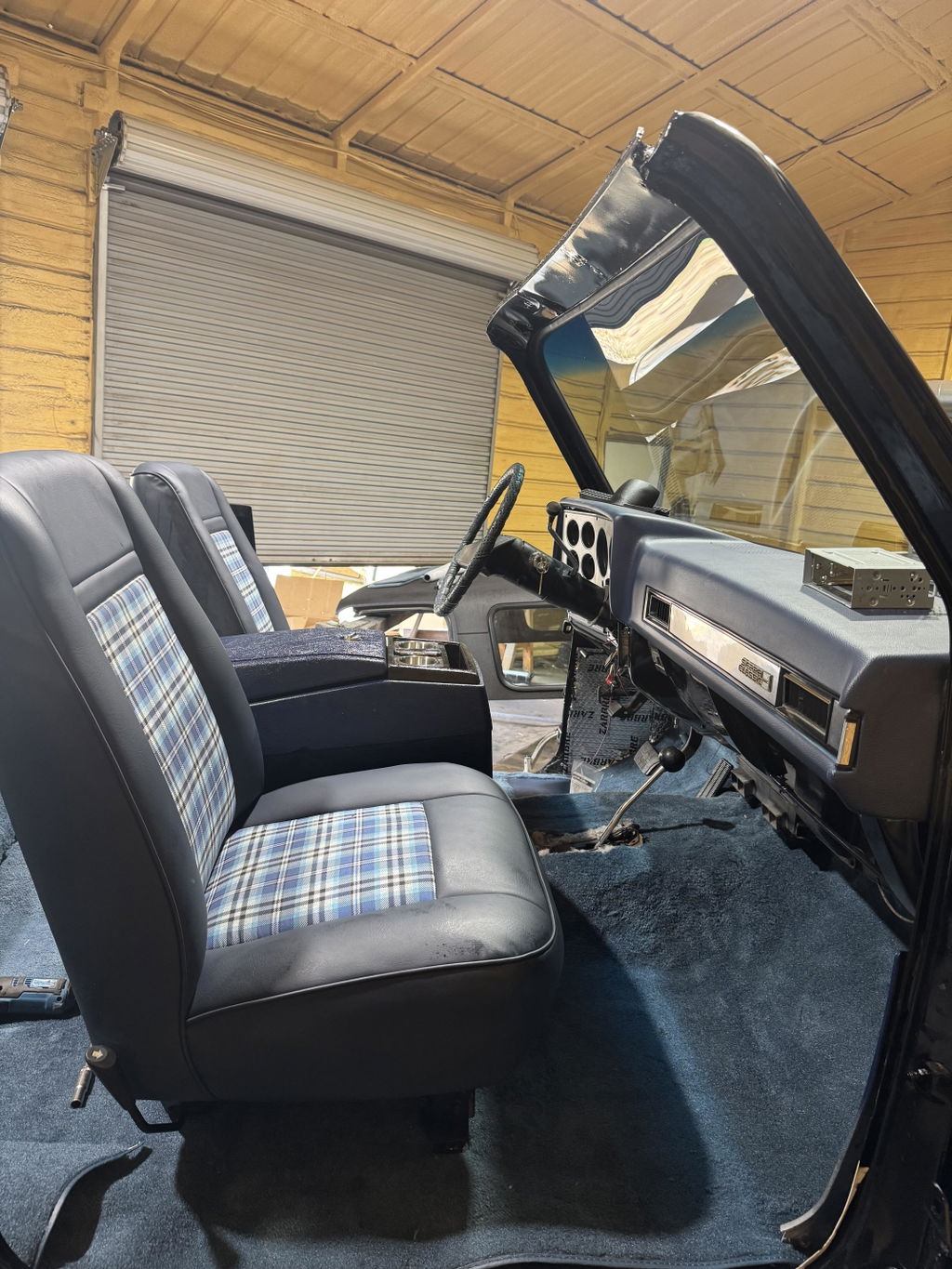
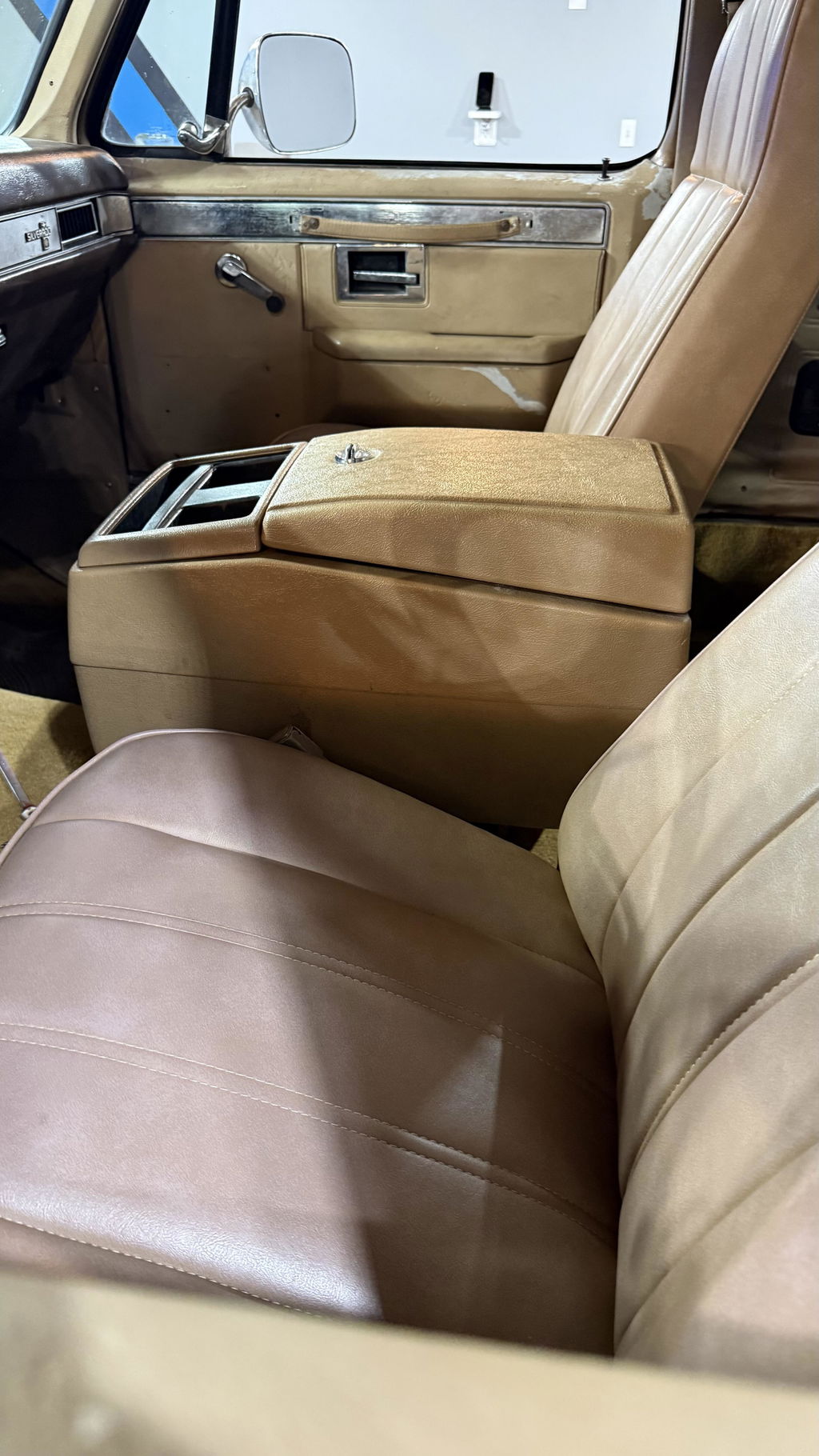
Off-road trucks spend plenty of time on the road getting to the trail. That is one reason Squarebodies make such good all-around rigs. You can build a capable truck without making the cab miserable.
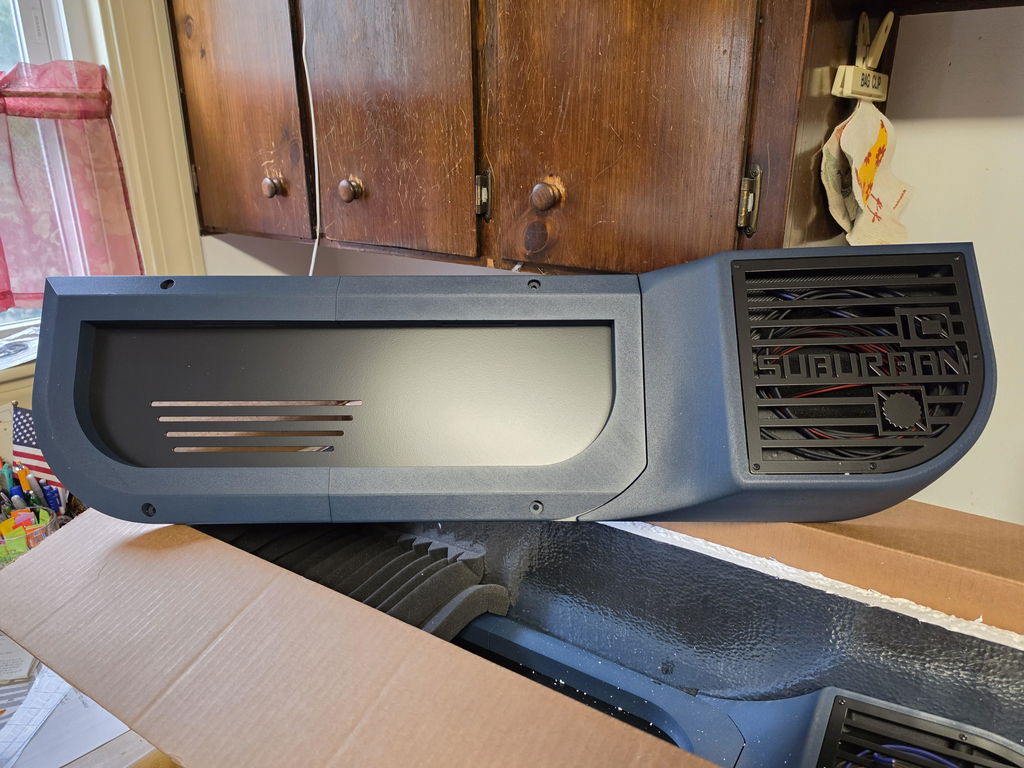
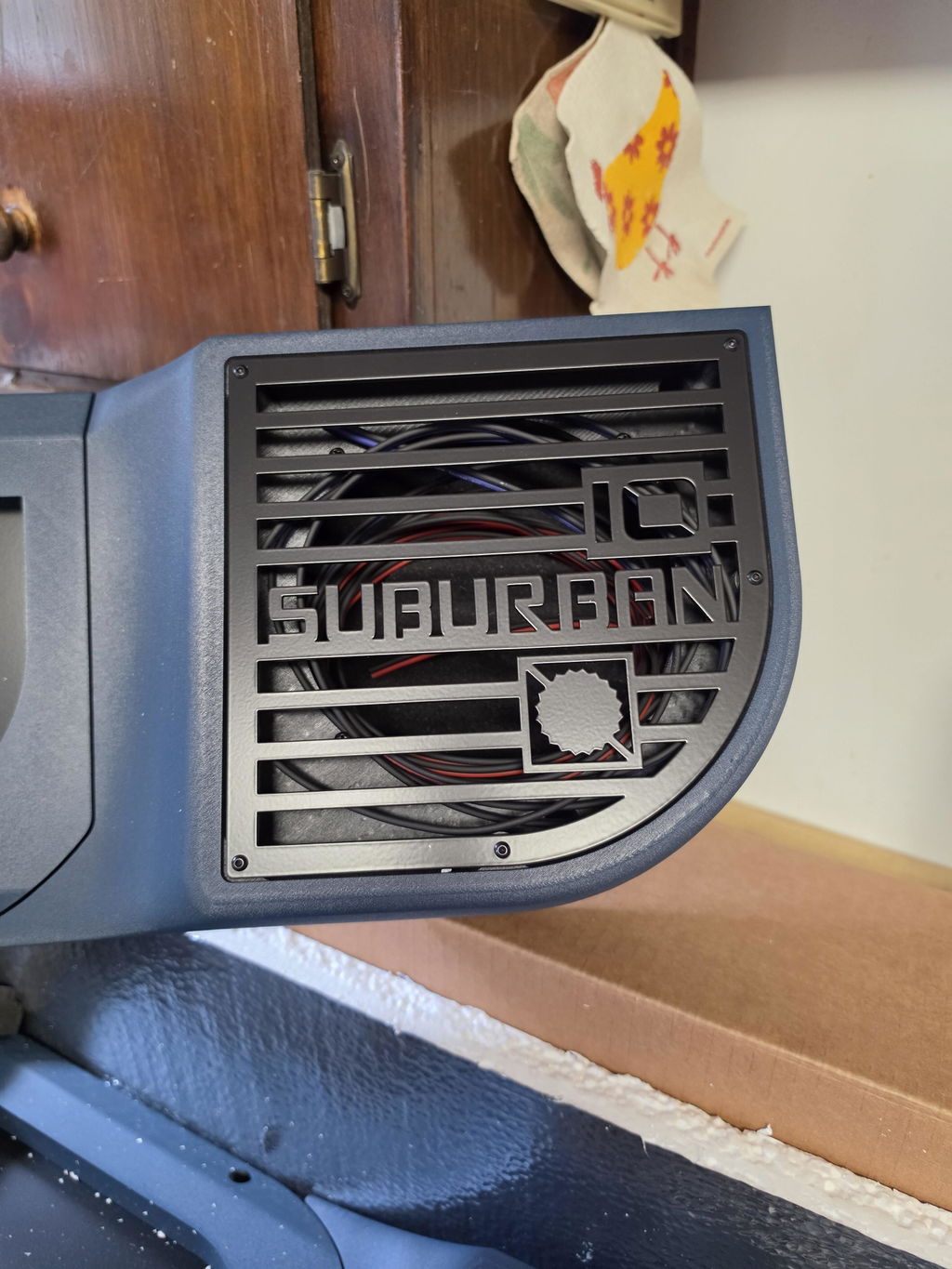
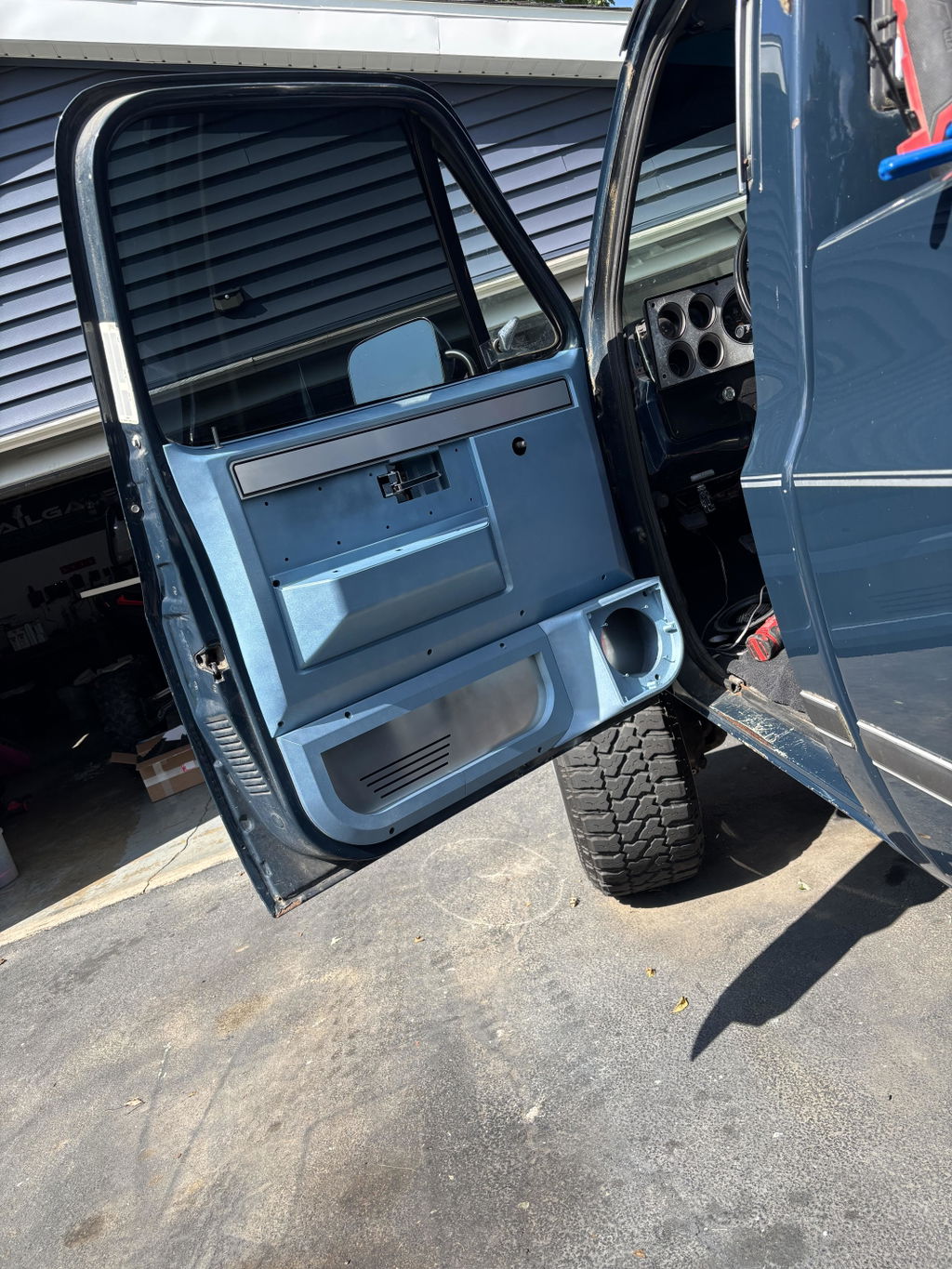
Secure loose gear before heading out. A heavy toolbox, amplifier, cooler, or recovery bag can become a problem when the truck leans hard or hits a washout. If you are upgrading audio, mount equipment correctly and protect wiring from sharp metal, heat, and water. A well-built Squarebody interior should still work after a rough road, not rattle itself apart.
At Blazin' Biddles Off-Road, we build parts around that kind of real use. The same rule applies to any upgrade: if it makes the truck harder to use, harder to repair, or less reliable on the trail, it is probably not the right part for your build.
Drive It Like a Full-Size Classic Truck
The best upgrade for off-roading a Squarebody is the driver. These trucks reward smooth throttle, careful tire placement, and patience. Use low range before you are already buried. Walk a questionable section first. Keep momentum under control instead of charging obstacles, especially with an older truck where replacement parts may not be sitting on a shelf nearby.
Pay attention to the truck's width and rear overhang. Watch the differential housings, not just the tires. On steep descents, let low range and engine braking do their job rather than riding the brakes all the way down. If the trail is beyond the truck's current setup, turning around is not losing. It is how you drive it home for the next trip.
A Squarebody does not need to be a trailer-only rock crawler to be a real off-road truck. Build it honestly, maintain it well, and choose trails that fit its size and purpose. Then get it dirty - that is what these trucks have always been good at.