Are Squarebody Trucks Good Offroad? Real Answer
Share
A clean Squarebody on 35s looks right, but looks do not get you through a washed-out climb or back home after a long trail day. So, are squarebody trucks good offroad? A properly sorted K-series truck, K5 Blazer, GMC Jimmy, or 4WD Suburban can be a very capable trail rig. They have solid axles, simple leaf-spring suspension, low-range transfer cases, a wide parts base, and a chassis that responds well to sensible upgrades.
The honest answer is that they are good off-road platforms, not magic off-road trucks. A stock, tired 40-year-old K10 with worn steering, open differentials, bald all-terrains, and rusty spring bushings will have a hard time. Build the basics first, keep the setup matched to the terrain you actually run, and a Squarebody will surprise a lot of newer rigs.
Why Squarebody Trucks Work Off Road
The biggest advantage is simple: most factory 4WD Squarebodies already start with the stuff people spend serious time and money adding to other trucks. K-series pickups and their later V-series counterparts use solid front and rear axles on leaf springs. That setup is basic, tough, easy to understand, and easy to work on in the driveway.
A solid front axle keeps both front tires working through uneven terrain better than an independent setup with limited travel. Leaf springs are not known for a buttery ride, but they carry weight well, take abuse, and can be improved without reinventing the whole truck. You can replace tired springs and bushings, correct the ride height, add appropriate shocks, and get a big improvement without chasing a complicated suspension design.
Low range is another big deal. Depending on year and original configuration, these trucks came with transfer cases such as the NP203, NP205, or NP208. Each has its own strengths and quirks, but the point is the same: a real low range lets the truck crawl instead of relying on momentum. That is easier on the drivetrain and gives the driver more control on loose climbs, rocks, and steep descents.
The aftermarket and used-parts support also matter. Squarebody axle, steering, brake, suspension, and armor solutions are well understood because these trucks have been wheeled for decades. You are not trying to invent a trail rig from scratch. Still, fitment matters. A part that technically bolts to a GM truck may not clear your springs, steering, wheel backspacing, or body lift the way it should.
Are Squarebody Trucks Good Offroad in Stock Form?
They can handle forest roads, hunting roads, desert two-tracks, mud, snow, and moderate trails in stock form if the truck is maintained. A stock K10 or K5 on good tires with working four-wheel drive is a lot more useful than people give it credit for.
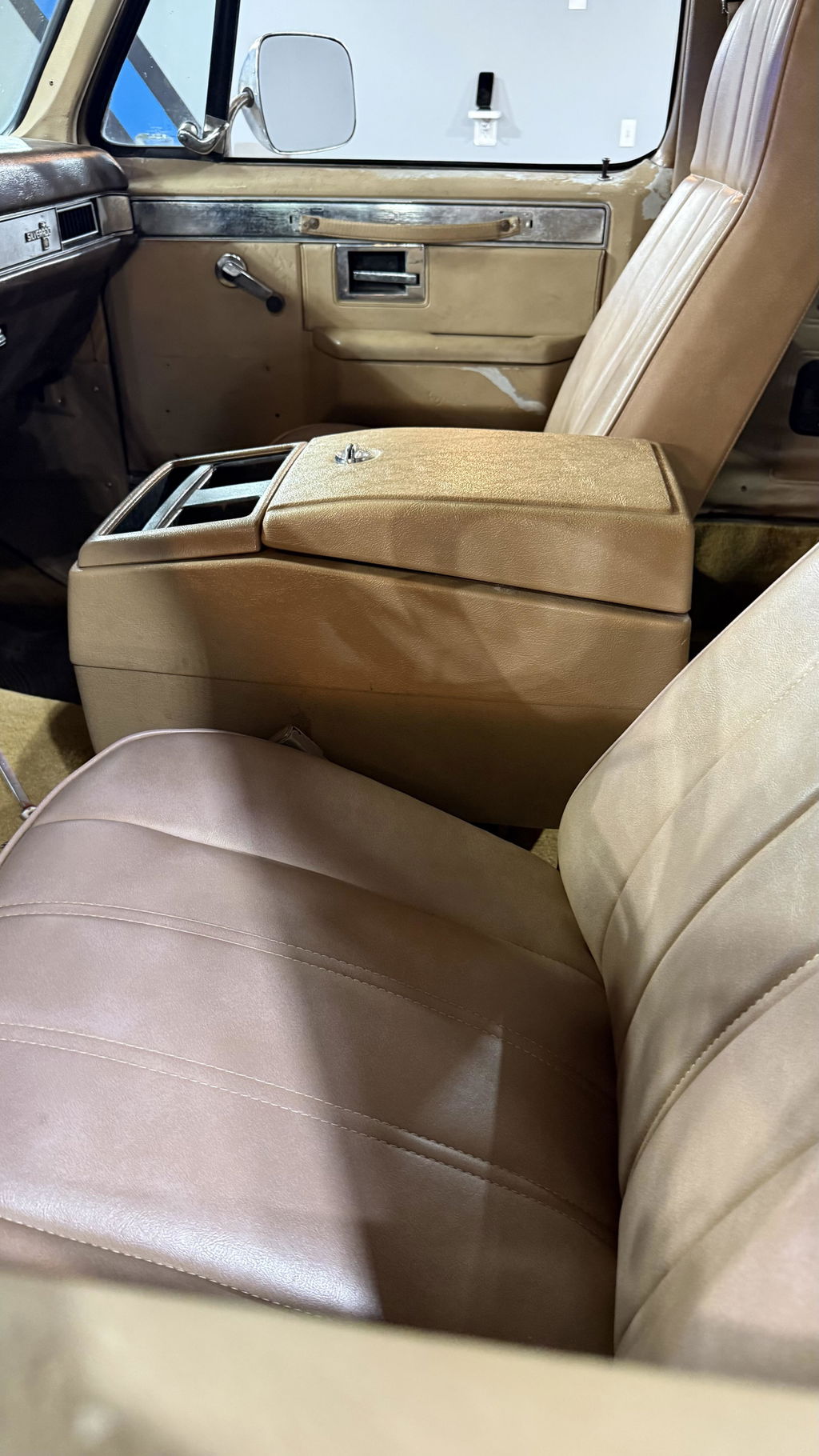
But stock ride height and old-school body dimensions set limits. Long-bed pickups have a long wheelbase and a long rear overhang. They can drag the rear bumper or bed corners in gullies and on sharp ledges. A short-bed K10 is easier to place on tight trails, while a K5 Blazer or Jimmy has a shorter rear overhang and usually makes a better trail body than a pickup. A Suburban gives you room for people and gear, but it is a big vehicle. It needs wider trails and more room to turn.
Ground clearance is the other issue. Factory spring-under or low-lift setups leave the differential housings, crossmembers, and lower body areas closer to rocks than most serious trail drivers want. Bigger tires help because they raise the axle housings off the ground. A lift by itself raises the body and frame, but it does not move the differentials any farther from the trail.
That is why a mild lift paired with the right tire size usually works better than stacking height into a truck just because tall looks good. Too much lift can hurt steering angles, driveline angles, stability, and ride quality. It can also make a truck harder to get in and out of, which matters if you actually use it beyond trailhead photos.
The Weak Spots to Address First
Before adding lockers, lights, or a tall suspension, get the truck safe and dependable. Age is usually the real enemy with these rigs. Rubber dries out, wiring gets hacked up, steering components wear, and previous owners do things that make no sense until you are halfway through a repair.
Start by checking the frame, spring hangers, body mounts, brake lines, fuel lines, and floor structure for rust or damage. A tough axle does not mean much if the structure holding the truck together is compromised. Look closely at the steering box area and the frame around it as well. Slop in the steering wheel can come from several places, not just the gearbox.
Then inspect the suspension. Worn leaf-spring bushings, flattened springs, loose U-bolts, weak shocks, and tired shackles make a truck wander on the road and behave worse off it. Replace worn parts with parts that fit the truck correctly. Avoid the habit of piling on add-a-leafs, blocks, and random used parts until the ride height looks right. That usually creates a truck that rides rough, steers poorly, and eats driveline parts.
Cooling and brakes deserve the same attention. Slow trail speeds put a load on an older cooling system, especially in hot weather. Make sure the radiator, fan, shroud, hoses, and thermostat are doing their job. For brakes, inspect the full system instead of assuming the pedal feel tells the whole story. A loaded Squarebody going downhill needs predictable brakes.
Finally, know what axles and gearing are actually under your truck before planning tire size or a locker. Half-ton trucks can have different front and rear axle combinations depending on year and configuration. Three-quarter-ton K20s bring more axle and payload capability, but they are also heavier and may not be the best answer for every tight trail. Verify what you have before ordering parts.
Build the Truck for Your Kind of Wheeling
A good off-road Squarebody does not need every catalog part. It needs the right combination of tires, gearing, traction, clearance, and reliability.
For mixed use - dirt roads, camping, snow, and moderate trails - a modest lift, quality all-terrain or mud-terrain tires, fresh steering and suspension parts, recovery points, and underbody protection go a long way. Keep it low enough to drive comfortably on the highway. A truck that tracks straight and stops well gets used more often.
For slower technical trails, traction becomes more important. Locking differentials can make a massive difference, but they also change how the truck behaves. A rear locker is often the first choice for a trail-focused build. A front locker adds climbing ability, though it can make steering more difficult when engaged. Match the gear ratio to the tire size and transmission so the engine is not working harder than it needs to.
For mud and loose terrain, tire choice and recovery gear matter more than chasing maximum suspension travel. Carry a properly rated recovery strap or rope, soft shackles or rated hardware where appropriate, a shovel, basic tools, a jack that works at your truck's lifted height, and a real spare. Those are not glamorous upgrades, but they are the ones that save a trip.
Do not overlook weight. Steel bumpers, winches, full-size spares, tools, audio equipment, camping gear, and a loaded bed add up fast. Leaf springs can handle work, but every pound affects braking, handling, and how deeply the truck sinks in soft ground. Build around the way you use it.
The Squarebody Advantage Is Simplicity
There is something valuable about being able to diagnose a problem on the trail without a scan tool and a subscription. These trucks are mechanical enough that an owner who understands the basics can usually trace a fuel, spark, charging, steering, or driveline issue without guessing at a dozen electronic systems.
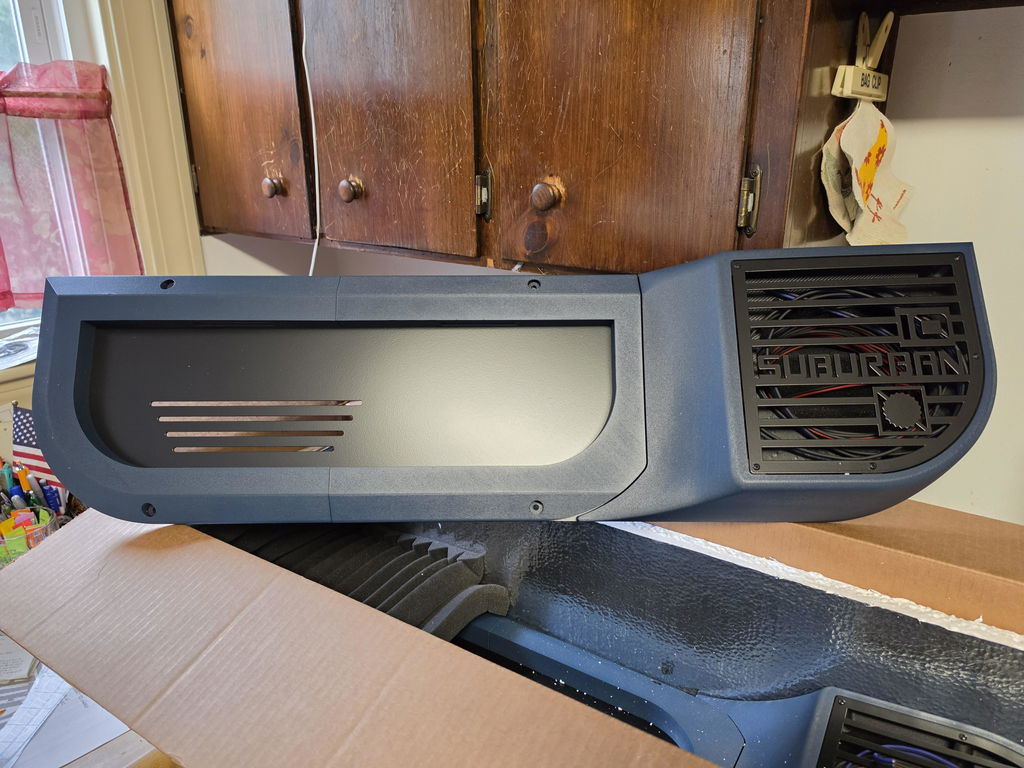
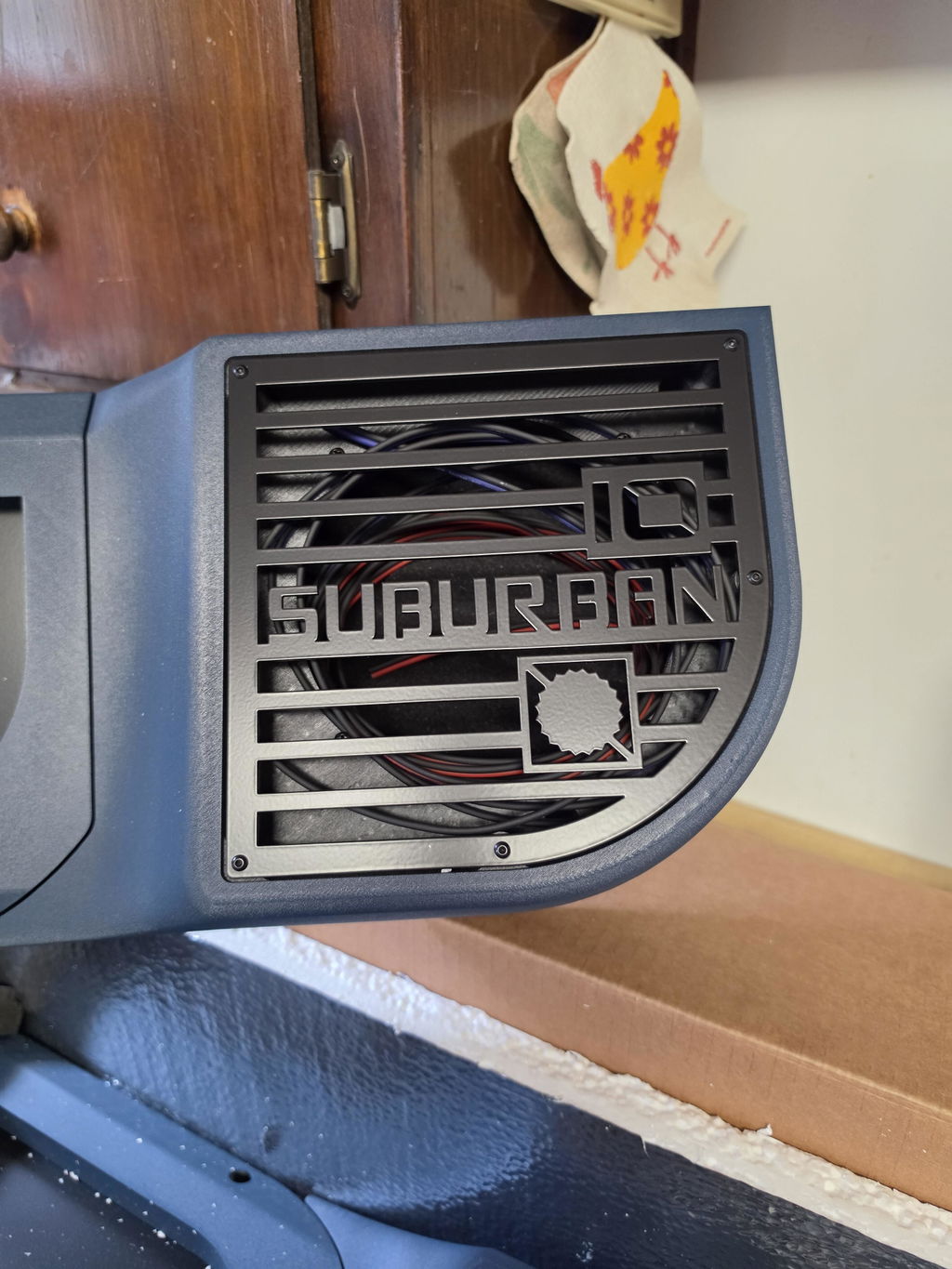
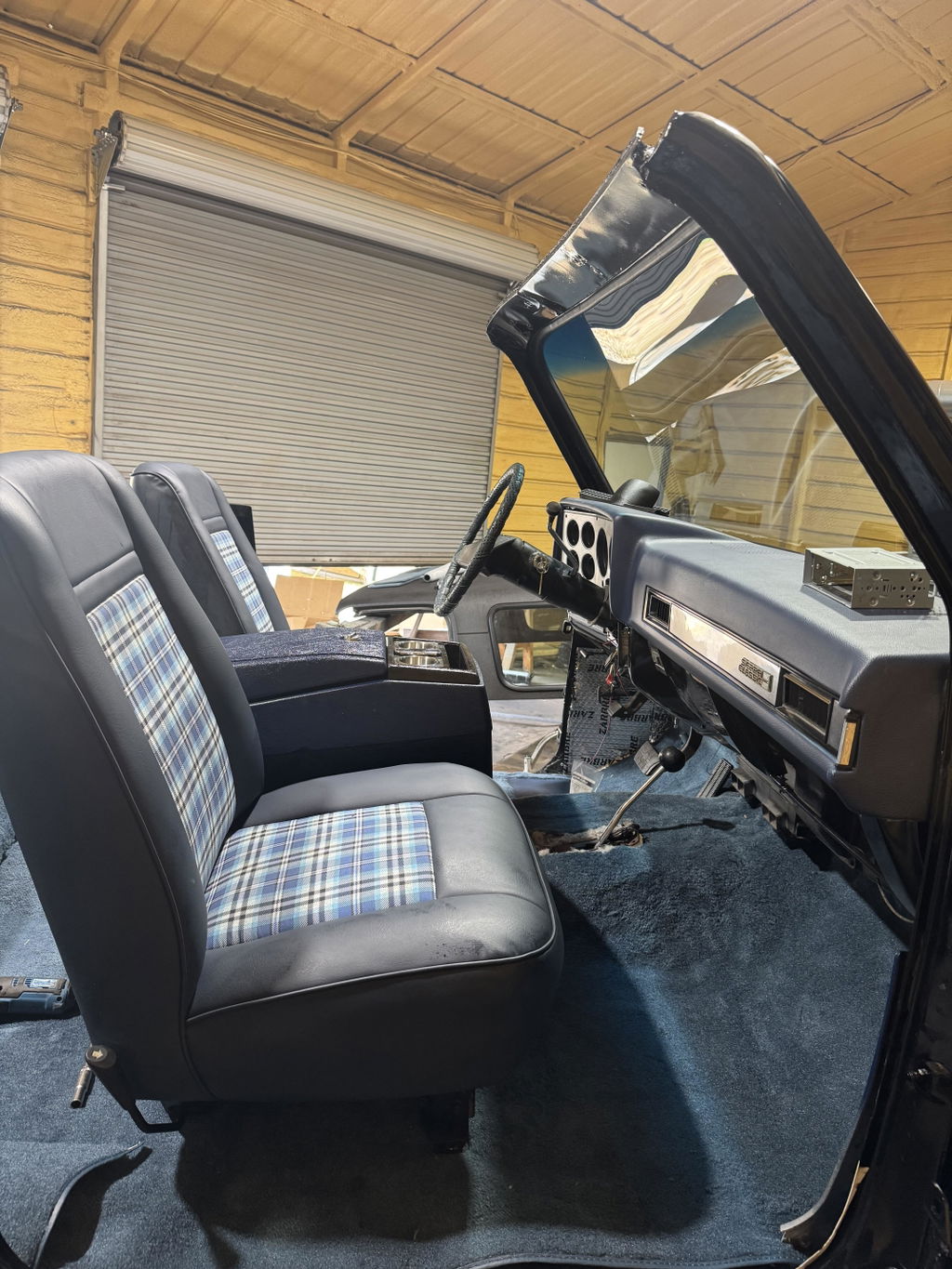
That does not mean they are maintenance-free. It means the work is straightforward when it is done right. Keep the wiring clean, route it away from heat and moving parts, use proper fusing, and do not let old audio or accessory installs become a nest of mystery wires under the dash. At Blazin' Biddles Off-Road, we see firsthand how much better an old truck is to own when upgrades are installed cleanly instead of patched in.
A Squarebody is also a platform you can grow into. Start with maintenance, tires, and recovery basics. Wheel it. Pay attention to what actually holds the truck back. Then spend money on the next real problem, whether that is gearing, traction, clearance, steering, or protection.
The best Squarebody trail rig is not necessarily the tallest K10 or the most heavily modified K5. It is the one with a sound frame, a healthy drivetrain, good tires, sorted steering, and an owner who knows where its limits are. Build it to get out there, use it hard, and bring it home under its own power.